
Livraison le jour même ou le lendemain

Qualité garantie

Débloquez vos offres de bienvenue: Livraison GRATUITE | Jusqu'à -80 % | 30 jours d'essai gratuits à JoyPlus
Téléchargez l'application
Choosing a food storage container seems simple. Yet, we've all experienced the frustration of a lid that warps in the dishwasher, a sauce that leaks into a bag, or a plastic dish permanently stained by lasagna. These minor daily dramas aren't inevitable. They are often the result of marketing traps or well-hidden design flaws.
Before you upgrade your container collection, let's break down the three classic mistakes that turn a practical purchase into a source of frustration and waste.
To avoid falling into these traps, just keep a few key points in mind. They are your guarantee of a durable, safe, and truly practical product for your daily life.
The choice of material is the first decision you need to make. There's no single right answer; it all depends on your intended use.
A truly airtight container relies on two inseparable elements:
A good food storage container should simplify your life. Check its compatibility with your appliances: dishwasher, freezer, and microwave. Note: most plastic lids are not oven-safe. It's also recommended to remove them or leave them unclipped when microwaving.
Finally, opt for ranges where containers can be stacked and nested. This is a major asset for a well-organised kitchen and a significant space-saver.
A one-size-fits-all model doesn't exist. It's better to choose one that fits your habits. Here are a few suggestions for different needs.
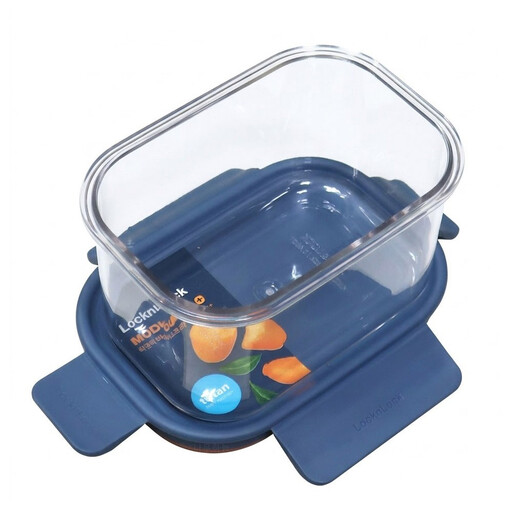
Why we chose it: For those who prepare their meals in advance, lightness, reliability, and easy storage are paramount. This BPA-free plastic model is designed for transport and organisation.
It avoids the false-seal pitfall with its four-clip locking system and hollow silicone gasket. Its modular design puts an end to cupboard chaos.
Lightweight, stackable, and 100% airtight, it's designed for transport and flawless organisation.

Why we chose it: Ideal for storing family meal leftovers, preparing baked dishes, or marinating meats. Its large capacity and heat-resistant glass body make it extremely versatile.
It avoids the wrong-material pitfall thanks to its borosilicate glass dish that goes from the oven to the freezer. Its lid features a steam vent, a clever detail for safe microwave reheating.
Maximum versatility: cook, store, freeze, and reheat in a single dish. Its large 2.3 L capacity is perfect for families.
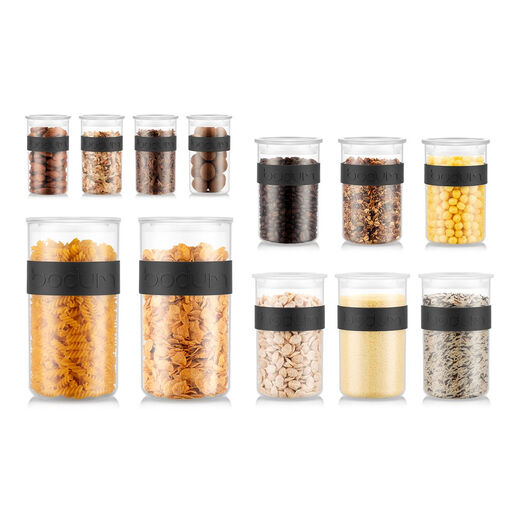
Why we chose it: For those who want a complete and aesthetically pleasing solution for organising their pantry. This set offers visual and functional harmony for storing dry goods (pasta, rice, cereal, etc.).
It directly tackles the chaos pitfall by offering a complete and cohesive set of containers. No more hunting for a matching lid; everything is designed to fit together perfectly.
A 12-piece set in four different sizes for impeccable and unified pantry organisation. Their airtight lids preserve the freshness of dry foods.
Discover our full selection of products that meet our quality standards and current regulations.
A glass container, if not chipped or broken, has a virtually unlimited lifespan. Its inert material does not degrade. A high-quality plastic container can last for several years, but its longevity depends on usage. Repeated trips through the dishwasher or microwave can eventually cause scratches, stains, or warping, and the gasket may lose its effectiveness.
For odours, make a paste with baking soda and a little water. Spread it inside the container, let it sit overnight, and then rinse. For stains (especially from tomato sauce), a clever trick is to place the clean, empty container in direct sunlight for a few hours: the UV rays have a natural bleaching effect.
No, and it's crucial to always check for the microwave-safe symbol. Most often, only the container base is suitable. The plastic lid should be removed, or simply placed on top without being clipped shut. If the lid has a steam vent, it must be opened to allow steam to escape and prevent any risk of over-pressurisation.