
Livraison le jour même ou le lendemain

Qualité garantie

Débloquez vos offres de bienvenue: Livraison GRATUITE | Jusqu'à -80 % | 30 jours d'essai gratuits à JoyPlus
Téléchargez l'application
Finding the right food storage container? It seems simple enough. In reality, it's often a real challenge. Between promises of airtight seals that don't hold up and materials that degrade, a poor choice can quickly turn your kitchen organisation project into a headache. To avoid buyer's remorse, it's best to know the pitfalls to avoid and invest in a solution that will genuinely preserve your food's freshness while optimising your space.
Many storage containers look perfect on the shelf but reveal their flaws after just a few weeks. Here are the three most common disappointments that will make you regret your purchase.
To avoid falling into these traps, focus on a few technical features that make all the difference.
The choice of material directly impacts the use, durability, and safety of your container.
The effectiveness of a set of airtight food containers rests entirely on its lid. The most reliable systems are often those with clips on all four sides, which distribute pressure evenly on a silicone gasket. This gasket is the true guarantor of the seal; make sure it is thick and well-seated in its groove.
For efficient kitchen organisation, opt for square or rectangular shapes. Unlike round containers, they line up perfectly in a refrigerator or cupboard, with no wasted space. Also, check if containers of different sizes are designed to nest (fit inside one another) for ultra-compact storage.
Rather than an endless list, here are models that meet specific needs, all selected according to the quality and practicality criteria we've just covered.
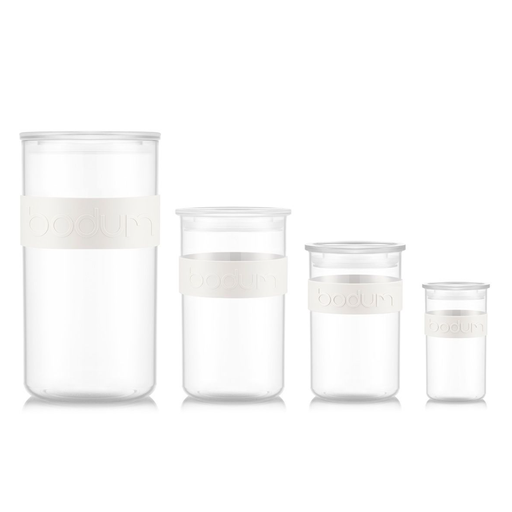
Why we chose it ? Ideal for families looking to standardise their storage. This complete 12-piece set covers every need, from dinner leftovers to dry ingredients, while creating a visually harmonious look in your cupboards.
This set is designed for stable stacking, putting an end to cupboard chaos. The BPA-free plastic and airtight seal check all the boxes for safety and preservation.
An all-in-one solution that guarantees space-saving and coherent organisation thanks to its modular design.
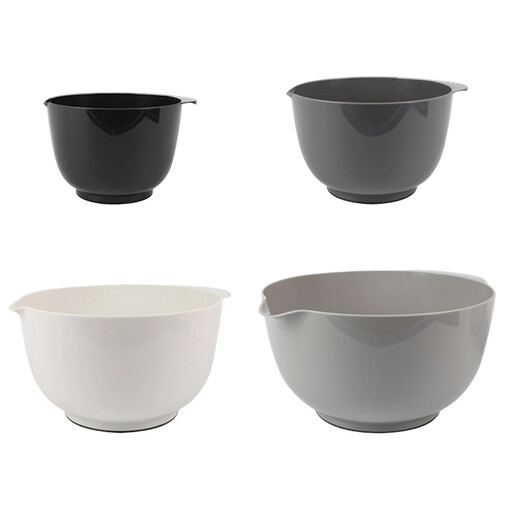
Why we chose it ? Perfect for meal prep and baking fans. This set of mixing bowls with lids lets you mix, prepare, and store in the same container. It simplifies the process and reduces the pile of dishes.
The non-slip base ensures excellent stability during mixing, a detail that makes all the difference. The mixing bowl with lid concept saves you from buying two separate products.
Prep/storage versatility and a nesting design for optimised storage.
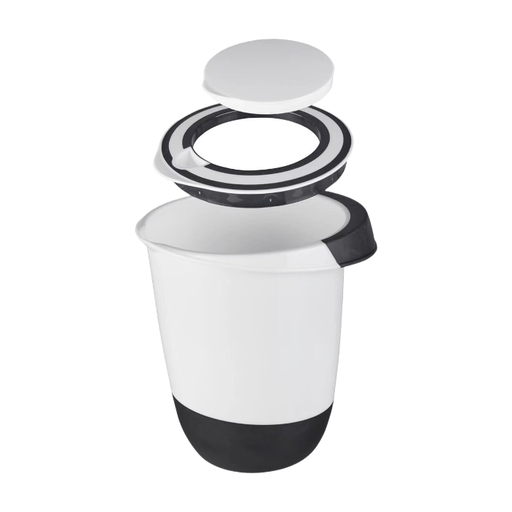
Why we chose it ? A simple and economical solution for specific needs. Perfect for a student, a single person, or to supplement an existing set with a practical mixing bowl.
It includes thoughtful features often missing from entry-level models: a non-slip rubber base and a splash-guard lid that make a world of difference in daily use.
Excellent value for money for versatile use, from mixing dough to storing a salad.
We have compiled a complete and up-to-date list of products that meet our strict selection criteria and current safety standards.
A classic problem! To fix it, wash and dry the container, then expose it directly to sunlight for a few hours; UV rays are very effective at fading stains. Another method is to create a paste with baking soda and a little water, apply it to the stain, and let it sit before rinsing.
Yes, but only if the manufacturer explicitly states it with the corresponding pictogram. It is imperative to always remove the lid or, if designed for it, open its vent. This allows steam to escape and prevents pressure build-up. Never use your microwave's grill function with a plastic container.
Their lifespan depends on the quality of the materials and your care. A well-made set, maintained according to recommendations (e.g., avoiding overly aggressive wash cycles if not advised), can last for several years. Signs of wear to watch for: the appearance of cracks, plastic warping, or a lid gasket that no longer provides a perfect seal, which means it's no longer airtight.