
Livraison le jour même ou le lendemain

Qualité garantie

Débloquez vos offres de bienvenue: Livraison GRATUITE | Jusqu'à -80 % | 30 jours d'essai gratuits à JoyPlus
Téléchargez l'application
Choosing a food storage container seems simple—until a lid warps in the dishwasher or tomato sauce leaves a permanent stain. Faced with an overwhelming selection, it's easy to fall for marketing traps. Beyond manufacturers' promises, a good container must be practical, reliable, and durable above all else.
This guide breaks down the essential points to check before you buy. We'll review the common mistakes to avoid and the criteria that truly make a difference for optimal food preservation, whether for your weekly meal prep or simply taking lunch to the office.
Before diving into the technical specs, let's review the classic disappointments that turn a purchase into a regret.
To avoid unpleasant surprises, focus on these fundamental points. The safety, durability, and convenience of your future airtight lunch box depend on them.
The material determines everything: its use, maintenance, and lifespan.
A worthy airtight lunch box must have a reliable locking system. Lids with four-sided clips, combined with a removable silicone seal, generally offer the best seal. This type of seal has a dual advantage: it prevents leaks and, being removable, is easy to clean to prevent mould growth in the crevices.
A quick look at the pictograms on the packaging is essential to check compatibility:
Rather than an endless list, we've selected a few models that meet specific needs while adhering to our standards for quality and convenience.

Why we chose it: This set of food storage containers is the ideal companion for meal prep enthusiasts. With various sizes, it makes it easy to organise and store a week's worth of meals, from main courses to side dishes.
Against limited versatility: its borosilicate glass body goes from the oven to the microwave and freezer, offering total flexibility from preparation to enjoyment.
This 10-piece set is an excellent starting point for organising your kitchen and fridge. The clip-on lids ensure a reliable seal.

Why we chose it: The perfect solution for those who carry their lunch box daily. Stainless steel is lightweight and won't get damaged in a backpack. A durable and reliable option for on-the-go lunches, picnics, or kids' snacks.
Against premature wear: 316 stainless steel is a premium material, ultra-resistant to corrosion and food acids. It will never stain, retain odours, and will last for years.
Unbreakable and lightweight is its winning combination. The three sizes adapt to all needs, from a full meal to a simple snack, and they stack for optimised storage.
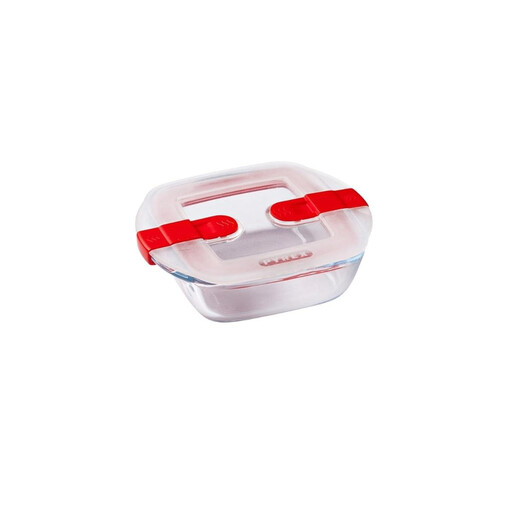
Why we chose it: Ideal for storing and reheating dinner leftovers, a homemade sauce, or an individual portion. Pyrex's reputation is well-established, and this small size is a true kitchen essential.
Against leaks and exploding lids: its patented lid is equipped with two steam vents. They allow for safe microwaving by letting steam escape.
Its borosilicate glass withstands extreme temperatures (from -40°C to +300°C for the dish), making it a 3-in-1 tool: for cooking, storing, and serving.
Whether for your prepped meals, leftovers, or even deli meats, we've compiled a comprehensive list of products that meet strict selection criteria.
304 stainless steel is the most common in kitchen utensils and offers good corrosion resistance. 316 steel, often called “marine grade,” contains molybdenum, which enhances its resistance to corrosion, especially from salt and acidic foods. For a stainless steel container intended for heavy use, 316 is a true guarantee of longevity.
Yes, but on one condition: it must be borosilicate glass. This type of glass is specifically designed to withstand thermal shock. Caution is still advised: avoid extreme thermal shocks. For example, don't move a dish from the freezer directly into a very hot oven. Let it return to room temperature for a few minutes. As for the plastic lid, it is strictly forbidden in the oven.
To guarantee a perfect seal over the long term, the habit to adopt is to remove the silicone seal from the lid before each cleaning. A simple hand wash with soapy water is sufficient. Then, let it air dry completely before reinserting it. This simple step prevents residue buildup and mould formation, thereby extending the life of the seal.