
Livraison le jour même ou le lendemain

Qualité garantie

Débloquez vos offres de bienvenue: Livraison GRATUITE | Jusqu'à -80 % | 30 jours d'essai gratuits à JoyPlus
Téléchargez l'application
Finding the right food storage container can quickly become a headache. Between promises of perfectly airtight seals and a bewildering array of materials, it's easy to end up with cupboards full of containers that leak, stain, or warp after just a few dishwasher cycles. Our mission: to help you cut through the confusion and make a choice that truly fits your daily life.
Before you start shopping, be on the lookout! Here are the most common pitfalls that turn a good purchase into a guaranteed disappointment:
To avoid these setbacks, here are the technical details that really make a difference.
The choice of material is crucial and depends entirely on how you plan to use it.
The locking system is what makes all the difference between a simple storage box and a truly airtight and leak-proof model. The most reliable ones combine two elements:
Rather than an endless list, we've selected models that cater to specific needs. The goal: to help you find the container that's right for you.

Why we chose it: For those who prep their meals for the week, this glass set of storage containers is a healthy and ultra-versatile solution. The borosilicate glass allows you to cook, store, reheat, and even serve all in the same dish.
Unlike low-quality plastics, glass doesn't stain or retain any odours. Its resistance to extreme temperatures makes it a truly versatile ally, from the freezer to the oven.
A healthy and durable material, clip-on lids that guarantee an excellent seal, and a set of 10 different sizes for meticulous organisation.

Why we chose it: For those who take their lunch to the office or on the move, the lightness and sturdiness of stainless steel are unbeatable. This set offers multiple sizes for a complete meal.
Stainless steel is unbreakable, unlike glass, and retains no odours, unlike many plastics. The secure lids prevent the tragedy of salad dressing at the bottom of your bag.
Lightweight, virtually indestructible, and hygienic. The 316 stainless steel offers superior corrosion resistance, guaranteeing a very long lifespan.
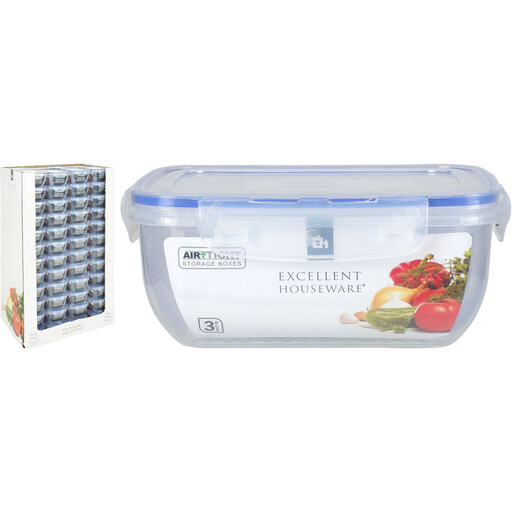
Why we chose it: For organising leftovers in the fridge or storing dry ingredients without breaking the bank, this BPA-free plastic set is a smart and practical solution.
This set is made from BPA-free polypropylene (PP), a reliable material that protects you from the unpleasant surprises of unidentified plastics. Its stackable design is a real bonus for saving space.
Unbeatable value for money for everyday use. The lid with a silicone gasket ensures good preservation of solid foods and leftovers.
Explore our full selection of products that meet strict quality criteria and current standards.
It all depends on the material. A well-maintained glass container or stainless steel container can last for many years. On the other hand, a plastic container, even a high-quality one, will wear out faster: scratches, stains, or a weakening locking system are classic signs of wear, accelerated by repeated trips through the dishwasher and microwave.
No, caution is advised. Stainless steel should be avoided entirely. For glass and plastic, always check the manufacturer's recommendations. As a general rule, it is advisable to remove the lid or, at the very least, open its vent before reheating. This allows steam to escape and prevents over-pressure accidents.
This is plastic's biggest flaw. The simplest trick: fill the container with a mixture of hot water and baking soda (one to two tablespoons) and let it sit for several hours, or even overnight. Cleaning with white vinegar can also work wonders. In any case, rinse thoroughly before using it again.