
Same-day & Next-day Delivery

Quality Guaranteed

Unlock Your Welcome Offers: FREE Delivery | Up to 80% OFF | Free 30-day JoyPlus trial
Download the APP
Proper food storage is essential for reducing waste, preserving the nutrients and flavours of your food, and optimising your kitchen organisation. Yet, navigating the vast landscape of bags and containers can be overwhelming, often leading to poor choices. A zip that gives out after two uses, a so-called reusable bag that absorbs odours, or a cooler that only stays cold for the duration of the trip… These are all-too-common scenarios.
I'm the Head of Product Curation at Joybuy, and my mission is to bring clarity to your choices. Let's forget the marketing jargon and focus on what truly matters. Here’s how to avoid the common pitfalls and choose storage solutions that are finally tailored to your needs.
Before you start shopping, you need to know how to spot the design flaws that make a product almost unusable in daily life.
Making the right choice comes down to three technical criteria. The performance and lifespan of your product depend on them.
The choice of material is crucial for freshness, food safety, and the product's durability.
A perfect seal is non-negotiable, whether it's to prevent leaks in your backpack or to stop air from getting in and oxidising your food.
Design details make all the difference in everyday use.
Rather than an impersonal product list, we've selected solutions for three typical user profiles. Find the one that fits you best.
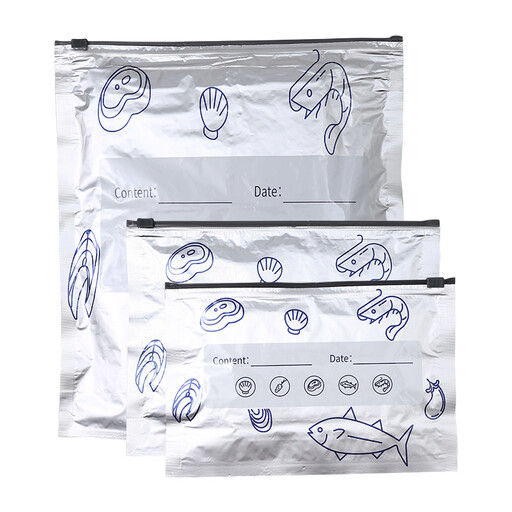
Why we chose it: Perfect for "batch cooking" enthusiasts and those who want a perfectly organised freezer. This set offers three different sizes to suit all needs, from aromatic herbs to large cuts of meat.
Its slider closure is robust and reliable, a far cry from flimsy press-to-seal zips. The multi-layer material with aluminium is easy to wash, doesn't retain odours, and resists tears. It's a true reusable freezer bag, not an imitation.
Its "stand-up" base is a game-changer for filling and storage. The aluminium layer blocks light and odours, preserving the texture and taste of food much better than a basic plastic bag.
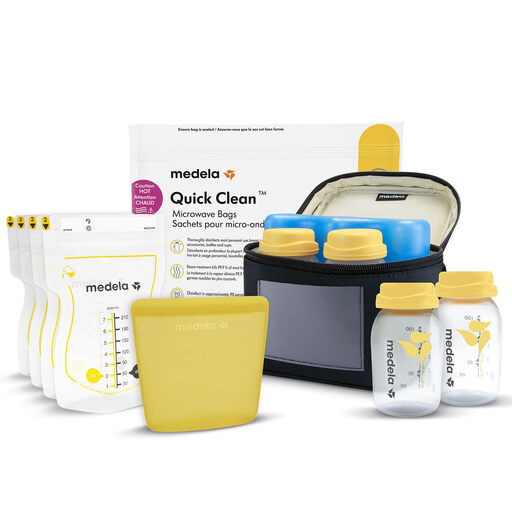
Why we chose it:Breast milk storage allows no compromise on hygiene and safety. This all-in-one kit is a complete and reliable solution, from collection and storage to transport and sterilisation.
No more risk of using unsuitable or potentially hazardous containers. All components are guaranteed BPA-free, designed to be perfectly leak-proof, and to preserve the precious nutrients in the milk. The included cooler bag is specifically calibrated for this purpose.
The complete ecosystem: the bottles are compatible with Medela breast pumps, the bags are pre-sterilised, and the kit even includes a microwave sterilisation bag. It's simply peace of mind.
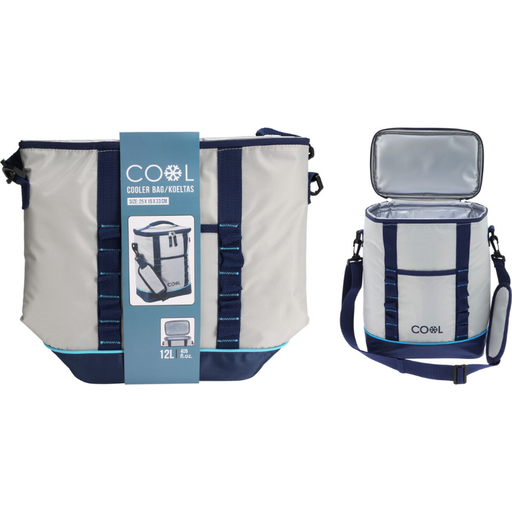
Why we chose it: For picnics, beach days, or simply bringing frozen groceries home, this 12-litre soft cooler offers an excellent size-to-capacity ratio. Its design is understated and focuses on the essentials.
This bag goes beyond a simple reflective sheet. With its 6 mm insulating foam and waterproof PEVA lining, it provides real thermal insulation for several hours. No more disappointment of lukewarm drinks after just an hour!
Its construction is built to last: the outer fabric made of 420D polyester is robust and can handle the rigours of outdoor adventures. The inner lining, meanwhile, can be cleaned with a simple wipe of a sponge.
We have compiled a complete selection of products that meet our quality criteria and current safety standards.
The secret? Wash it immediately after use with warm water and a little dish soap. Turn it completely inside out to clean the corners thoroughly. But the crucial step is drying: leave it wide open to air dry until the inside is completely dry before closing and storing it. Any trapped moisture is a guarantee of bad odours.
A standard bag mainly protects against freezer burn by limiting contact with the dry air in the freezer. A bag with an aluminium layer adds two extra shields: it blocks light (which degrades fats and vitamins) and it forms a much more effective barrier against odour transfer between foods.
That's a big no for most plastic or composite bags. The heat can damage the material, warp the seal, and, more seriously, create a breeding ground for bacteria if cooling is too slow. The golden rule: always let your dishes cool to room temperature before bagging them and placing them in the refrigerator or freezer. However, always check the manufacturer's instructions. Some products can tolerate a wide temperature range (e.g., from -20°C to 100°C), but this almost always excludes direct contact with a heat source like a microwave or boiling water.