
Livraison le jour même ou le lendemain

Qualité garantie

Débloquez vos offres de bienvenue: Livraison GRATUITE | Jusqu'à -80 % | 30 jours d'essai gratuits à JoyPlus
Téléchargez l'application
Juggling fresh produce management, freezer organisation, and the fight against waste is often a complex challenge. Improperly stored food not only loses flavour and nutrients but also all too often ends up in the bin. Navigating the vast array of available options to find the right food storage bag can quickly become a challenge.
As the Equipment Editor at Joybuy, my role is to test and present practical solutions to simplify your life. This guide is designed to help you make sense of the different types of bags, from vacuum-seal models to reusable pouches. The goal: to find the perfect match that fits your needs and your kitchen.
Before diving into our selection, let's review the essential criteria for making the right choice.
The bag's composition is the number one criterion. Most freezer bags are made of polyethylene (PE) or polypropylene (PP), plastics certified for food contact. For complete peace of mind, opt for products explicitly labelled "BPA-free" (bisphenol A) and compliant with European standards, such as EU Regulation No. 10/2011. Bags intended for vacuum-sealing are more technical: they consist of multiple layers, are thicker, and often textured to ensure perfect air removal and resist punctures and high cooking temperatures.
The seal is what guarantees your food is protected from air, moisture, and unwanted odours.
The choice between a reusable freezer bag and a disposable model depends on your priorities and usage. Thicker bags, made of PEVA or composite materials including aluminium, are a sustainable and cost-effective long-term investment. The downside? They require meticulous cleaning after each use. And a golden rule for hygiene: never reuse a bag that has contained raw meat or fish.
We have selected three products that excel in their category, meeting a variety of needs from simple daily freezing to high-end cuisine.
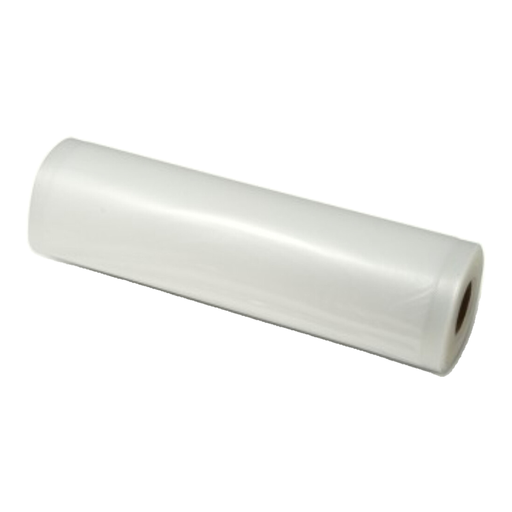
Why it stands out
Its main advantage: this 5-metre food-grade roll allows you to create custom-sized bags. No more plastic waste! Its embossed, micro-channel structure is designed for optimal air removal by any sealing machine. Guaranteed BPA-free and phthalate-free, it is food-safe and can withstand sous vide cooking up to 100°C.
Advantages
Who is it for?
For cooking enthusiasts who practice sous vide, as well as anyone who buys in bulk and wants to preserve large quantities of meat, fish, or vegetables while maintaining maximum freshness and saying goodbye to freezer burn.
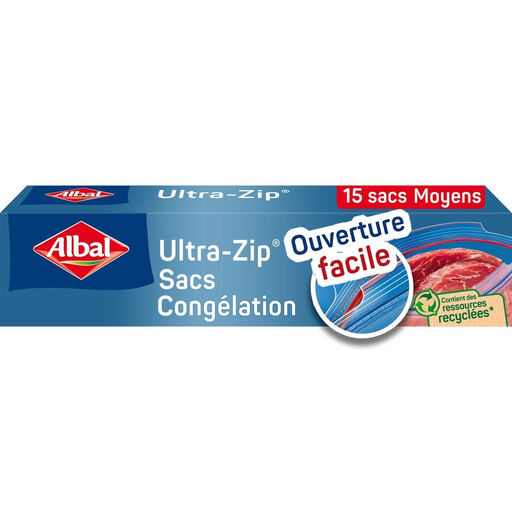
Why it stands out
A classic in many freezers, and for good reason. The secret to ALBAL Ultra-Zip bags lies in their 100% hermetic double Ultra-Zip seal, which forms an anti-frost barrier while preserving vitamins. Ultra-practical, their flat bottom allows them to stand upright for easy, stress-free filling. The eco-friendly bonus: they are made from 70% recycled resources.
Advantages
Who is it for?
The essential ally for families and daily organisation. It's perfect for freezing portions of homemade meals, soups, seasonal fruits and vegetables, or even for packing a sandwich. It's the ultimate all-round zip-top freezer bag.
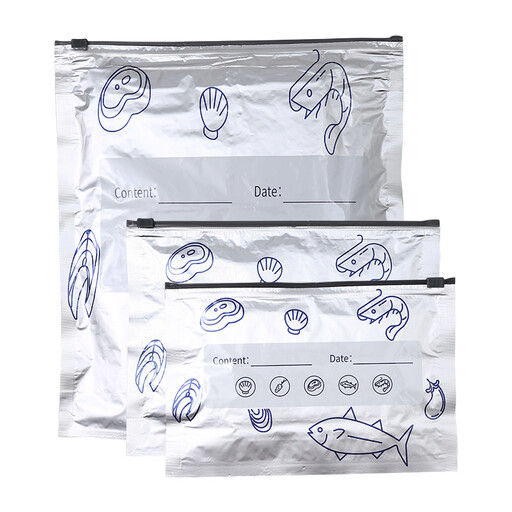
Why it stands out
This set of 30 reusable bags stands out from the crowd with its multi-layer composition (PET + Aluminium + PE). The integrated aluminium foil acts as a true shield against light and odours. This makes it a formidable solution for limiting oxidation and preserving foods with strong aromas, like coffee, fish, or cured meats. The slider resealable bag is a breeze to use, and the set of three different sizes offers great versatility.
Advantages
Who is it for?
For anyone looking for a truly high-performance reusable freezer bag, especially for odorous or light-sensitive foods. It's an excellent sustainable alternative for organising your fridge and freezer.
Organisation doesn't stop at the kitchen door. To track your activities, manage notifications, and stay on top of your game throughout the day, a smartwatch is an excellent ally.
Discover our selection of activity tracker bands
No, be careful not to mix them up. Only bags sold with the "reusable freezer bag" label are designed to last, as they are thicker and more durable. A golden rule of hygiene to prevent cross-contamination: never reuse a bag, even a washable one, that has contained raw meat or fish. For other foods (fruit, vegetables, bread, etc.), a thorough wash with soapy water followed by complete drying is essential before reusing.
It's all about the air. With a classic zip-top freezer bag, you manually squeeze the air out before sealing. A vacuum-seal bag, on the other hand, is used with a machine that removes almost all the air (nearly 99%!). This lack of oxygen changes everything: it drastically slows the growth of bacteria and prevents freezer burn (those tell-tale white, dry patches). The result: a shelf life up to 5 times longer.
Absolutely not, provided they meet established safety standards. Bags intended for food contact are subject to very strict health regulations. For maximum safety, choose products that are clearly labelled as "BPA-free" and comply with regulations like those in the EU. They are specifically designed not to transfer any potentially harmful substances to your food when used correctly (for freezing, refrigeration, or cooking).