For preparing ingredients
You regularly chop, blend, grate or slice vegetables, or prepare sauces and toppings, but are happy to cook in a saucepan or in the oven. A food processor is suited to these preparation tasks, as UFC-Que Choisir explains.


If chopping, grating and blending take up most of your time, a food processor is a good choice. If you also want to mix and cook in the same bowl, consider a cooking food processor. A multi-cooker is more suited to cooking when you already have other utensils for food preparation. UFC-Que Choisir distinguishes between these uses and recommends comparing the features you’ll actually use, the accessories, the space required and the cleaning involved, rather than assuming one appliance will do everything equally well.
Your choice depends largely on which part of preparing a meal you want the appliance to handle, and which utensils you already own.
You regularly chop, blend, grate or slice vegetables, or prepare sauces and toppings, but are happy to cook in a saucepan or in the oven. A food processor is suited to these preparation tasks, as UFC-Que Choisir explains.
You’d like to combine certain preparation, mixing and cooking steps when making soups, sauces or slow-cooked dishes. A cooking food processor can meet this need, provided its features, capacity and cleaning requirements suit the recipes you usually make.
You already have the tools to chop or blend and mainly need a pot for pressure cooking, steaming or slow cooking. A multi-cooker can complement your existing equipment, but it shouldn’t be chosen as a replacement for a food processor.
Start with the task you do most often when cooking at home, then check exactly what the appliance and its accessories can handle.
| Priority | What to check | Who is it for? |
|---|---|---|
| Chopping and mixing | Discs and blades supplied for your regular tasks; usable bowl capacity. | When grating vegetables or making sauces and doughs takes up a large part of the work, I want to bring these tasks together without asking the appliance to cook as well. Around 27% of consumers put this kind of versatile food preparation at the top of their list. |
| Preparing and cooking | The cooking and mixing settings you need; parts to wash after each recipe. | For soups or slow-cooked dishes, I’d rather minimise transfers between utensils and use the same appliance right through to cooking. Integrated cooking is the priority for around 33% of consumers. |
| Focusing on cooking | Pressure, steam or slow-cooking settings to suit your recipes; pot capacity and included accessories. | If I already have the chopping side covered, I mainly want to cook everyday meals in one pot. Around 20% of consumers prioritise this use over food-preparation features. |
| Keeping equipment to a minimum | The space taken up by the appliance and its accessories; parts to clean and stated availability of spare parts. | When I mainly make soups or blended dishes, I don’t want lots of features I’ll rarely use or extra parts to store. Keeping equipment focused is the main priority for around 20% of consumers. |
A heated blender can complement your kitchen utensils if soups and compotes are what you make most; it won’t, however, grate, slice or knead like a food processor. UFC-Que Choisir points out that multi-purpose appliances don’t necessarily deliver the same results for every function. When comparing two models, look at tests covering the dishes you plan to make.
A long list of features doesn’t tell you which ones you’ll use or how well the appliance handles each task. UFC-Que Choisir assesses different preparations and accessories separately in its food processor testing protocol.
Make a note of a few tasks you do every week, then compare the supplied accessories, capacity and cleaning requirements for each one.
A pot designed for pressure cooking, steaming or slow cooking doesn’t replace the discs and blades of a food processor.
If chopping is important for your meals, check the food-preparation features and accessories carefully before choosing your cooking appliance.
If you don’t already have equipment for chopping, you’ll still need to do this with utensils or a separate appliance.
The DGCCRF distinguishes between the obligations to make spare parts available for different categories of goods. So if a model comes with a stated availability period, check which parts it covers rather than assuming it applies to the whole brand.
Check the spare-parts commitment and the terms of the commercial warranty for the model you choose. In France, a commercial warranty does not replace the legal guarantee of conformity that applies to purchases from a professional seller, as the Ministry of the Economy points out.
These models illustrate different uses; their specifications won’t necessarily apply to other appliances from the same brand.
The CS 5200XL is an example of a food processor focused on preparation, with no integrated cooking function.
The Companion and Cookeo ranges cater for two different needs: the former prepares and cooks, while the latter focuses on cooking.
The SoupMaker HR2203/80 is a targeted option for soups, compotes and smoothies.
This selection includes food processors, cooking food processors and a multi-cooker for a range of home-cooked meals. Compare each appliance based on the task you want it to handle; the stated specifications alone don’t tell you how well it will perform for every recipe.
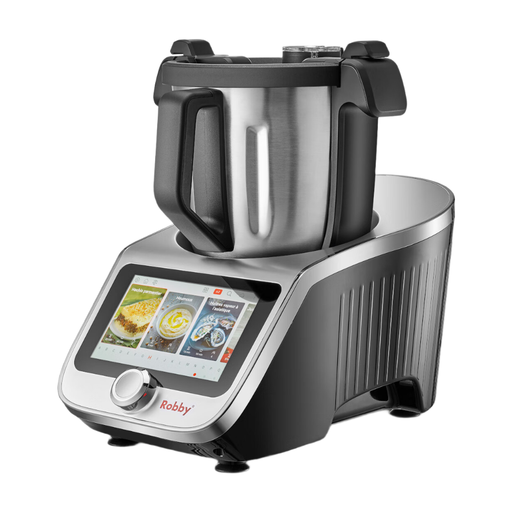 Image unavailable
Worth considering if you’d like to combine preparation and cooking in one appliance with guided recipes. Its product title mentions built-in scales, a large touchscreen and 750 recipes. Check that it has the accessories you need for your dishes and that you have enough worktop space.
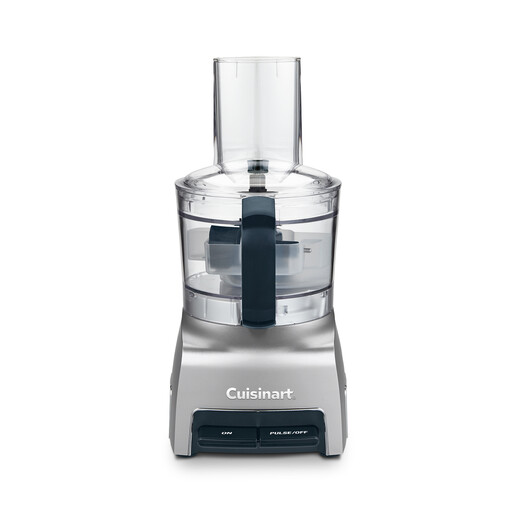 Image unavailable
Consider this if your priority is food preparation rather than integrated cooking. Compare the 1.1 L bowl capacity stated in the product title with the quantities you usually prepare, and check that it includes the accessories your recipes require.
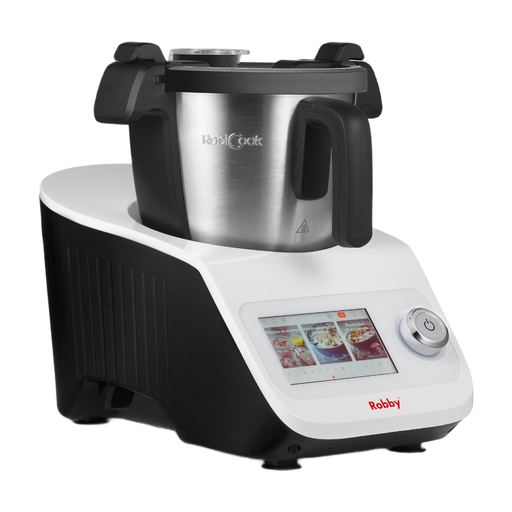 Image unavailable
Compare this model if you’re looking for a cooking food processor with built-in scales and guided recipes. Its product title lists 680 recipes. Before choosing it, check that it has the accessories you need for your tasks and review the cleaning instructions for each part.
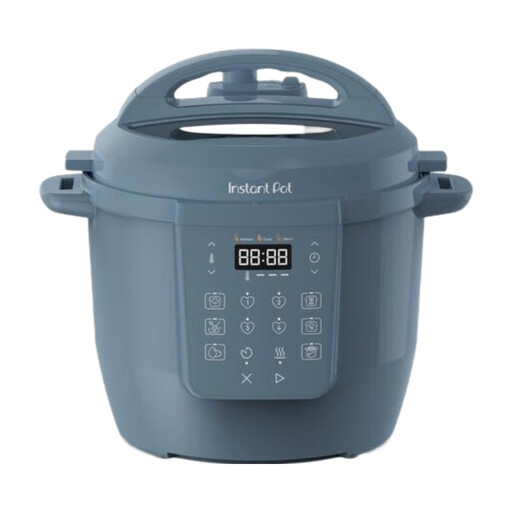 Image unavailable
Worth considering if cooking is your priority and you already have tools for chopping or blending. Its product title lists a 5.7 L capacity; if you also want to prepare ingredients in the appliance, check exactly which functions it offers. When pressure cooking, always follow the fill limits and pressure-release instructions.
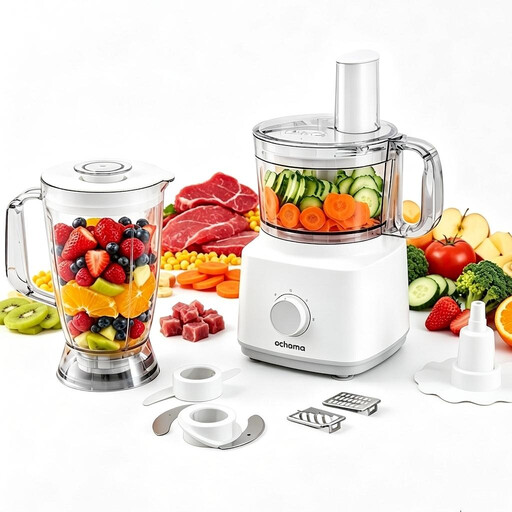 Image unavailable
Consider this if grating and slicing are among your regular tasks. Its product title lists a 1.8 L bowl and slicing and grating discs; check exactly what’s included and how the parts should be cleaned before making your choice.
Yes, if your main needs are grating, slicing, chopping or blending, and you already have the equipment to cook. Check that the discs and blades supplied are suitable for the tasks you do regularly.
No. Features and accessories vary between models, and integrated cooking doesn’t guarantee the same results for every dish. UFC-Que Choisir assesses tasks separately in its food processor tests, so compare the uses that matter to you in the same way.
Count the bowls, discs, lids and seals you’ll need to store and wash, then check the instructions for each part. The space needed for accessories can matter just as much to your decision as the space taken up by the appliance itself.
No. The DGCCRF explains that the specific obligation to make spare parts available applies to certain categories of goods, not all small appliances. For the model you’re considering, check the stated availability period and which parts it covers.
If you bought from a professional seller, the legal guarantee of conformity may apply when an appliance doesn’t match its stated description. The Ministry of the Economy explains that this guarantee is compulsory and separate from any commercial warranty. Contact the seller and keep a copy of the product description and your proof of purchase.