Which criteria should you consider first?
Make a list of the tasks your existing appliances already handle. Keeping them may be enough if they’re still straightforward to use. If you’re buying a new appliance, compare quantities, available space and whether you need a cooking function; Que Choisir distinguishes cooking food processors in particular by this last feature.
| Criterion |
What to check |
Which consumers is it for? |
| Useful versatility |
List the tasks you do regularly, then check that the blades and discs needed to carry them out are actually included. |
I want to combine chopping with other food preparation tasks I do often, rather than keep several appliances for the job; around 36% of consumers would prioritise this versatility. |
| Quantities prepared |
Compare the total capacity and, where stated, the usable capacity. For dough, check the maximum quantity specified for the model. |
When I prepare large quantities of vegetables or dough, my usual batches need to fit in the appliance; capacity would be the top priority for around 29% of consumers. |
| Space and cleaning |
Measure the space you have available and check where you’ll store the accessories, as well as the cleaning instructions for each part. |
In a small kitchen, I want to be able to get the food processor out, clean it and put it away without making every meal more complicated; around 21% of consumers would put ease of use first. |
| Cooking function |
Work out whether your recipes really need the appliance to cook, simmer or steam. |
If I also want the appliance to cook my meals, preparing ingredients alone won’t meet my needs; this would be the priority for around 14% of consumers. |
Products for these uses
These products let you compare food processors with different capacities, as well as cooking food processors if you also want to handle cooking in the appliance. Compare each model with your recipes and the appliances you already own.
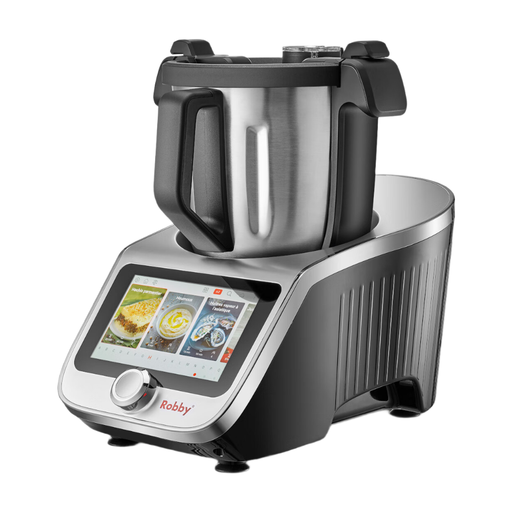 Image unavailable
Robby Smart cooking food processor with XL bowl, scales and large touchscreen
Worth considering if you want to prepare ingredients and cook with a single appliance.
The title mentions an XL bowl and built-in scales. Check which accessories are included for chopping tasks, as well as how much space you’ll need to store the appliance.
The number of recipes varies across the information available for this model, so confirm what’s included before using it as a deciding factor.
View on Joybuy
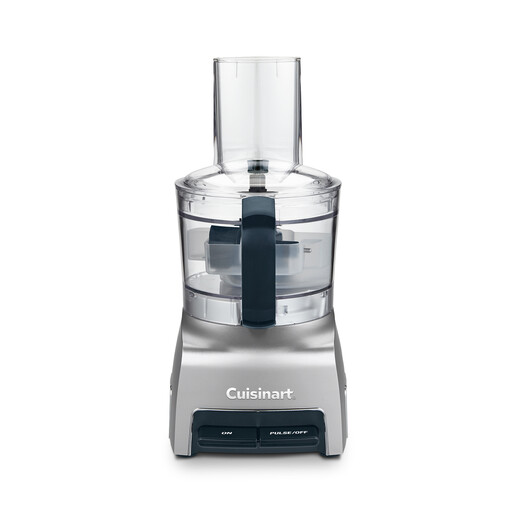 Image unavailable
Cuisinart FlexPrep FP5E, 1.1 L food processor
If you mostly prepare small quantities, compare the 1.1 L bowl with your usual portions before choosing this size.
Check that this model includes the accessories you need for the tasks you do in your kitchen. If noise is a factor in your choice, look for information specific to the FP5E too.
View on Joybuy
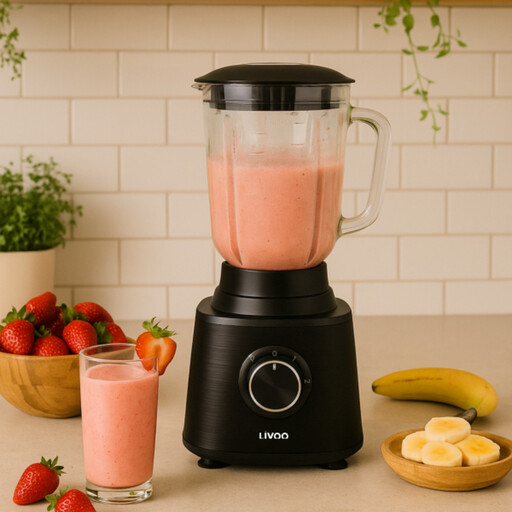 Image unavailable
Livoo DOP250N, black food processor, 1.5 L, 600 W
If you switch between preparing vegetables, sauces and dough, check that the accessories for this model are suitable for each of the tasks you do regularly.
The title lists a 1.5 L bowl and 600 W of power, but these figures don’t replace checking the usable capacity and maximum quantities. Check the cleaning instructions for each part.
View on Joybuy
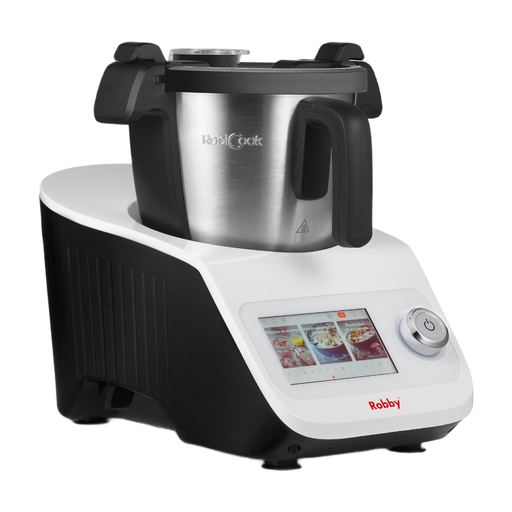 Image unavailable
Robby cooking food processor with built-in scales and touchscreen
Consider this if you want to prepare ingredients and also carry out cooking steps in the appliance.
If you want to grate or slice with this model, check the exact list of included accessories. Also check the usable capacity and the space needed for the appliance and its attachments.
View on Joybuy
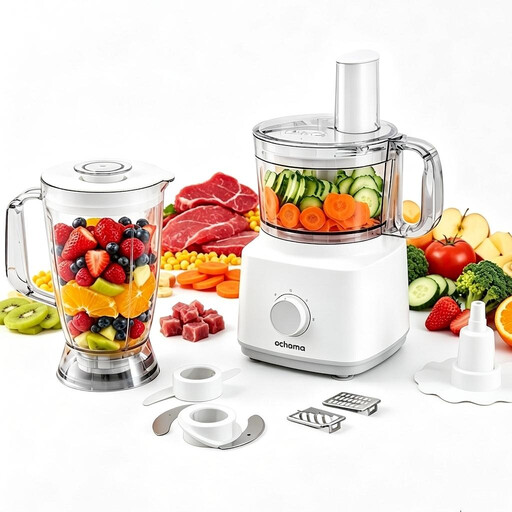 Image unavailable
ochama food processor, 750 W, 1.8 L, blender and meat mincer
If you want to bring several food preparation tasks together, compare the functions you’ll actually use with the exact contents of this model.
The title lists 750 W of power and a 1.8 L bowl, along with grating discs. Confirm which discs and other accessories are actually included, then check the usable capacity, size and cleaning instructions.
View on Joybuy
Frequently asked questions
Can a food processor replace my blender, chopper and grater?
Yes, for tasks its configuration can genuinely handle, provided the necessary accessories are included. Check separately for a blending bowl or attachment, a chopping blade and the discs for the types of slicing you do often.
Is the bowl’s total capacity enough to choose a food processor?
No: compare it with the usable capacity and the quantities the appliance can handle for your usual preparations. For example, Magimix lists a total capacity of 2.6 L but a usable capacity of 1 L for the CS 3200 XL; these figures apply to this specific model.
When should you consider a cooking food processor instead of a food processor?
Consider a cooking food processor if you want the appliance to handle some of the cooking, simmering or steaming too. If you only need to prepare ingredients, first compare a food processor with the appliances you already own and check that it includes the accessories your recipes require.
Should you check spare parts before buying?
Yes, especially for parts you may need to replace, such as the bowl, lid or a blade. Magimix, Bosch and Moulinex provide information about accessories or servicing, but always check compatibility and availability for the exact model you’re considering.


