Home cooks who prepare a variety of dishes
You already use another appliance for cooking, but regularly prepare grated or sliced vegetables, sauces and dough. A food processor is worth considering if its attachments can handle those tasks.


If you regularly chop, grate, slice and knead, but don’t want to cook in the same appliance, a food processor with the right attachments is a sensible choice. If you mainly make blended dishes, a blender or hand blender may be enough; if dough is your main focus, consider a stand mixer too. In every case, check the usable capacity, exactly what’s included in the box and how much storage space you’ll need.
You already use another appliance for cooking, but regularly prepare grated or sliced vegetables, sauces and dough. A food processor is worth considering if its attachments can handle those tasks.
You need to be able to take the processor and its attachments out, then put them away without giving up all your worktop space. Check the appliance’s dimensions and how the parts can be stored before opting for a large bowl.
You often make bread, pizzas or cakes. Usable capacity, the stated maximum dough load and endurance testing matter more to your choice than the power rating alone.
Start by choosing an appliance that suits the dishes you make most often, then compare its bowl, attachments and storage options.
Worth considering: if you regularly chop, grate, slice or knead without needing built-in cooking functions.
Bear in mind: the bowl, motor unit and attachments all take up space, even if you rarely use some of the functions.
Worth considering: if you mainly make sauces, purées or blended drinks.
Limitation: these appliances don’t replace grating or slicing discs, or a dough mixer.
Worth considering: if dough and baking are your main priorities.
Limitation: don’t assume that slicing attachments are included.
Worth considering: if you also want to cook or simmer food in the same appliance.
Something to consider: according to Que Choisir, cooking is what sets this category apart from a food processor. Think about the space it will take up and the cleaning it involves for your needs.
| Feature | What to check | Who it’s for |
|---|---|---|
| Useful attachments | Identify the tools you need for your usual recipes and check which parts are included and which are sold separately. | If I often grate, slice and knead, I want the tools for those tasks to be included in the configuration I choose. Around 36% of consumers prioritise this versatility. |
| Size | Measure the space you have available, the clearance needed to open the lid and the space required to store the attachments. | In a small kitchen, I need to be able to put the processor away and find its parts easily. Storage comes before other criteria for around 29% of consumers. |
| Capacity and kneading | Compare the usable capacity with the stated dough load; if you’ll use it often, look for endurance and noise test results. | When I regularly make large batches, I look for a bowl that suits the quantities I prepare and an appliance that has been assessed for this use. Around 21% of consumers put this capacity first. |
| Occasional blending | Work out whether your recipes really need slicing discs or a dough mixer as well as blending functions. | If I mainly make the occasional sauce or purée, I’d rather look at an appliance dedicated to blending before considering a full food processor. This need comes first for around 14% of consumers. |
A function advertised for a product range doesn’t mean the corresponding tool comes with every model.
Make a list of the dishes you usually prepare, then check the box contents for the exact version you’ve chosen.
Discs, a blender or a mini chopper sold separately also mean more parts to store and clean.
The rated power alone doesn’t tell you how noisy an appliance will be, how much it will vibrate or how well it will hold up to repeated kneading. Que Choisir also considers endurance, build quality and noise levels in its tests.
If you knead often, check the stated dough load and look for tests that assess these criteria.
The bowl’s stated volume isn’t necessarily the amount you can use for every type of preparation.
Compare the usable capacity and, for dough, the stated maximum load with the quantities you usually make.
Cooking is precisely what sets a cooking food processor apart. It won’t help if all you need is chopping, slicing, blending or kneading.
Consider a cooking food processor if you genuinely plan to cook or simmer food in the same appliance; otherwise, start with the preparation functions you need.
These models show a range of configurations. The features and commitments below apply to the models mentioned, not to every product from each brand.
The Compact System CS 3200 XL is designed for households looking for several bowls to handle a variety of preparations.
The Double Force FP821811 combines a large bowl and several attachments in a kit designed for a variety of preparations.
The MultiTalent 8 MC812W501 lets you check the stated dough load and how several attachments can be stored inside the bowl.
The MultiPro Go FDP23.140GY is worth considering if storage matters more to you than having a large bowl.
These products cover two uses without built-in cooking functions: food processors for chopping and blending, followed by stand mixers for when mixing and kneading are the priority. Choose according to the tools you need for your usual recipes, not just the size of the bowl.
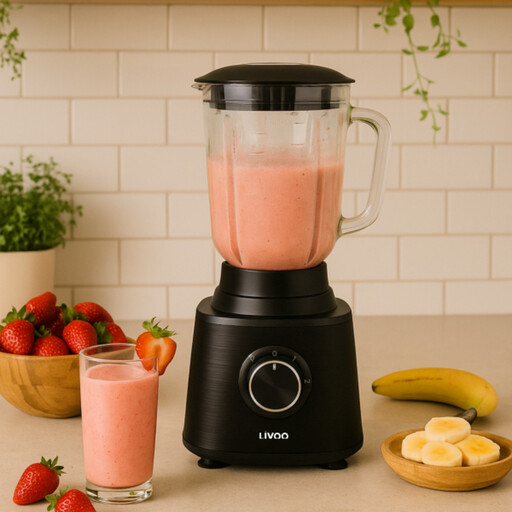 Image unavailable
Worth considering if you’d like to combine several food preparation tasks in one appliance. The product name lists 1.5 L and 600 W; check the attachments included, usable capacity and space required before choosing it for your usual recipes.
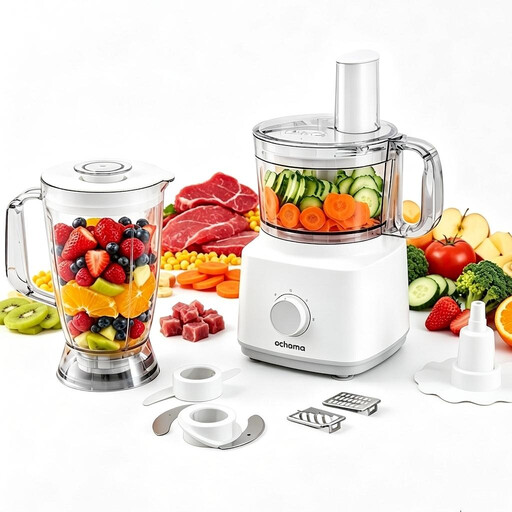 Image unavailable
Worth considering if chopping, grating and blending are part of your usual food preparation. The product name mentions grating and slicing discs; check exactly which parts are included, the usable capacity and whether a kneading tool is provided if you make dough.
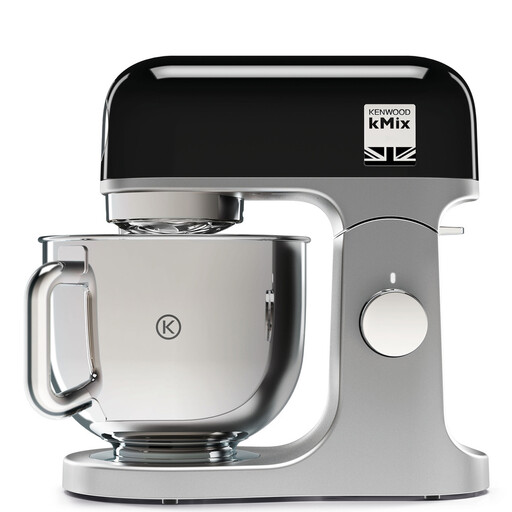 Image unavailable
Worth considering when dough and baking matter more to you than chopping vegetables. The product name lists a 5 L capacity; if you also want to grate or slice, check which attachments are included and which are optional extras.
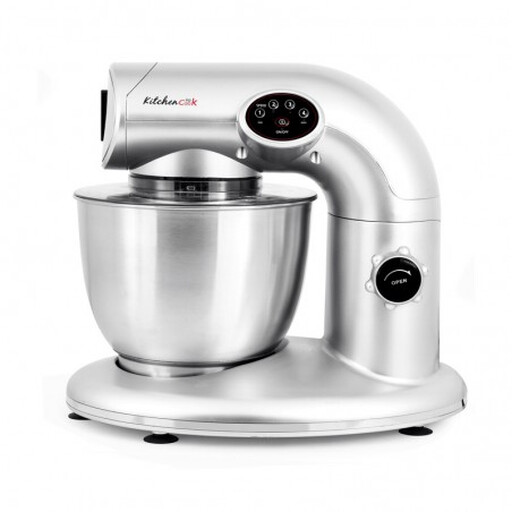 Image unavailable
Worth considering if mixing and kneading are your main tasks. For heavy doughs, the product listing says to limit continuous operation to 5–10 minutes. If you also need to grate or slice, check which attachments are compatible and what’s included in the box.
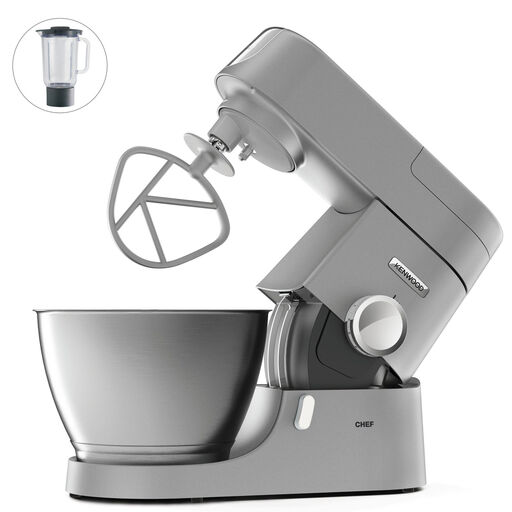 Image unavailable
Worth considering for baking where mixing and kneading come first. The product name lists 4.6 L and 1,000 W. Check exactly what’s included in the box if you plan to use a blender or slicing attachments: mentioning them as possible functions doesn’t confirm that they come with this pack.
No. Check the list of attachments included with the exact model. Que Choisir notes, for example, that functions such as blending, juicing or centrifugal juicing are possible when the relevant attachments are supplied; a list of compatible attachments doesn’t necessarily tell you what’s in the box.
No. The rated power alone doesn’t tell you how noisy an appliance is or how well it will withstand repeated use. Check the model’s maximum dough load and look for tests covering endurance, vibration and build quality, such as those described in Que Choisir’s testing protocol.
According to the French Ministry of the Economy, the statutory guarantee of conformity applies to goods sold by a professional to an individual, whether they are new, second-hand or refurbished. If the food processor doesn’t conform to the contract, contact the seller; any manufacturer’s commercial guarantee is in addition to, and does not replace, this statutory guarantee.
In France, an electric food processor must be disposed of through the collection system for waste electrical and electronic equipment, as described by the ministry responsible for ecological transition. Check your local collection options or whether a take-back scheme is available when you replace it.