If you regularly use several food preparation functions and are short on space, consider a compact food processor. If you often prepare large quantities or dough, focus instead on bowl capacity and the stated dough capacity. If you mainly want to blend or chop from time to time, a specialist appliance may be enough. In every case, check which accessories are included, how they can be stored and how they should be cleaned.
Who are these appliances for?
People cooking in a small space
If you grate vegetables, chop herbs or make small batches of dough, think about how easy the food processor and its accessories are to store, as well as the functions it offers. An appliance that’s easy to take out and put away may be a better fit for your kitchen.
Households preparing larger quantities
For several portions or batch cooking, bowl capacity matters, but it doesn’t tell you how much dough the appliance can handle. Compare these specifications separately for each model you’re considering.
People with specific food preparation needs
If you mainly blend or chop from time to time, take stock of the appliances you already own. As UFC-Que Choisir recommends, working out how you’ll use an appliance before you buy can help you avoid paying for functions that duplicate what you already have.
Which features should you prioritise?
To prepare meals alongside the cooking equipment you already have, start by thinking about the tasks you do regularly. Then use the capacity you need and the space available to narrow down the right format.
Compact food processor
Consider it if: you often grate, slice or chop, but have limited space to store the appliance.
Bear in mind: a small bowl may mean preparing larger quantities in several batches.
Food processor with a large bowl
Consider it if: you often prepare several portions, process vegetables in batches or regularly knead dough.
Bear in mind: check how much space the appliance needs, along with the accessories you’ll actually use.
Blender or specialist appliance
Consider it if: you mainly want to blend or chop occasionally.
Bear in mind: a specialist appliance on its own won’t meet regular needs for grating, slicing and kneading.
| Feature |
What to check |
Who is it for? |
| Space and duplication |
Measure the space you have in mind and decide where to store the accessories. Compare the appliance’s functions with those of the appliances you already own. |
When the cupboards are full, I want to prepare ingredients without adding a collection of unused parts; around 40% of consumers would prioritise saving space and avoiding duplicates. |
| Capacity |
Check the total volume, usable capacity where stated, and the maximum dough quantity specified for the model. |
For several portions or dough I prepare regularly, I want to avoid making multiple batches; around 30% of consumers would put capacity at the top of their list. |
| Functions and cleaning |
Check that the accessories included suit the dishes you usually make, then check which parts the instructions say are dishwasher-safe. |
If I mainly blend sauces or chop small quantities, I’d rather not take out and wash accessories I won’t use; around 30% of consumers would prioritise specific functions and ease of cleaning. |
Mistakes to avoid
-
Choosing based on the number of functions
Extra accessories won’t help if they stay in the cupboard or do the same job as your blender or chopper. They also take up space between uses.
Make a list of the dishes you usually prepare, then look for the blades, discs or containers that suit those tasks instead of focusing on the total number of functions.
-
Comparing all capacities as if they were the same
Total capacity doesn’t necessarily tell you how much you can use for each preparation. For example, Kenwood lists a total capacity of 1.3 L and a usable capacity of 0.75 L for the MultiPro Go FDP23.140GY, while Bosch lists a 3.9 L bowl and a dough capacity of up to 1.5 kg for the MC812M844.
Compare like-for-like measurements between models, and check the stated dough capacity if you plan to knead.
A bowl that’s too small for the quantities you usually prepare may mean working in several batches.
-
Assuming every part is dishwasher-safe
Cleaning instructions vary between models and parts. UFC-Que Choisir recommends following the user manual and reminds users that the motor unit must not be immersed in water.
Before you buy, check exactly which parts are dishwasher-safe and be prepared to wash the others by hand.
Brands to consider for these needs
Kenwood
The MultiPro Go range is an example of a food processor designed for smaller preparations in kitchens where storage space matters.
- Kenwood says the FDP23.140GY’s accessories can be stored in the bowl and that it has an integrated cord.
- The stated usable capacity for this model is 0.75 L, so check it against the quantities you prepare.
Moulinex
The DoubleForce Compact FP542111 and Double Force FP821811 models offer two capacities to consider, depending on your available space and the portions you plan to prepare.
- Moulinex lists a 2.2 L bowl and a storage basket that fits inside the bowl for the FP542111. The FP821811 is listed with a 3 L bowl and eight accessories.
- For the model with more accessories, check which ones you’ll really use and where you’ll store them.
Bosch
The MultiTalent 8 MC812M844 is worth considering if bowl capacity and kneading dough are important to you.
- Bosch lists a 3.9 L bowl and a dough capacity of up to 1.5 kg for this model.
- Its stated dimensions of 430 × 250 × 300 mm should be checked against your worktop and storage space.
Magimix
The CS 3200XL combines several bowls with food preparation functions in a format you’ll want to measure up before choosing.
- Magimix lists a 2.6 L bowl and three additional bowls for this model.
- Check which accessories are included in the pack you’re considering, and compare the stated dimensions of 396 × 205 × 266 mm with the space available.
Blenders and mixers for specific needs
These appliances are worth considering if you mainly want to blend or prepare specific dishes, rather than regularly use the different functions of a food processor. Choose according to the tasks you actually do, especially if you also need to grate, slice or knead.
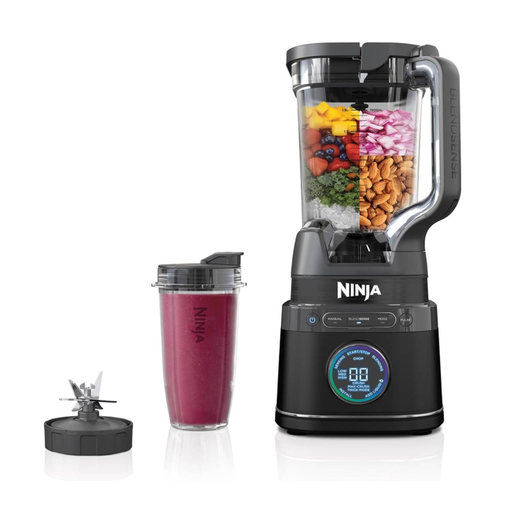 Image unavailable
Ninja Detect Power Blender BlendSense, 2-in-1 set
Worth considering if blending makes up most of your food preparation. The product name indicates a power rating of 1200 W and a set that includes a jug and a personal blender.
If you also need to grate, slice or knead, check that the appliance you choose can handle those tasks separately. Measure the space where you plan to store it, too.
View on Joybuy
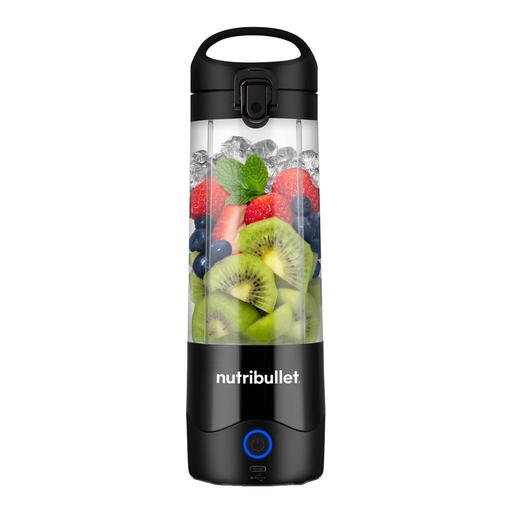 Image unavailable
nutribullet Portable NBP003B, black personal blender
Consider it if you only need to blend individual portions, rather than carry out several food preparation tasks. This version is rechargeable via USB.
If you prepare larger quantities or need to chop vegetables, make sure this format suits those tasks before you choose.
View on Joybuy
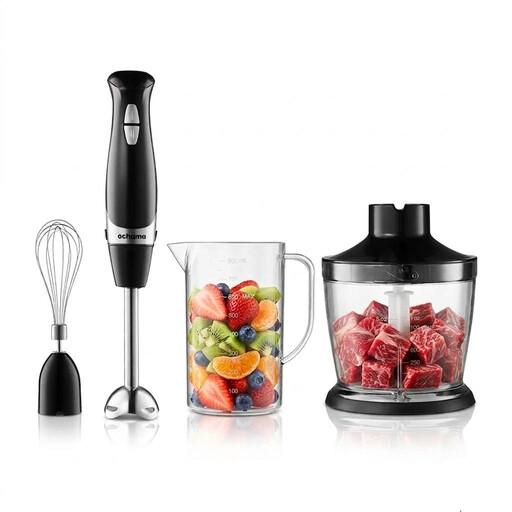 Image unavailable
ochama 4-in-1 hand blender, 600 W, with whisk and chopper
Worth considering if you mainly want to blend, whisk or chop small quantities. The product is described as having two speeds, a 500 ml chopper container and an 800 ml beaker.
If storage or dishwasher cleaning is important to you, check how much space it needs and the cleaning instructions for each part.
View on Joybuy
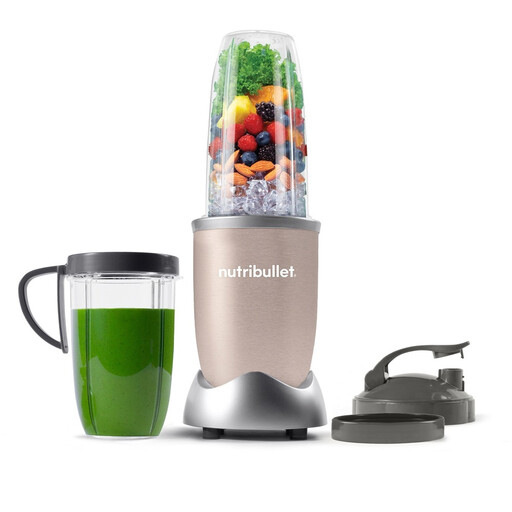 Image unavailable
nutribullet Pro NB907CP, champagne personal blender
Worth considering if blending is the main part of your food preparation. This model has a stated power rating of 900 W, but that alone doesn’t tell you which quantities are right for your recipes.
Check the container capacity if portion size matters, and choose a different type of appliance if you regularly need to grate, slice or knead.
View on Joybuy
Frequently asked questions
Do you need a food processor with cooking functions if you already have a hob and an oven?
A food processor without cooking functions may be a better fit if you only need to chop, grate, slice, blend or knead. UFC-Que Choisir distinguishes these appliances from food processors with cooking functions. Think about the tasks you need help with and the equipment you already own, rather than adding a cooking function you won’t use.
How can you tell whether the accessories will be easy to clean?
Check the user manual for the specific model to see which parts are dishwasher-safe. Instructions vary between components; UFC-Que Choisir notes in particular that the motor unit must not be immersed in water.
Do you need a food processor with a built-in blender?
A built-in blender is worth considering if you regularly blend soups, sauces or drinks and want to combine those tasks in one appliance. If you already own a blender or rarely use this function, focus instead on the accessories you need for your other preparations.
What should you do with an old electrical appliance when replacing it?
In France, you can take an old appliance to a collection point for waste electrical and electronic equipment, such as a recycling collection point or a waste recycling centre. The government departments responsible for ecological transition also recommend considering how often you expect to use a new appliance before replacing your existing one.


