Households that cook several times a week
If chopping vegetables, grating and blending are regular tasks, a food processor can take care of this prep without cooking the food.


Choose according to the task you do most often: a food processor for chopping, grating and blending before cooking; a stand mixer for regular kneading and whisking; or a cooking food processor if you also want to prepare hot meals in the same appliance. When cooking in larger quantities, compare how much it can handle for your recipes, the accessories included, the space it needs and how easy it is to clean, rather than looking at bowl capacity alone.
If chopping vegetables, grating and blending are regular tasks, a food processor can take care of this prep without cooking the food.
Compare how often you knead and whisk with how often you chop and blend. A stand mixer can only handle savoury prep if the accessories you need are compatible with and available for the model you choose.
A cooking food processor is a good choice if you want to combine food preparation with cooking soups, stews or steamed dishes. Check that its functions suit the meals you usually make.
Worth considering: if grating, slicing and blending make up a large part of your food preparation, but you already cook your meals another way.
Bear in mind: cooking is a separate step; depending on the pack, the accessories you need for your recipes may also take up extra space.
Worth considering: if you often knead or whisk, especially when making bread, brioche and cakes in larger quantities. This is the main use highlighted by UFC-Que Choisir in its stand mixer guide.
Bear in mind: grating and slicing are not part of its baking functions; check the accessories for the exact model if you want to use it for these tasks.
Worth considering: if you also want to simmer or steam food in the appliance that prepares your ingredients.
Bear in mind: check the steps involved in your recipes, the parts you’ll need to wash and the space the appliance takes up before counting on using it regularly.
| Criterion | What to check | What I need |
|---|---|---|
| Tasks you do often | Identify the jobs you repeat: chopping and blending, kneading, or preparing food and then cooking it. Check the functions of the model you’re considering. | I want to save time on the steps that come up in my regular meals, without assuming one appliance can do everything. In a survey by UFC-Que Choisir of 1,695 newsletter subscribers who own food processors, 52% said their cooking food processor saves them time in the kitchen; this does not predict the results for every household. |
| Accessories | Distinguish between tools included and accessories that are simply compatible. Check the pack contents for the exact model and what each tool can do. | For both savoury meals and baking, I need the tools that match the food I actually make. |
| Quantities | Compare the usable capacity and the quantities specified for the type of food you’re preparing. Bowl capacity alone doesn’t tell you how much dough or soup the appliance can handle. | My portions or batches need to fit in the appliance, without choosing an oversized bowl for small everyday jobs. |
| Cleaning and storage | Check how many parts need washing, whether they’re stated to be dishwasher-safe and how much space the accessories need. | If I use the appliance often, cleaning and storing it need to work for my kitchen. |
| Spare parts and repairs | Check which parts can be replaced, how long they’re stated to be available and the terms that apply to the specific model. | For an appliance I use regularly, I want to know how to replace a part or have the appliance repaired. |
Food processors, stand mixers and cooking food processors are designed for different main tasks. Cooking functions won’t be much use if the job you repeat most is kneading.
Make a note of the tasks you repeat when preparing meals, then choose the type of appliance that handles the ones you do most often.
A capacity in litres and a maximum dough quantity don’t describe the same kind of preparation. Bowl size also affects how much space you need and how easy the bowl is to handle.
Compare the quantities specified for your usual recipes and the usable capacity, where stated.
An appliance may be compatible with a grating or blending tool without that tool being included in the pack you choose.
Check the list of items supplied with the exact model before assuming your purchase includes a particular function.
Extra tools also need storage space and cleaning.
Commitments to availability and repair options vary by model; a statement about a product range does not necessarily apply to every model in it.
Check the repair terms and stated spare-parts availability for the model you choose. In France, the DGCCRF notes that the statutory guarantee of conformity applies to new, second-hand and refurbished goods sold by a business to a consumer, regardless of any commercial guarantee.
These examples highlight uses and features of the specific models mentioned; they don’t represent every configuration available from each brand.
The Companion range includes food processors that prepare and cook food in the same bowl.
The brand offers the CS 5200XL food processor for preparation, as well as Cook Expert food processors with cooking functions.
The Series 6 MUM range includes stand mixers designed for tasks such as mixing and kneading.
The Titanium Chef Baker is a stand mixer whose expansion options depend on the version and its accessories.
These options cover two uses: preparing and cooking food in a cooking food processor, or kneading and whisking with a stand mixer. For batch cooking, compare each appliance’s features with your recipes and the quantities you prepare.
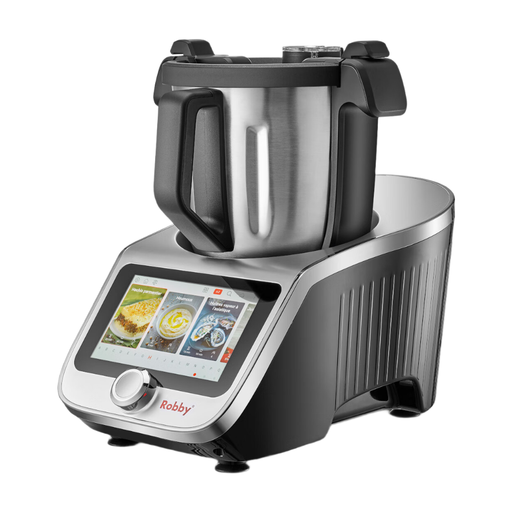 Image unavailable
Worth considering if you want to combine food preparation and cooking in one appliance. This model is listed with an XL bowl and built-in scales; check how much it can handle for your usual recipes.
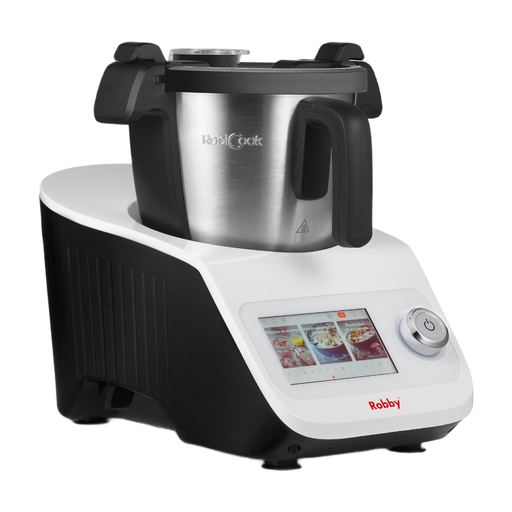 Image unavailable
Worth a look if you want to prepare and cook meals with the same appliance. Built-in scales are listed in the model name; check the quantities it can handle for the food you make.
 Image unavailable
For kneading, whisking and mixing: the listing mentions a dough hook, whisk and beater, as well as a 5 L bowl. Check how much dough it can handle for your batches; bowl capacity alone won’t tell you.
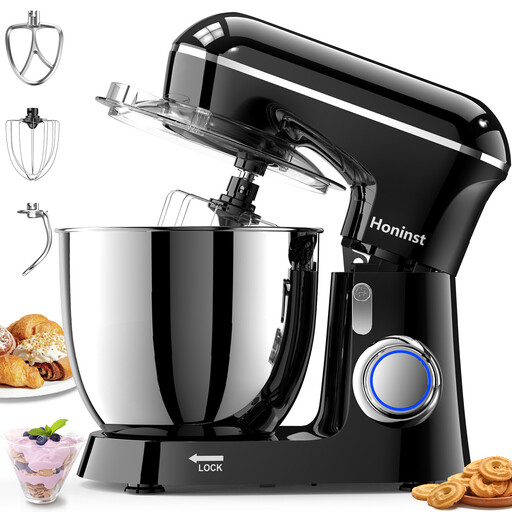 Image unavailable
For kneading, whisking and mixing, the listing specifies a dough hook, whisk, beater and 6.5 QT bowl. Compare the maximum dough quantity with your batch sizes rather than relying on bowl capacity alone.
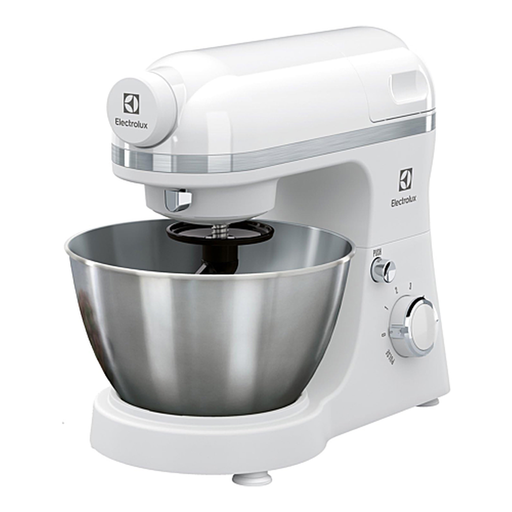 Image unavailable
Worth considering if kneading and whisking are regular tasks for you. The model is listed with a 4.1 L bowl; check which quantities of dough suit your recipes.
It can handle some preparations if the right accessories are included or compatible. If you often make bread, brioche or large batches of cakes, it’s worth comparing stand mixers separately: UFC-Que Choisir highlights this use in its buying guide. Check how much dough the model you choose can handle.
Compare the quantities specified for the food you actually make, then check which accessories you’ll need. Magimix states that the CS 5200XL has a usable capacity of 1.8 L, while Bosch says the MUMS6ZS00 can handle up to 3.5 kg of cake mixture: these figures relate to different preparations, so they aren’t a direct comparison of capacity.
No: check the contents of the pack for the exact model. In its testing process for food processors, UFC-Que Choisir distinguishes between the main functions and tests of extra accessories, which are only carried out when those accessories are supplied.
Check how many parts need washing, the bowl size and whether each part of the specific model is stated to be dishwasher-safe. Also make room for any accessories you’ll use often.
The DGCCRF states that the statutory guarantee of conformity is compulsory for new, second-hand and refurbished goods sold by a business to a consumer. It covers issues with conformity and is separate from a commercial guarantee; keep your proof of purchase so you can contact the seller if a fault arises.