
Livraison le jour même ou le lendemain

Qualité garantie

Débloquez vos offres de bienvenue: Livraison GRATUITE | Jusqu'à -80 % | 30 jours d'essai gratuits à JoyPlus
Téléchargez l'application
Properly storing your food is essential for reducing waste, preserving the flavour of your dishes, and better organising your kitchen. However, faced with a jungle of options on the shelves, it's easy to get lost in marketing promises and choose products that ultimately don't deliver. From leaky bags to supposedly reusable solutions that fall apart after two washes, disappointments are common.
As a product expert at Joybuy, I'm here to help you see things more clearly. Let's review the pitfalls to avoid and the criteria that truly matter when choosing worthy food packaging solutions.
Before you fill your cart, watch out for these three common mistakes that can cost you dearly, both in money and peace of mind.
For effective and safe food storage, three technical criteria must be scrutinised.
The choice of material directly impacts safety, durability, and storage effectiveness.
The seal is often the weak point. Whether you're storing leftovers, vegetables for the week, or even delicate ingredients like rice paper, a good seal is crucial.
In France and the EU, the "food contact" logo (a glass and fork symbol) is a prerequisite. It guarantees that the material is suitable for contact with foodstuffs. Certifications like Origine France Garantie (French Origin Guaranteed) can also be an indicator of quality and adherence to strict production standards.
To help you make the right choice, here are a few options that meet specific needs while avoiding the pitfalls we've mentioned.
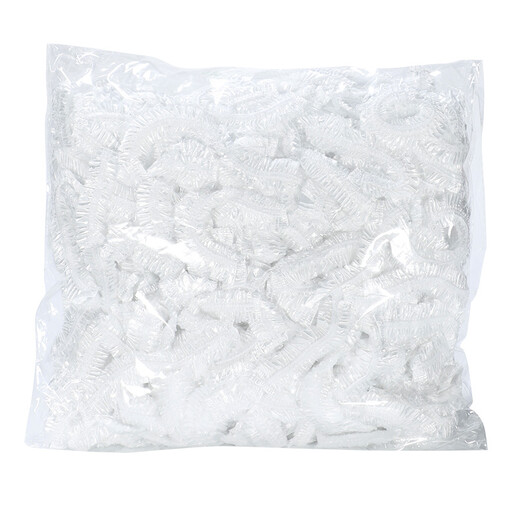
The ideal user: Perfect for quickly covering salad bowls, leftovers, or proofing dough. The bulk quantity is ideal for heavy daily use without the hassle of unrolling and cutting plastic wrap every time.
It bypasses the "non-durable reusable" trap by offering a cost-effective and practical disposable solution. Instead of promising lifelong durability, it provides a large quantity of reliable covers for single use or a few light reuses.
Universal elastic design that fits almost any size of dish and bowl. Refrigerator and microwave compatible (for reheating).
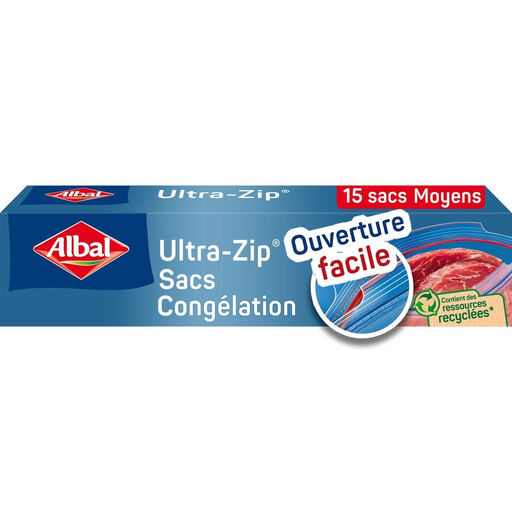
The ideal user: Ideal for those who prep meals in advance and freeze individual portions. Reliability is essential to preserve food quality over several weeks and prevent freezer burn.
It directly addresses the "unreliable seal" pitfall with its double-zip closure. This system ensures a secure, airtight seal, effectively protecting against leaks and odour transfer.
Reliable double-zip closure for an airtight seal. Made with 70% recycled materials, a bonus for more responsible consumption.
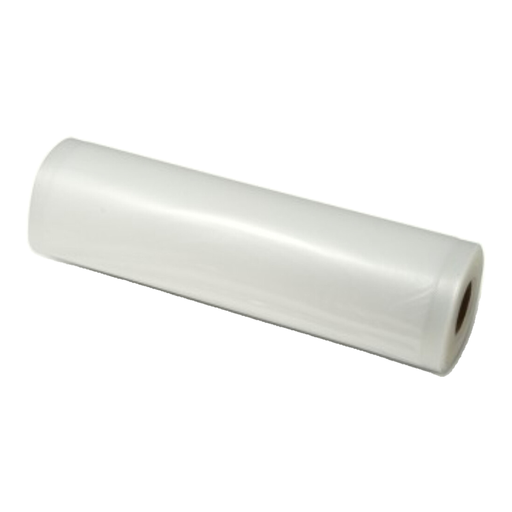
The ideal user: Designed for sous vide enthusiasts and those seeking very long-term storage. This type of bag is essential for optimally preserving the texture and nutrients of food.
It avoids the pitfall of materials unsuitable for extreme uses. This roll is specifically designed to withstand sous vide cooking up to 100°C and freezing, while being guaranteed BPA- and phthalate-free.
Micro-channel structure for optimal air extraction with a vacuum sealer. The roll format allows you to create custom-sized bags.
We have selected a full range of products that meet these quality criteria and current safety standards.
Yes, but their lifespan depends on their design and how they are used. The PE models, like those in our selection, are washable and can be reused several times, especially if they have held dry or low-fat foods. To extend their life, wash them by hand with a mild detergent and let them air dry. They aren't meant to last forever, but their value for money makes them a very practical alternative to plastic wrap.
A standard freezer bag protects food by allowing you to manually push out the air before closing the zip. It's an effective solution for storage lasting from a few weeks to a few months. A vacuum sealer bag requires a machine that removes almost all the air before sealing the bag. This process significantly slows down oxidation and bacterial growth, allowing for much longer storage and better preservation of food quality.
The use of aluminium foil is considered safe by health authorities for most cooking and storage applications. As a precaution, it is recommended to avoid direct and prolonged contact with highly acidic (like lemon, rhubarb, or tomato sauce) or very salty foods. For these foods, a PE plastic wrap or a glass container are preferred alternatives.