
Livraison le jour même ou le lendemain

Qualité garantie

Débloquez vos offres de bienvenue: Livraison GRATUITE | Jusqu'à -80 % | 30 jours d'essai gratuits à JoyPlus
Téléchargez l'application
Is your dog constantly scratching, suffering from red skin, or experiencing recurring digestive issues? These warning signs often point to a food sensitivity. To restore their comfort, changing their diet is a crucial step. But with so many options crowding the shelves, how do you make the right choice?
As the Head of Product Recommendations at Joybuy, my mission is to decode the market for you. This guide provides everything you need to choose the right formula and presents our selection of kibble specially designed for delicate stomachs and skin.
Before filling their bowl, you need to know how to read the label. A food for a sensitive dog isn't chosen at random. Here are the essential criteria to scrutinise to ensure you get it right.
This is often where the problem lies: proteins are the primary suspects when it comes to adverse reactions. Opting for a recipe with a single, novel protein source (like fish, lamb, or duck) is an excellent strategy to limit risks. A fish-based kibble, for example, is a popular choice because this protein rarely causes intolerance. This is the core principle of so-called hypoallergenic formulas, which rely on simplicity with carefully selected ingredients.
A short, clear ingredient list is always a good sign. For a dog with sensitive digestion, prioritise recipes without gluten-rich grains (like wheat). Instead, look for easily digestible carbohydrate sources, such as potato or quinoa. The presence of prebiotics (FOS, MOS) and fibre is a real bonus for supporting their gut flora.
In cases of a confirmed allergy or severe sensitivity, a veterinary diet becomes a serious option. These therapeutic foods are custom-formulated to manage specific health issues. Their secret? Hydrolysed proteins, which are "pre-digested" into particles so small that the immune system no longer identifies them as a threat. Of course, this path must be discussed with your veterinarian.
Here are our top picks for formulas designed for dogs with sensitive skin or stomachs.
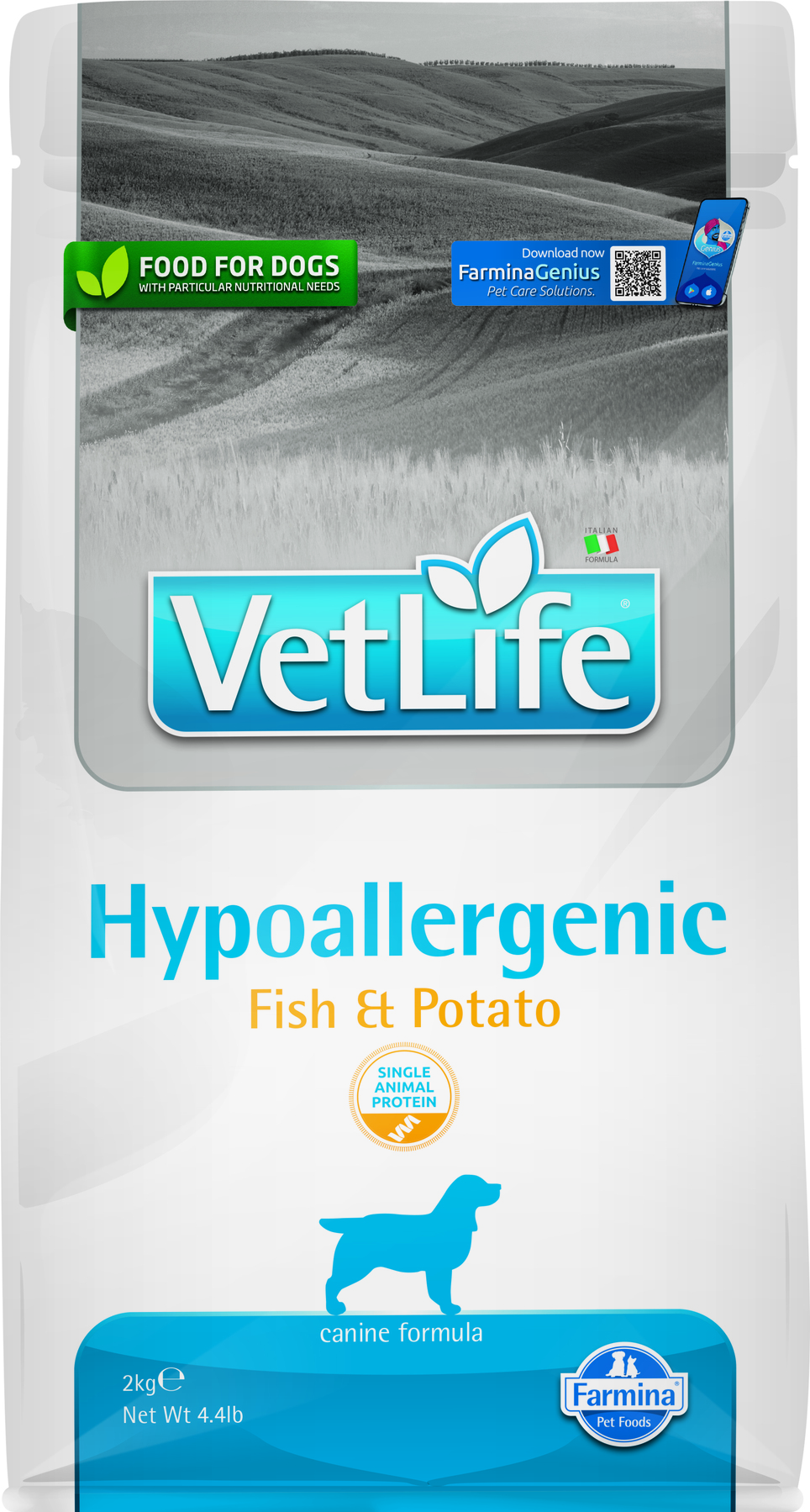
What makes it different The Vet Life range specialises in therapeutic foods. This recipe relies on a minimalist ingredient list to minimise the risk of reactions. It combines a single animal protein source (fish) with a single carbohydrate source (potato). Simple and effective.
Highlights
Who is it for? Ideal for adult dogs with skin or digestive reactions. It is also perfectly suited for implementing an elimination diet, under veterinary supervision.
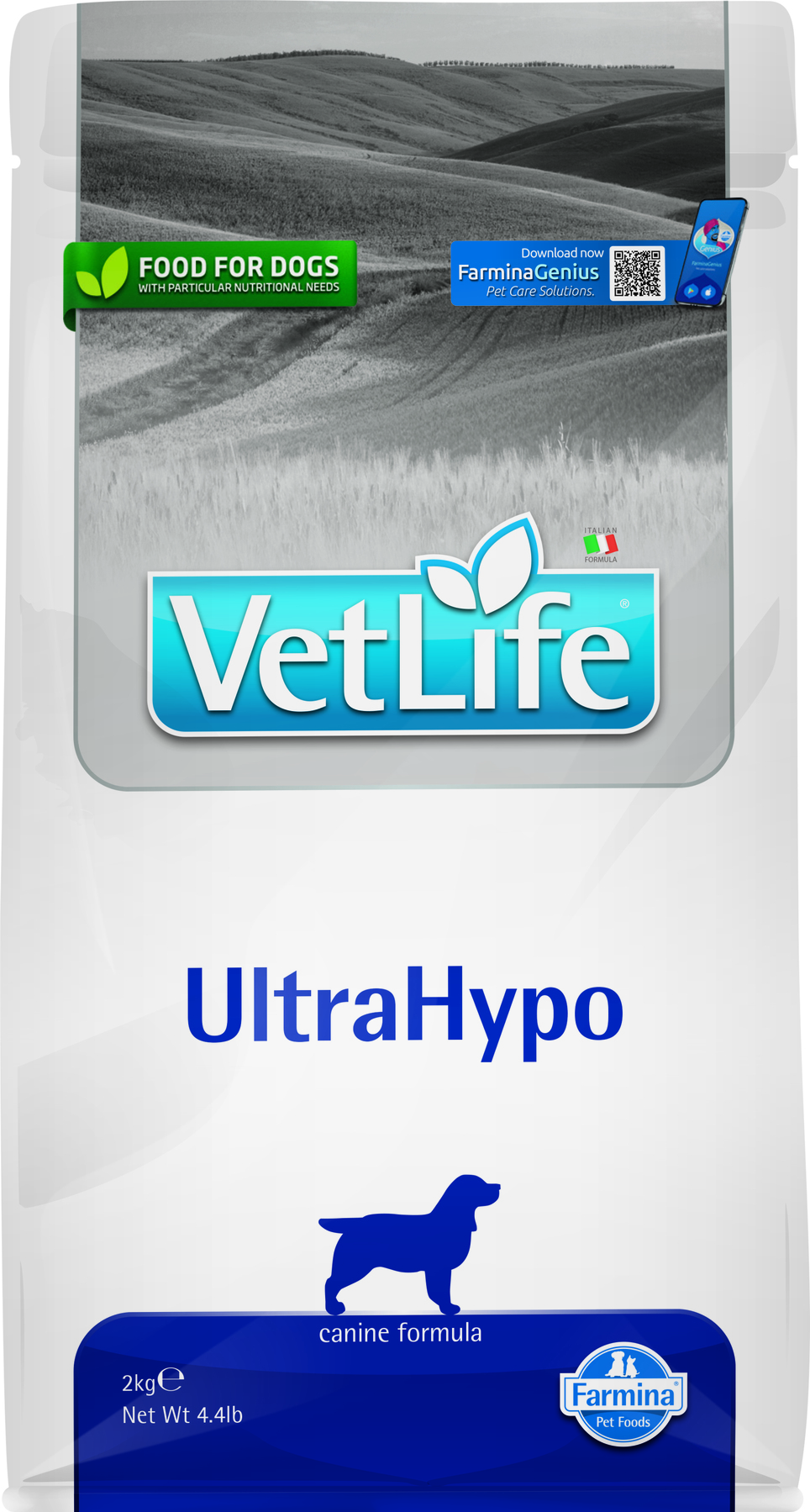
What makes it different This hypoallergenic kibble takes it to the next level by incorporating hydrolysed fish proteins. This process of "breaking down" the proteins drastically reduces their allergenic potential. Purified rice starch, the sole carbohydrate source, completes this cutting-edge formula.
Highlights
Who is it for? For dogs suffering from stubborn food allergies or for implementing a strict elimination diet, always in consultation with a veterinarian.
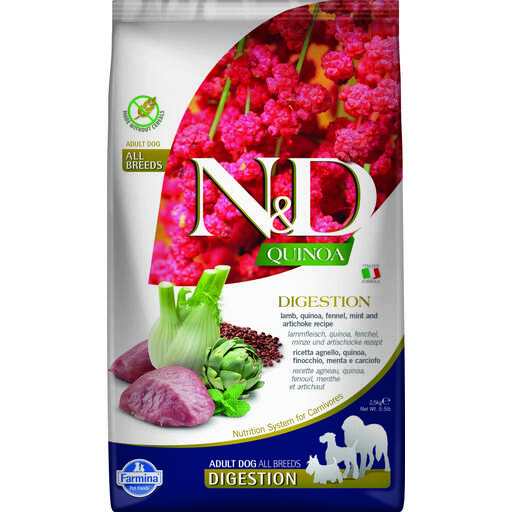
What makes it different The N&D Quinoa line stands out for its grain-free recipes packed with functional ingredients. This "Digestion" version was designed to restore balanced intestinal transit. It combines lamb, a highly digestible protein, with quinoa, a "superfood" rich in amino acids and natural fibres.
Highlights
Who is it for? Perfect for dogs prone to sensitive digestion, flatulence, or unpredictable bowel movements, who don't necessarily have associated skin problems.
If you want to explore avenues other than dry food, alternatives are available. The BARF (Biologically Appropriate Raw Food) diet, which involves feeding your pet raw meat, bones, and vegetables, is winning over more and more owners.
Curious about this method? We invite you to browse our dedicated selection. ? Discover our selection of options for BARF dog food.
A hypoallergenic food aims to bypass an immune system reaction by using novel or hydrolysed proteins. A formula for sensitive digestion, on the other hand, focuses on digestive comfort: it relies on highly digestible ingredients and is enriched with fibre or prebiotics to support the gut.
The dietary transition must be gradual, over 7 to 10 days. On the digestion front, improvements can be rapid. For skin issues (itching, redness), however, you'll need more patience: allow 8 to 12 weeks for the skin and coat to regenerate to see the full benefits.
Yes, it's essential. A veterinarian can confirm that your dog's symptoms are indeed due to a food sensitivity and rule out any other medical conditions. They can guide you to the most suitable diet and oversee the transition, especially if you are considering a therapeutic formula.