
Livraison le jour même ou le lendemain

Qualité garantie

Débloquez vos offres de bienvenue: Livraison GRATUITE | Jusqu'à -80 % | 30 jours d'essai gratuits à JoyPlus
Téléchargez l'application
Itching, digestive issues, a dull coat... Finding the ideal food for a four-legged companion with delicate health can quickly become a real challenge. The market is flooded with promises, but not all formulas are created equal. As a product expert at Joybuy, my mission is to help you decode labels and navigate marketing traps to make the best choice for your pet's well-being.
This guide focuses on the essential criteria to check before buying food for a sensitive dog, teaching you how to distinguish marketing claims from real nutritional benefits.
Venturing down the pet food aisle can be confusing. Many well-meaning owners fall into common pitfalls that can delay their dog's improvement, or even make things worse.
The systematic "grain-free" lure: The grain-free and gluten-free label has become a massive selling point. While some grains like wheat or corn can be allergens, simply replacing them with other starch sources (like potatoes or large amounts of peas) doesn't guarantee better digestibility. The problem isn't always the grain itself, but the overall quality and balance of the recipe.
Vague ingredient lists: Beware of ambiguous wording like "meat and animal by-products" or "cereals." These generic terms allow manufacturers to change ingredients from one batch to the next based on raw material costs. For a sensitive dog, this instability is a guaranteed source of digestive or skin problems. A quality natural dog food must list each ingredient precisely and transparently.
The "exotic" protein race: Kangaroo, ostrich, bison... These proteins are often marketed as a miracle solution. Although a novel protein can be useful as part of a strict elimination diet, it's not a magic bullet. A more traditional but high-quality protein source, like in lamb-based dog food, is often just as effective and perfectly tolerated if the formula is well-designed.
To choose a food for a dog with difficult digestion or sensitive skin, it's crucial to focus on objective criteria. Here are the three non-negotiable points to scrutinise.
The choice of protein is the heart of the matter. For a sensitive dog, a single-protein formula is often the safest bet. This means it contains only one source of animal protein (for example, only lamb or salmon). This approach simplifies digestion and makes it easy to identify a potential intolerance.
A good formula for a sensitive dog doesn't stop at the "grain-free" label. It must be designed to be highly digestible as a whole.
The best recipes for sensitive dogs include nutrients that directly target the skin and digestive system.
Every dog is unique. Here are a few options that meet our selection criteria, adapted to different profiles of sensitive dogs.
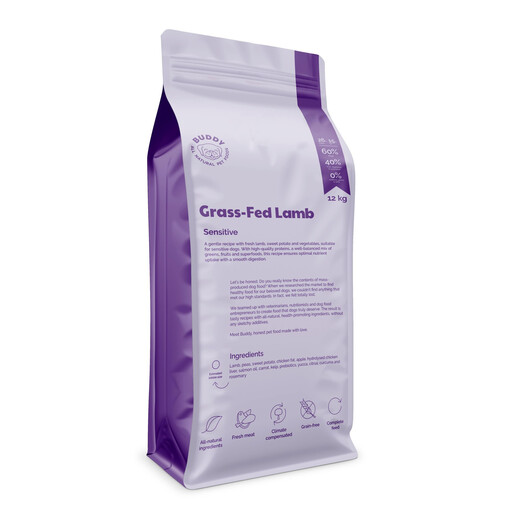
Why we recommend it: Perfect for owners who already know their dog tolerates lamb well and are looking for a high-quality, natural formula in a large format for excellent long-term value for money.
The ingredient list is transparent: fresh lamb (15%) and dehydrated lamb (35%) as the sole protein sources. No vague terms or hidden by-products.
Single-protein lamb formula, free from grains and gluten. Contains superfoods like kelp and turmeric to support digestion and overall health.
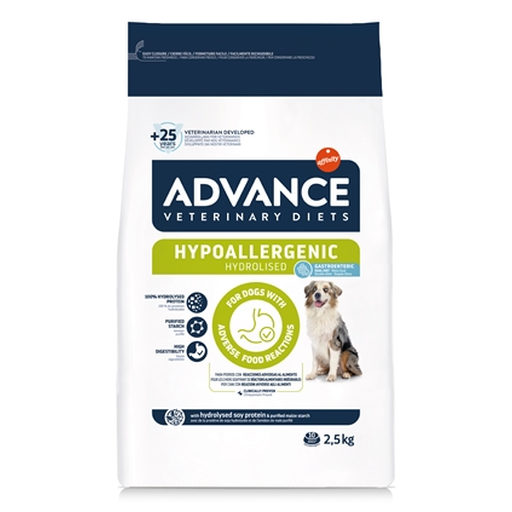
Why we recommend it: Designed for dogs with severe food intolerances, when a simple "sensitive" diet is no longer enough. This is a dietetic food, often the first step in an elimination diet prescribed by a veterinarian.
Goes beyond "grain-free" by using a hydrolysed soy protein. Hydrolysis breaks it down into fragments so small that the immune system no longer recognises it as an allergen.
A complete dietetic food with a single source of hydrolysed protein and purified carbohydrates to minimise any risk of reaction. It is recommended to consult a veterinarian before use.
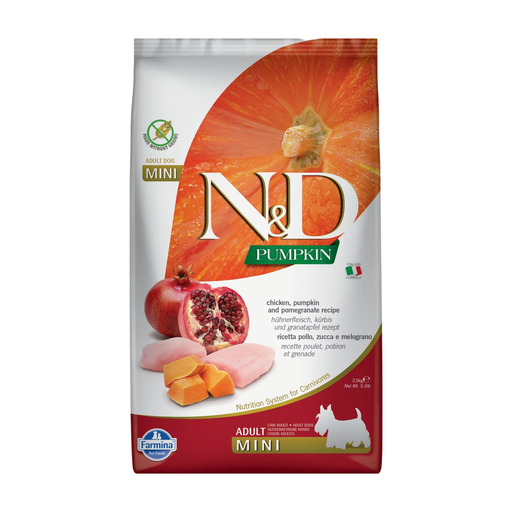
Why we recommend it: The perfect solution for small dogs with fragile digestion. The kibble size is adapted, and the formula is designed to be both ultra-nutritious and easy to digest.
This formula avoids grains and filler starches, relying on pumpkin, an ingredient renowned for its digestive benefits.
Very high content of animal-origin ingredients (96%) for optimal nutrition. Grain-free formula with functional ingredients to support the digestion of small breeds.
We have compiled a complete and updated list of products that meet these strict selection criteria and current regulations.
Any dietary transition should be done gradually over 7 to 10 days, by progressively mixing the old and new food. Digestive improvements (firmer stools, less gas) can appear within one to two weeks. For skin issues like itching, you often need to wait 4 to 8 weeks to see a noticeable change, as it takes time for the skin and coat to renew.
Not necessarily. If a dog has no proven allergy or intolerance to grains, a high-quality formula containing whole grains (like oats or brown rice) can be perfectly healthy and digestible. The most important factor remains the overall quality of the ingredients, the digestibility of the protein, and the absence of allergens specific to your dog.
The most common signs of a food intolerance or allergy are: