
Livraison le jour même ou le lendemain

Qualité garantie

Débloquez vos offres de bienvenue: Livraison GRATUITE | Jusqu'à -80 % | 30 jours d'essai gratuits à JoyPlus
Téléchargez l'application
Neutering is a pivotal moment for your cat's health, but be aware that it also significantly alters their metabolism. Their energy needs drop by about 30%, while their appetite tends to skyrocket. It's the perfect recipe for weight gain and the associated health issues. Choosing the right food for neutered cats isn't a luxury—it's a necessity.
The problem is, when faced with shelves overflowing with marketing promises, it's easy to make the wrong choice. Too many well-meaning owners buy kibble that is ultimately unsuitable for their cat's needs. Let's review the most common mistakes to help you navigate the options.
To navigate the jungle of kibble for neutered cats, you need to know how to decipher a label and focus on what truly matters. Here are the three key points to check before you buy.
Even though your neutered cat needs fewer calories, their protein requirements don't decrease. Protein is essential for maintaining their muscles. A good weight control kibble for neutered cats should feature:
This balance is the key to helping your cat maintain a healthy weight without constantly begging for more food.
Protecting their urinary system is another cornerstone of a neutered cat's diet. Stones (like struvites) are prone to developing in urine that is too concentrated or has an improper pH. A quality formula must ensure:
Fibre is a true ally. For a neutered indoor cat, who is often less active, it's absolutely essential.
Fibre sources like beet pulp or cellulose are commonly used for their beneficial properties.
Every cat is different, with its own lifestyle and sensitivities. We've selected several tried-and-tested options, each tailored to a specific type of cat (and owner!).
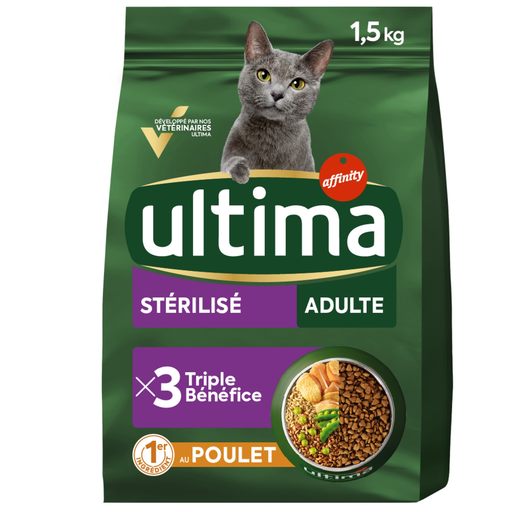
Why we love it: This kibble offers an excellent nutritional balance to manage weight and urinary health without sacrificing the essentials (like chicken protein), all at a budget-friendly price.
Unlike vague formulas, this one is clear: a well-calibrated protein/fat ratio (35%/12%) and a specific ingredient to help maintain a healthy urinary pH.
A complete formula developed by veterinary nutritionists with a targeted dual focus: weight and urinary system health.
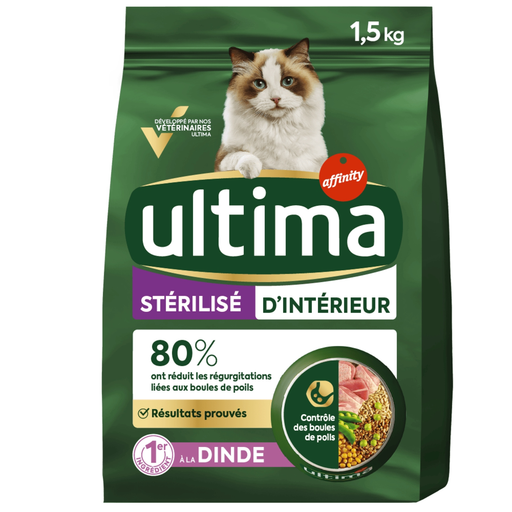
Why we love it: Perfect for indoor cats who are less active. This formula is designed to control their weight while also combating hairballs, the number one issue for indoor cats.
It's more than just a standard "neutered" formula. It includes specific fibres (cellulose, beet pulp) that promote satiety and healthy digestion—a direct response to a more sedentary lifestyle.
Dual action: weight management and an anti-hairball formula. All with turkey as the primary protein source.
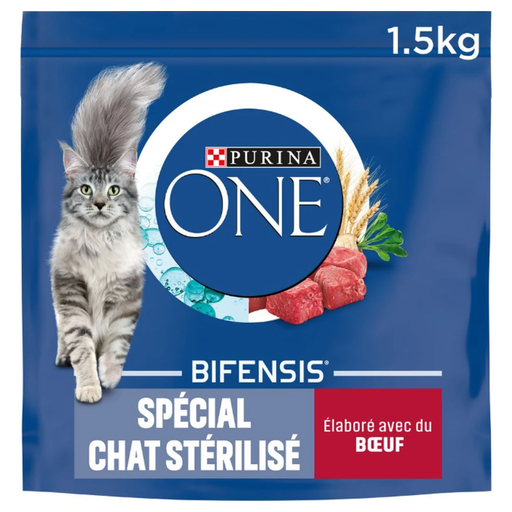
Why we love it: For owners who want to go the extra mile and support their cat's overall health, particularly their immune system and gut microbiome.
It doesn't stop at basic nutritional balance. Its BIFENSIS formula, with lactobacillus, is designed to actively support the gut microbiome—an often-overlooked aspect of feline health.
Real digestive support thanks to prebiotics (chicory) and postbiotics. Its high protein content (37%) is a major plus for muscle mass.
We've curated a complete and up-to-date selection of products that meet our strict criteria and regulations.
The ideal daily portion depends on your cat's weight, activity level, and the specific kibble you choose. The easiest approach? Always follow the feeding guidelines on the package. As a general rule, a 4 kg adult neutered cat typically eats between 50 and 60 grams of kibble per day. Remember to monitor their weight regularly and don't hesitate to adjust the portion size, ideally after consulting with your veterinarian.
Absolutely! It's actually an excellent idea, often called mixed feeding. Wet food for neutered cats is high in water, which is a real bonus for their urinary system health. Kibble, on the other hand, helps with dental hygiene thanks to its mechanical "brushing" effect. To get started, simply reduce the amount of kibble to compensate for the calories from the wet food. Just be sure to choose a wet food that is also specifically formulated for neutered cats.
Any change in diet should be done gradually to avoid upsetting their digestive system. A 7 to 10-day transition is ideal:
This simple method allows their gut flora to adapt without any stress.