
Livraison le jour même ou le lendemain

Qualité garantie

Débloquez vos offres de bienvenue: Livraison GRATUITE | Jusqu'à -80 % | 30 jours d'essai gratuits à JoyPlus
Téléchargez l'application
Watching your four-legged companion lose mobility and suffer from joint pain is heartbreaking for any owner. Osteoarthritis, a degenerative joint disease, affects many dogs, especially older ones or those of certain breeds. A proper diet plays an essential supportive role in their comfort. However, the dog food for joint problems aisle is a jungle of marketing claims, which are often vague and confusing. To make the right choice, it's crucial to know how to avoid the most common pitfalls.
dog joint care diet incorporates a complex of ingredients.dietary relief for dog arthritis.To make an informed choice, it's not about finding a miracle solution, but about understanding the parameters that truly matter. Here are the points to check before any purchase.
The secret lies not in a single ingredient, but in a smart combination.
dog food with glucosamine and chondroitin that clearly displays the concentrations of both elements.Excess weight is the number one enemy of joints. A suitable diet must therefore have a specific nutritional profile:
Dietetic foods for conditions like osteoarthritis are specialised products. It is always recommended to consult a veterinarian before changing your dog's diet. This professional is the only one who can confirm the diagnosis, rule out other causes of pain, and guide you toward the formula best suited to your pet's overall needs, setting an appropriate duration of use.
Every dog is unique. Rather than a one-size-fits-all approach, it is wiser to choose a diet that matches their overall health profile. Here are a few options for different needs.
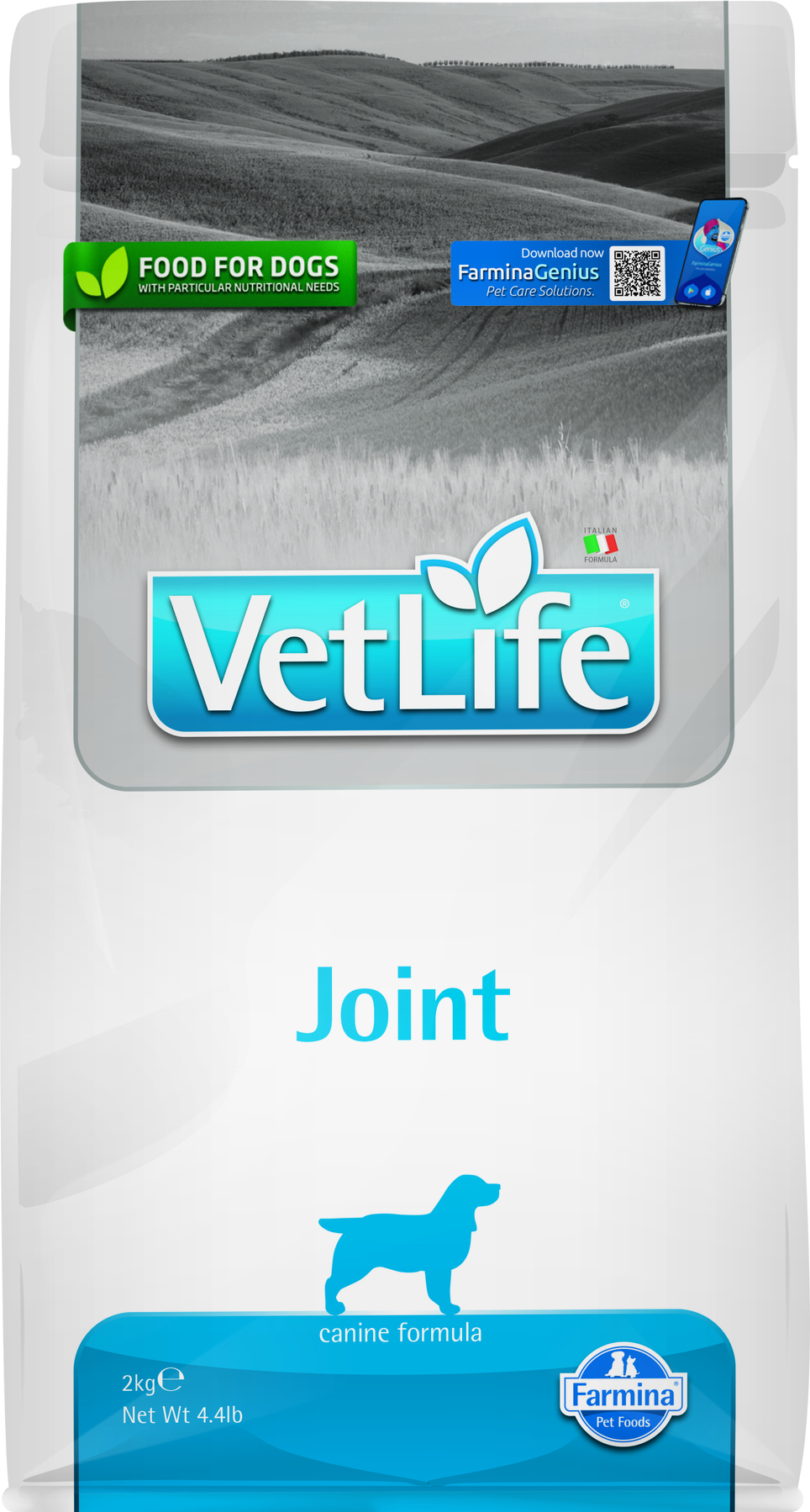
Who is it for? Designed for dogs whose primary need is nutritional support for osteoarthritis. A formula entirely dedicated to joint health.
This formula lists precise levels of glucosamine (1200 mg/kg) and chondroitin sulphate (900 mg/kg). This total transparency sets it apart from mere marketing claims.
It includes high levels of EPA (0.38%) and DHA (0.55%) fatty acids for their recognised benefits, along with a controlled energy content to facilitate weight management.
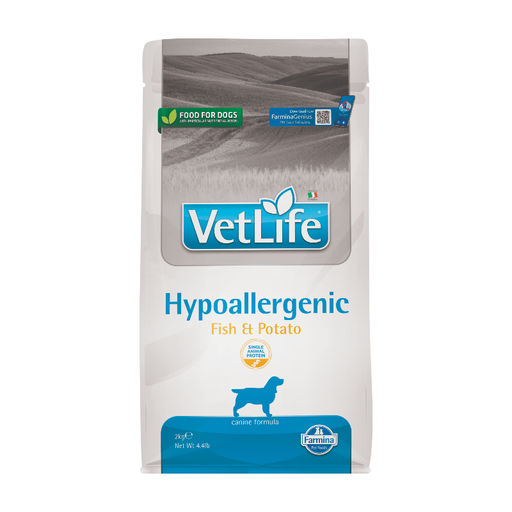
Who is it for? Ideal for dogs that suffer from joint problems while also showing food-related skin or digestive reactions.
This formula doesn't just manage allergies. By using fish as the sole protein source, it naturally provides beneficial Omega-3 fatty acids for the joints. No more choosing between relieving allergies or supporting joints.
A hypoallergenic formula that limits the risk of adverse reactions while providing joint support thanks to the natural properties of fish oil.
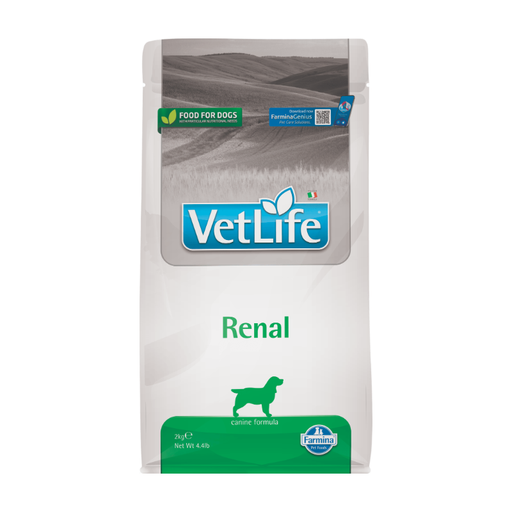
Who is it for? For older dogs that have multiple health issues, such as osteoarthritis and kidney failure. Managing multiple conditions requires a very specific dietary approach, which must be supervised by a veterinarian.
This formula is based on the principle that health problems are often linked and that a " one-size-fits-all " solution is an illusion. It shows the importance of targeting a primary condition (in this case, renal) as part of a comprehensive health plan.
A specific dietetic formula to support kidney function, with reduced phosphorus and protein levels. A common need in older dogs, which can coexist with joint pain.
Discover our complete selection of products that meet these rigorous selection criteria and current standards.
"Sensitive joint" kibble often aims for prevention or light support, for predisposed breeds or very active dogs. Arthritis dog food, on the other hand, is a dietetic food with a therapeutic purpose, featuring higher concentrations of active ingredients (glucosamine, chondroitin, EPA/DHA) and a nutritional profile formulated to manage a diagnosed condition. Its use must be supervised by a veterinarian.
The response varies from one dog to another. Generally, it takes several weeks, or even one to two months, to observe better mobility or a decrease in discomfort. Patience and consistency are essential. This food is part of a long-term management plan and is in no way a substitute for treatments prescribed by your veterinarian.
Giving a therapeutic food to an animal that doesn't need it is generally not recommended. These formulas have a specific nutritional balance (calories, minerals, etc.) that is optimised for a precise medical condition. For a healthy dog, even one from a high-risk breed, it's better to opt for a high-quality diet suited to its age and activity level, which may contain more moderate levels of joint support. Ask your veterinarian for advice.