
Livraison le jour même ou le lendemain

Qualité garantie

Débloquez vos offres de bienvenue: Livraison GRATUITE | Jusqu'à -80 % | 30 jours d'essai gratuits à JoyPlus
Téléchargez l'application
Buying food flours and starches may seem simple… until your dough becomes too dense, your sauce refuses to thicken or your dumpling wrappers tear during cooking. In France, the available options cover a wide range of uses: baking, breadmaking, pasta, Asian cuisine, Latin American recipes, gluten-free desserts and Indian specialities.
The pitfall is choosing a product based on a general promise without checking its ingredients or pack size. Here are the criteria to check before stocking your cupboards.
T45 wheat flour is generally suitable for delicate preparations, crêpes, cakes and certain sauces. It behaves differently from T150 wholemeal flour, which contains all parts of the grain and produces denser, more rustic doughs. Flour designed for bread or pasta can therefore significantly alter the texture of a cake or pastry.
The term “versatile” does not mean that the product is suitable for every recipe in the same proportions. Always check the flour type, its protein content when stated and the usage advice on the packaging.
A 5 or 10 kg sack can reduce the price per kilo, but it requires suitable storage. Moisture, heat and insects can quickly damage the powder. For occasional use, a 250 g, 400 g or 1 kg pack helps to reduce waste.
Conversely, a family that regularly makes bread, chapatis or arepas may benefit from buying in larger quantities, provided the product is transferred to an airtight container.
Tapioca starch or maize flour may naturally be gluten-free. However, people with allergies or intolerances should check the full labelling and look for any warnings about cross-contamination. A dumpling mix made with wheat starch, for example, contains gluten even if it also includes tapioca or potato.
Read the ingredients list rather than relying solely on the product name. A starch advertised as containing 100% tapioca behaves differently from a hakau mix made with wheat starch, tapioca starch, potato starch and salt.
For a vegetarian or vegan diet, check that there are no animal-derived ingredients. If you follow a halal diet, look for certification clearly stated on the product. You cannot determine whether a product is “allergen-free” from the appearance of the powder: this must be confirmed on the label.
Once opened, store flours and starches in a cool, dry place away from light. Products such as Turkish semolina, durum wheat semolina or chakki atta flour can be bought in large sacks if you regularly prepare pasta, couscous, rotis or parathas.
Self-raising flour already contains raising agents. It can simplify the preparation of cakes, scones and certain pastries, but it does not automatically replace plain flour in every recipe.
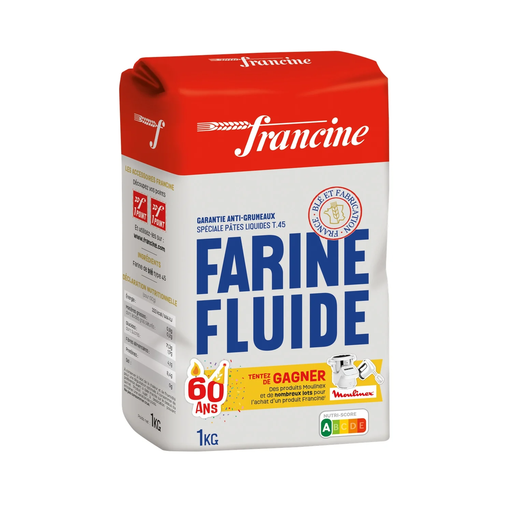
Why this choice suits this profile : The 1 kg pack lets you try out recipes without building up a large stock. It is suitable for everyday preparations such as crêpes, waffles, fritters and sauces.
The practical pack size reduces the risk of ending up with unsuitable flour or allowing it to deteriorate after opening.
T45 wheat flour in a 1 kg pack, with a stated protein content of 10.1 g per 100 g.
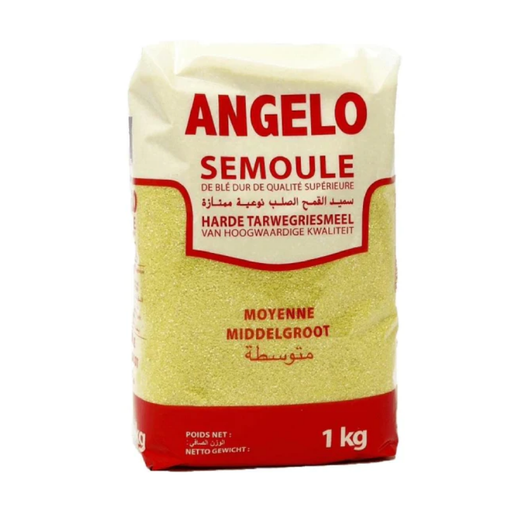
Why this choice suits this profile : Its medium grind lets you create a range of Mediterranean and Turkish recipes, from desserts to homemade fresh pasta.
Its precise composition — 100% durum wheat semolina — prevents medium semolina from being confused with fine wheat flour.
1 kg pack, stated halal certification and intended uses including couscous, pasta, gnocchi and Turkish desserts.
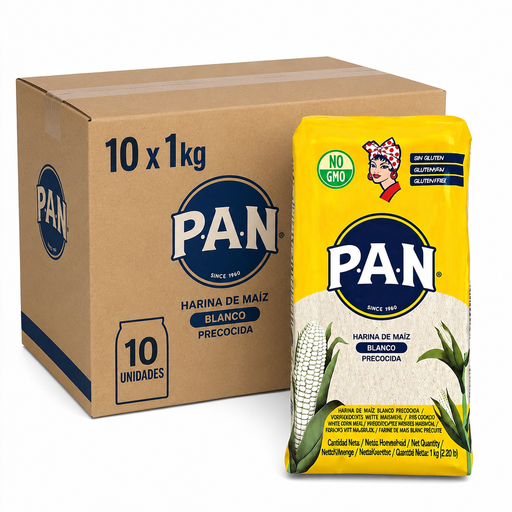
Why this choice suits this profile : This pack of ten 1 kg bags is aimed at families and kitchens that regularly prepare arepas, empanadas or tamales.
This precooked maize flour is clearly intended for making a dough with water. It is therefore not designed to replace wheat flour.
Precooked white maize, with no preservatives, colourings or artificial flavourings according to the product information, and with halal and kosher indications.
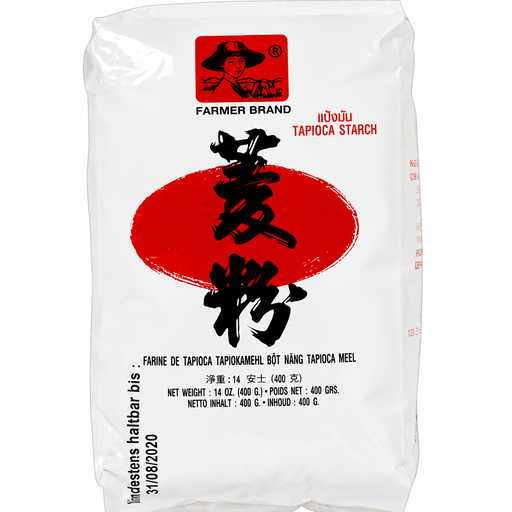
Why this choice suits this profile : Its compact size is suitable for sauces, desserts, baking and recipes that need extra flexibility.
Its stated composition — 100% tapioca starch — distinguishes it from dumpling mixes that contain wheat.
Fine powder with a neutral flavour, no declared allergens and described as gluten-free in the product information.
We have put together a comprehensive, real-time selection of products that meet these exacting criteria and European food safety regulations.
Tapioca starch, also known as tapioca flour, is extracted from the cassava root. It consists mainly of starch and is used to thicken a preparation or alter its texture. It does not always replace wheat flour, particularly in breads that require a gluten-based structure.
Transfer it to a clean, completely dry, airtight container and keep it away from heat and moisture. Make a note of the opening date and follow the best-before date shown on the packaging. For larger packs, dividing the contents between several containers can help avoid repeatedly opening the product and limit exposure to air.
For classic dumplings, wheat flour is generally suitable. For hakau or certain translucent preparations, choose rice flour and dumpling mix or a specially formulated blend made with wheat starch, tapioca and potato starch. Check the allergens carefully before buying: these products are not necessarily gluten-free.