
当日/次日达

品质保障

开启新人专享福利: 全场免邮 | 低至 2 折 | 免费试用 30 天 JoyPlus 会员
下载 Joybuy
From leaky boxes and impossible-to-clean lids to tableware that is poorly suited to everyday use, buying food containers and kitchenware deserves careful consideration. At home or in a restaurant, the wrong choice can quickly lead to repeated replacements, poorly optimised storage or a presentation that leaves something to be desired.
Here are the criteria to review before ordering, along with a selection suited to a range of users and purposes.
A transparent box or attractive piece of tableware does not guarantee practical use. Check its dimensions, capacity and compatibility with your cupboards, fridge and dishwasher. A large container may be perfect for a family meal, but less suitable for an individual portion or lunch bag.
When choosing tableware, also consider stability, ease of handling and the space it will take up once stored.
The term ‘airtight seal’ should be checked against the lid’s actual design: a silicone seal, clip system or simply a lid placed on top. A box may close effortlessly while still allowing liquids to escape.
For airtight food storage containers, make sure the lid fits the container correctly and that the seal can be removed easily for cleaning. If it is not dried properly, it can retain odours and moisture.
Not all materials can withstand the oven, freezer or microwave. Some plastic containers are not designed for very hot liquids. Even glass that is resistant to temperature changes can crack if moved abruptly from the freezer to a heat source.
Check the manufacturer’s instructions before any specific use and dispose of any item showing a crack, chip or deformation.
BPA-free plastic is lightweight and practical to carry. It is suitable for prepared meals, snacks and everyday storage, provided you follow the temperatures specified by the manufacturer.
Glass allows you to see the contents immediately and is generally highly resistant to lingering odours. Borosilicate glass containers are designed to withstand greater temperature differences than some standard glass products. However, this does not make them immune to extreme thermal shock.
For serving, glass verrines, bowls and transparent dishes showcase colours and textures beautifully. In return, they require greater care when being handled.
Choose sizes according to your habits:
For storage jars, the width of the opening is just as important as the capacity. A narrow opening can make filling and cleaning more difficult, particularly when using flour, rice or cereals.
Dishwasher compatibility can save valuable time, but not all components can be cared for in the same way. Lids with a removable seal should be dried separately. Bamboo, meanwhile, should generally be washed by hand and must not be left to soak in water.
Stackable designs make kitchen storage easier. Before ordering, measure the available height in your cupboards and check that the lids will remain easy to reach. For professional use, also consider the number of pieces per carton, washing frequency and how easy it will be to replace missing components.
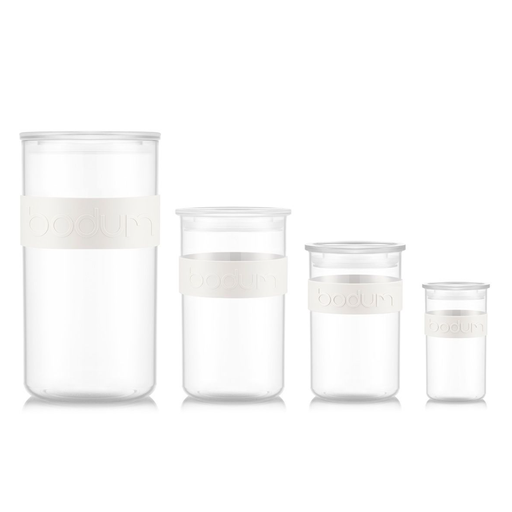
Why this choice suits this user profile : This 12-piece set covers four capacities, from 0.25 to 2 litres. It is an easy way to create a consistent storage system without buying every size separately.
The different sizes help prevent an accumulation of mismatched boxes. The manufacturer states that they have an airtight closure and recommends checking their suitability for use with heat.
12 pieces, BPA-free plastic as stated and stackable sizes enhanced with a touch of white.

Why this choice suits this user profile : Its 2-litre rectangular format is ideal for prepared meals, leftovers and meal prep, while giving you a clear view of the contents.
The silicone seal can be removed for easier cleaning. The lid must be removed when using it in the microwave, and the manufacturer advises against extreme thermal shock.
Borosilicate glass, a 2-litre capacity and stated compatibility with the dishwasher, freezer and microwave.
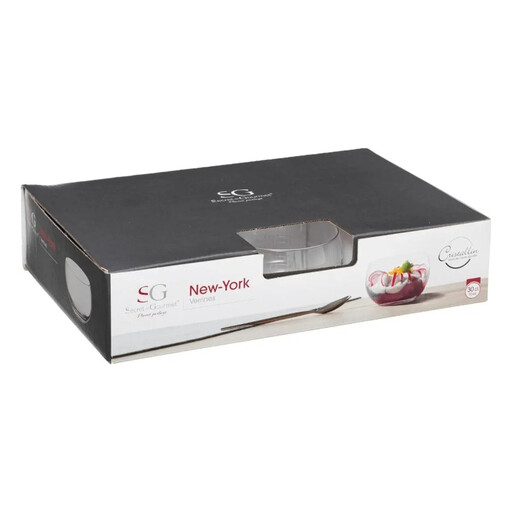
Why this choice suits this user profile : This 27 cl cylindrical verrine is equally suited to hosts who enjoy entertaining and catering professionals. It is ideal for tapas, desserts and appetisers.
Its capacity and dimensions help you plan portions and storage space before buying, rather than choosing based on appearance alone.
27 cl format, transparent glass, cylindrical design and packaging stated as suitable for professional use.
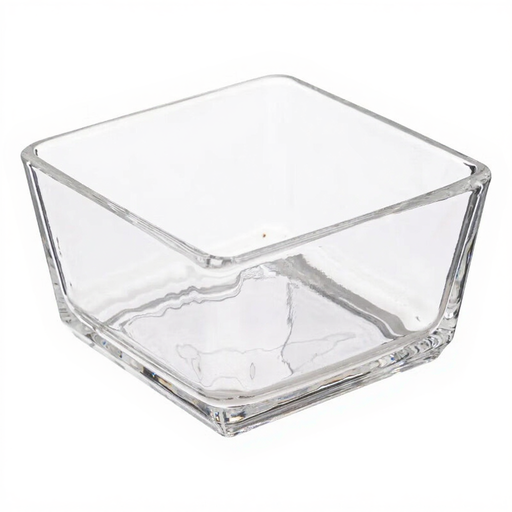
Why this choice suits this user profile : The bamboo tray and six glass bowls are ideal for appetisers, buffets, tapas and meals to share, whether at home or in a professional setting.
The different care requirements are clearly separated: the bowls are dishwasher-safe, while the tray should be wiped by hand and kept away from water.
A seven-piece set, glass bowls compatible with the dishwasher and microwave, plus a 28.5 × 19.5 cm tray.
We have brought together a complete, real-time updated selection of products that meet these exacting criteria and European safety regulations.
To extend the life of your kitchen accessories, a few simple habits can make all the difference:
For professional tableware, plan stock according to the number of covers served and periods of peak demand. 15 or 27 cl verrines, serving bowls and appetiser set items can complement existing tableware without requiring a complete replacement.
Glass is suitable for anyone looking to minimise odour retention and see the contents immediately. BPA-free plastic is lighter and more convenient to carry. The right choice depends on how you plan to use it, how much weight you are prepared to carry and the manufacturer’s guidance regarding cold, heat and dishwasher use.
Check for a seal, examine the closure mechanism and read the recommendations on the product page. Always close the lid on a clean, dry surface. When carrying liquids, keep the box upright, even if the manufacturer states that it has an airtight closure.
Not automatically. Some borosilicate glass models are stated to be microwave-safe, generally without their lids. The oven, grill and hob involve different requirements. Always consult the instructions and avoid sudden temperature changes.