
Livraison le jour même ou le lendemain

Qualité garantie

Débloquez vos offres de bienvenue: Livraison GRATUITE | Jusqu'à -80 % | 30 jours d'essai gratuits à JoyPlus
Téléchargez l'application
A food container might seem simple to pick… until the first stained bag, the lid that won’t close, or food that ends up mixed together after a few hours of transport. Whether it’s for a child at school, a lunch at the office, a meal prep session or a picnic, the priorities are different.
Before buying a lunch box or a set of food containers, three mistakes crop up time and again: being seduced by the design alone, overlooking the closure system, and choosing a capacity that doesn’t match your daily use.
A colourful lunch box might catch your eye, but its dimensions, weight and opening mechanism matter just as much. For a young child, the container needs to be easy to handle. On the other hand, a large storage box can quickly become bulky in a work bag.
Think about the shape, too. A rectangular model generally makes better use of space in a rucksack or fridge than a very rounded one.
An airtight container can reduce leaks, but its effectiveness depends on the lid design, the quality of the seal and the closure system. Sauces, soups and very liquid foods demand truly reliable leak-proofing.
For daily transport, go for models with clips, a removable seal or a lockable lid. Also follow the manufacturer’s recommendations and avoid turning the container upside down if that position isn’t advised.
Depending on the model, a glass food container may be suitable for the fridge, freezer or microwave. However, the lid usually needs to be removed before reheating. Stainless steel containers, on the other hand, must never go in the microwave.
The “dishwasher-safe” label may also apply only to the container itself, and not necessarily to the lid or seal. Check the instructions and inspect the container’s condition after several wash cycles.
For a snack or a child’s lunch, a small size can be more than enough. A children’s lunch box measuring 16 × 13 × 5 cm, like the PAW Patrol model featured below, easily holds a sandwich, some fruit and a snack. For an adult lunch, a capacity between 700 and 1,000 ml gives you more room.
Meal prep enthusiasts are better off choosing several containers of 1 to 2 litres. A 1.5-litre box works well for generous portions, while a range of sizes makes it easier to store leftovers, cereals and ingredients.
Whatever the material, look for food-contact information, usage warnings and the manufacturer’s recommendations. In France and the European Union, these details let you check that the product is intended for the use you have in mind.
A compartmentalised food container stops dry foods, fruit and sides from mixing together. It’s handy for children, balanced meals and portion control. Bear in mind, though: the dividers aren’t always leak-proof, so sauce can move from one compartment to another.
A clip-on lid, latch closure or multiple fastenings improve stability during transport. For a child’s bag, choose a simple opening, while making sure the lid stays firmly shut once the box is packed away.
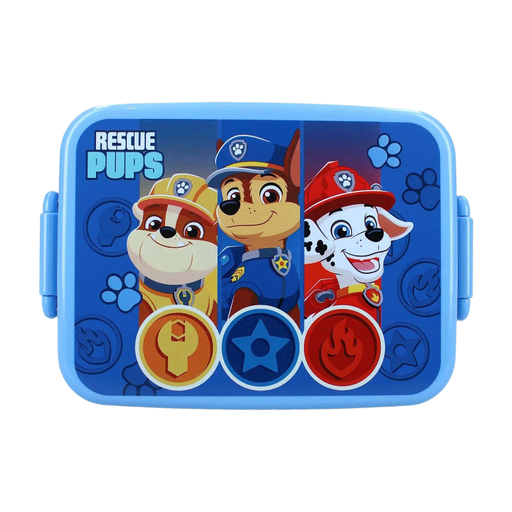
Why this choice suits this profile: Lightweight, this children’s lunch box is ideal for small portions, outings and school meals. Its dimensions of 16 × 13 × 5 cm are perfect for sandwiches, fruit and snacks.
Its press-to-close lid and compact size stop you from choosing a box that’s too bulky or fiddly to handle.
Made from plastic, lightweight with a press-to-close lid. Hand washing recommended. Not suitable for the microwave.

Why this choice suits this profile: With its 2-litre capacity and borosilicate glass, this container meets the needs of meal prep, fridge storage and family-sized portions.
The contents stay visible, and the removable silicone seal makes it easy to clean areas that might trap odours.
Dishwasher, freezer and microwave safe according to the manufacturer’s instructions. Remove the lid before reheating and avoid extreme temperature changes.

Why this choice suits this profile: This insulated food jar is designed for busy people, hikers and families who carry large amounts of hot or cold food.
Its wide opening makes filling, serving and cleaning easy. The lid with a seal is designed to minimise the risk of leaks.
316 stainless steel, 1.5-litre capacity and vacuum insulation claimed for 4 to 6 hours. Hand washing recommended.
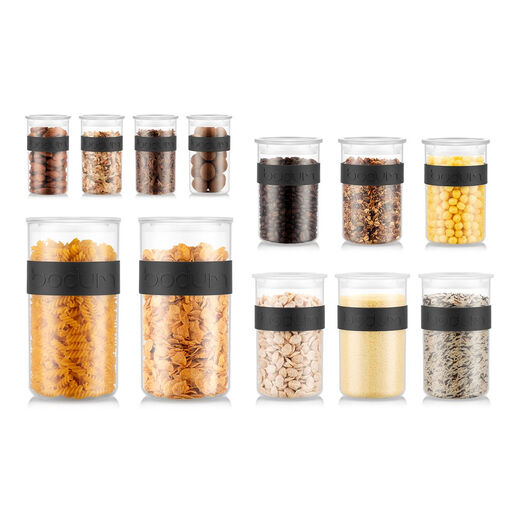
Why this choice suits this profile: This set of 12 boxes covers a wide range of needs, from small 0.25-litre portions right up to large 2-litre containers.
The variety of sizes stops you using a large container for a small amount and makes organising the fridge or cupboard much easier.
12 plastic containers, claimed BPA-free, with airtight lids and dishwasher compatibility.
We’ve put together a full, real-time updated selection of products that meet these demanding criteria, while taking European safety regulations into account.
A capacity of 700 to 1,000 ml is generally enough for a full lunch. For a hearty salad, a pre-prepared meal or several portions, it’s better to go for a 1.5 to 2-litre model. Also check that its dimensions are compatible with your bag.
Wash the container after each use, then dry the lid and seal thoroughly. If moisture remains, store them separately. Avoid abrasive sponges and stick to the maximum temperatures stated by the manufacturer. Replace the container if it’s cracked or warped, if the lid no longer closes properly, or if the seal is damaged.
Yes, as long as you’re happy with the weight and take care to protect it from knocks. For a child or a commute on public transport, plastic and stainless steel are often more practical. At home, for meal prep and organising the fridge, glass offers excellent visibility of the contents and is particularly pleasant to use.