
Livraison le jour même ou le lendemain

Qualité garantie

Débloquez vos offres de bienvenue: Livraison GRATUITE | Jusqu'à -80 % | 30 jours d'essai gratuits à JoyPlus
Téléchargez l'application
Finding the right food storage container can quickly become overwhelming. Between lunches at the office, weekly meal prep, or simply storing leftovers, everyone's needs are different. Should you opt for glass or plastic? A model with compartments or one large container? This guide breaks down the essential criteria and selects the best options for every use case. The goal? To help you make the right choice, cutting through the marketing jargon.
Before diving into our top picks, let's review the key points to consider to ensure you make the right decision.
The choice between glass and plastic is often the first dilemma. Each material has its own strengths:
A good food container must be functional.
To make your life easier, check the icons indicating the container's compatibility with:
To move from theory to practice, we've scrutinised several models on the market. Here is our selection, designed to meet a variety of needs.
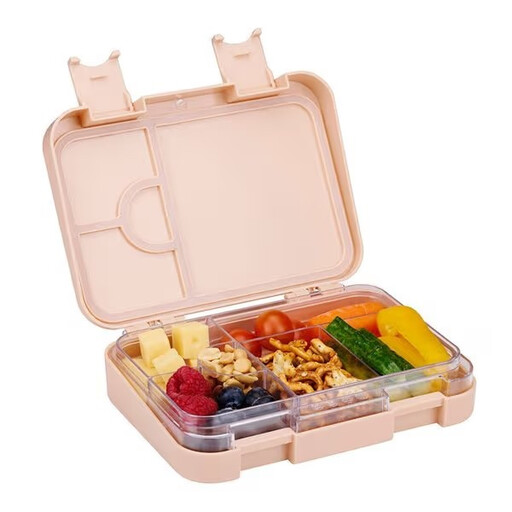
Key feature: Its clever six-compartment design makes it the perfect solution for organising a complete and varied meal, modern bento style.
What we like:
Who is it for? Perfect for professionals and students who want varied lunches, control their portions, and prevent flavours from mixing. Note: This model is not microwave-safe.
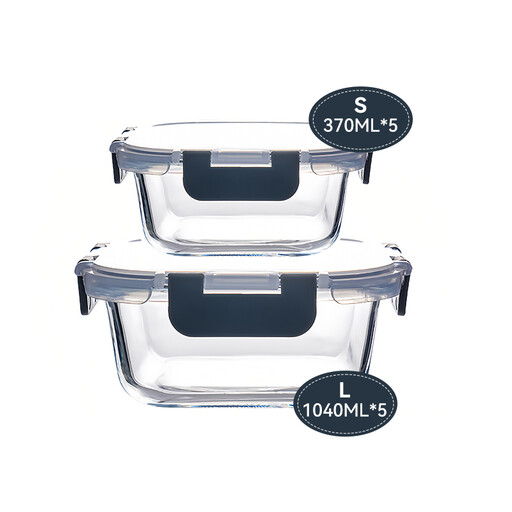
Key feature: This container set focuses on quality and versatility. Its secret? Borosilicate glass, renowned for its excellent resistance to thermal shock.
What we like:
Who is it for? Ideal for families and meal prep enthusiasts looking for a healthy, durable solution for everything: storing, freezing, cooking, and reheating.
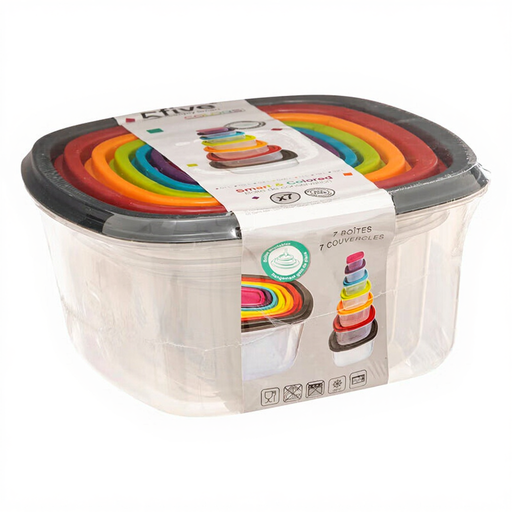
Key feature: An ultra-comprehensive set at a great price, which shines with its clever, nestable design for maximum space-saving in your cupboards.
What we like:
Who is it for? For anyone looking for a versatile and budget-friendly storage solution to organise the fridge and cupboards, from small leftovers to dry ingredients.
A well-organised kitchen is the first step towards a simpler daily routine. What if this new level of organisation inspires you to tackle the rest of the house?
While you're optimising your meal prep system, why not tackle the kids' room? Discover our selection of toy storage drawers and bring order and calm to your entire home.
A curry sauce, a garlic dish... and now your plastic container has a lingering smell. The simplest trick? Fill it with a mixture of warm water and baking soda (one tablespoon), then let it sit for several hours before rinsing. Diluted white vinegar is also an effective alternative. Afterwards, let the container air-dry without its lid.
Absolutely not. It is essential to check the manufacturer's instructions. As a general rule, borosilicate glass containers are microwave-safe, always without their lids. For plastic, only models marked "Microwave Safe" or with the corresponding icon (wavy lines) should be used. Heating a non-compatible plastic not only risks deforming it but could also release potentially harmful substances into your food.
The term "lunch box" is a generic term for any meal container. The bento, which originated in Japan, is a specific type of lunch box. Its defining feature is that it is compartmentalised, allowing you to arrange a complete, balanced, and visually appealing meal by separating the main dish, side, and dessert.