
Livraison le jour même ou le lendemain

Qualité garantie

Débloquez vos offres de bienvenue: Livraison GRATUITE | Jusqu'à -80 % | 30 jours d'essai gratuits à JoyPlus
Téléchargez l'application
Buying a folding table might seem straightforward. Yet, many models hide flaws that only become apparent with use. Whether it's for an impromptu picnic, setting up a balcony, or going camping, choosing the right model is crucial to avoid buyer's remorse. This guide breaks down the common pitfalls to avoid and helps you find the table that's truly right for you.
Marketing often highlights features that, in practice, turn out to be major weaknesses. Here are the red flags you should never ignore.
To avoid these disappointments, focus on three technical criteria that make all the difference.
The choice of material directly impacts your table's weight, durability, and maintenance.
Stability depends entirely on the frame's design. The most stable models use an X-frame design, which creates rigid, reinforcing triangles. This system distributes weight evenly and prevents the table from wobbling.
The folding mechanism is another key point. A table that folds in half (suitcase-style) is quick to set up but remains bulky. In contrast, a roll-up model, where the top and legs detach, offers unparalleled compactness for transport and storage.
Don't just look at its weight. A lightweight folding table is great, but not if it buckles under the weight of a single bottle! Always check the static load capacity specified by the manufacturer. For a family meal or a camping trip, a table must be able to support the weight of a cooler, dishes, and food without flinching. A good outdoor side table must therefore strike the right balance between being lightweight and having a high load capacity.
Here are some options that cater to different user profiles, taking into account the quality and practicality criteria we've discussed.
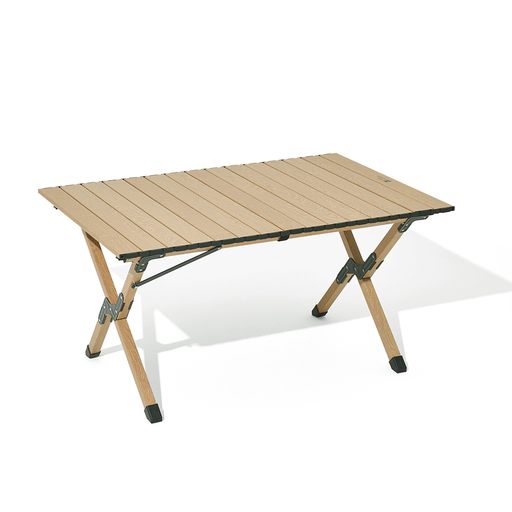
Why we love it : Perfect for campers and hikers who prioritize lightness and compactness. At 3.6 kg and with a fully detachable frame, it slips into its carrying bag and you'll barely notice it's there, even over long distances.
Its cross-brace structure (X-frame) ensures excellent stability, putting an end to wobbly table syndrome. Its all-aluminium design solves weight and rust issues in one fell swoop.
Maximum portability : The roll-up top and detachable frame pack down into an ultra-compact size. Simple, intuitive assembly.
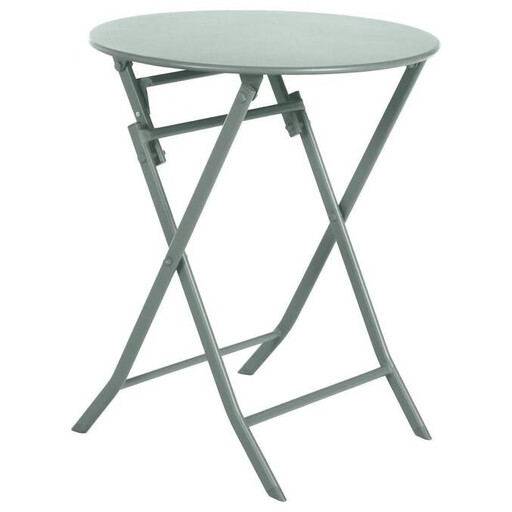
Why we love it : Designed for small spaces, this two-person table is perfect for a balcony or small patio. Its modern design and olive colour add a welcome decorative touch without sacrificing practicality.
Its steel frame features an epoxy treatment, an effective shield against rust and UV rays. This helps it avoid the pitfall of premature deterioration, even when left outside for much of the year.
Ultra-slim storage : Once folded, it takes up almost no space against a wall. Polished design that blends with any outdoor decor style.
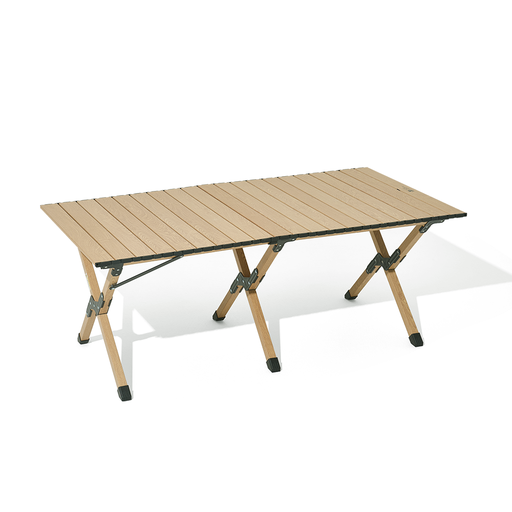
Why we love it : At 116 cm long, this table offers a generous surface area for families or groups of friends, whether for camping, picnics, or in the garden. It's the perfect compromise between large capacity and portability.
Despite its generous size, its reinforced X-frame and non-slip feet ensure rock-solid stability, even when fully loaded. Here, size doesn't come at the expense of sturdiness.
Large usable surface : Perfect for comfortably seating 4 to 6 people. Portability maintained : At 4.9 kg and with its detachable system, it remains easy to transport.
Explore our complete, up-to-date selection of products that meet our quality and safety standards.
For an aluminium model, a simple cleaning with soapy water is sufficient. For treated steel, be sure to wipe it dry after a rain shower to prevent water from pooling. In any case, it's best to store it indoors or in a dry shelter during the winter (or during prolonged periods of non-use) to protect it from the elements.
A classic folding table folds in half, like a suitcase. It's fast, but the folded unit remains bulky. A roll-up table, on the other hand, has a slatted top that rolls up and a detachable frame. The result is a much more compact package, ideal for transport and storage in small spaces.
Yes, as long as it's well-designed. Lightness depends on the material (like aluminium), while stability depends on the frame's geometry. A lightweight table with a well-designed X-frame will always be more stable than a heavier model with simple, unreinforced straight legs. You need to analyse the winning combination: weight, material, and frame design.