
Livraison le jour même ou le lendemain

Qualité garantie

Débloquez vos offres de bienvenue: Livraison GRATUITE | Jusqu'à -80 % | 30 jours d'essai gratuits à JoyPlus
Téléchargez l'application
Buying a folding outdoor chair? It seems like a simple purchase. And yet, who hasn’t been disappointed by a promising model after just a few uses? A chair that rusts after the first downpour, fabric that tears, or comfort so spartan you end up preferring to stand... To prevent a great deal from turning into a big regret, you need to know how to avoid the common pitfalls.
As the Head of Equipment at Joybuy, I analyse dozens of products every day. My role? To help you see things more clearly. Let's forget the marketing jargon and focus on what really matters. Here are the 3 most common mistakes and how to avoid them.
Pitfall #1: Deceptive Weather Resistance. Many chairs are labelled "for outdoor use," but their materials are not at all built to withstand UV rays or moisture. A low-grade steel frame will rust in a few weeks, while poor-quality fabric will fade before your eyes and become brittle.
Pitfall #2: The Illusion of Portability. A chair might be "folding," but if it weighs more than 5?kg and remains a behemoth when folded, its practicality is limited to the back garden. For camping, the beach, or fishing, the weight and folded dimensions are non-negotiable criteria.
Pitfall #3: Sacrificed Comfort. Ultra-light models are appealing, but their minimalist design often comes at the expense of support. A seat that's too narrow or a backrest that's too straight can quickly turn your moment of relaxation into an endurance test.
You don't need to be an expert to make the right choice. You just need to focus on a few technical points that make all the difference. These are what determine the durability, comfort, and practicality of your future chair.
The choice of material is crucial and depends on your intended use.
The fabric is your first point of contact with the chair; its comfort and longevity are therefore paramount.
Don't just trust the word "folding." You need to scrutinise two figures: the net weight (in kg) and the folded dimensions (L?x?W?x?H in cm). A chair under 3?kg is considered truly portable. Above 5?kg, it's better suited for sedentary use (garden, patio).
Every user has different needs. Here are a few models that cater to specific use cases, all while avoiding the pitfalls mentioned earlier.
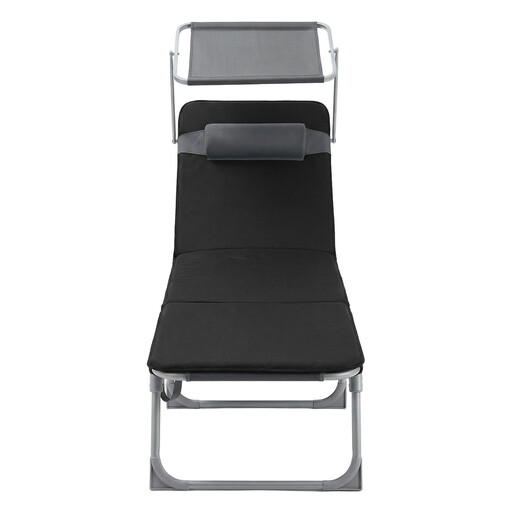
The Profile: Ideal for those seeking absolute comfort for long naps or reading afternoons in the garden. This adjustable sun lounger is built for relaxation.
This model doesn't sacrifice comfort for the sake of compactness. Its reinforced steel structure, plush cushion, and breathable fabric ensure excellent support, a far cry from lightweight but spartan options.
The adjustable backrest, removable cushion, and integrated sunshade offer a tailored relaxation experience.
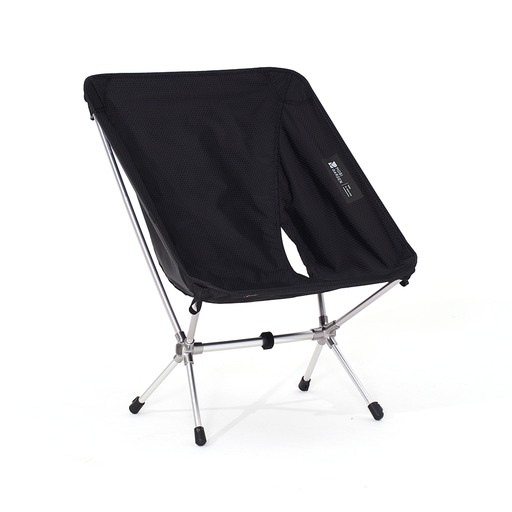
The Profile: Designed for hikers, campers, and anyone for whom every gram counts. Its design is focused on maximum portability without sacrificing stability.
It shatters the "false portability" trap. At just 765 g and with a tiny folded size, it slips into a backpack without a second thought, whereas heavier models become a burden.
Its aerospace-grade aluminium alloy frame offers surprising sturdiness for its feather-light weight, and its assembly is as quick as it is intuitive.
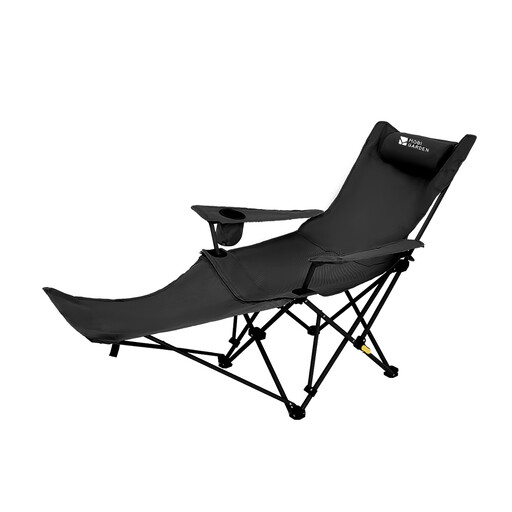
The Profile: This is the Swiss Army knife of folding chairs, perfect for a variety of uses: on a balcony, for a picnic, or as an extra seat for fishing. It combines comfort, features, and thoughtful portability.
It avoids the trap of a false compromise. Its thick Oxford fabric and carbon steel frame provide a comfortable seat and a level of sturdiness well above entry-level models.
Its multiple reclining positions, cup holder, and side storage pocket make it incredibly practical for daily use.
We have selected other models that meet our demanding specifications for quality and safety.
The lifespan depends primarily on the materials and maintenance. A model with an aluminium frame and Textilene or Oxford fabric, stored indoors during winter, can easily last more than 5 years. Conversely, entry-level steel models, which are more susceptible to rust, rarely last more than 2 or 3 seasons if permanently exposed to the elements.
A few simple steps make all the difference. After a downpour, wipe the frame dry, especially if it's made of steel. Avoid leaving the chair in direct sunlight for long periods. Ideally, store it in a dry place away from direct sunlight when not in use. Regular cleaning with soapy water is sufficient for the fabric.
It can be, but it's not always ideal. An ultra-light camping chair prioritises portability above all else, often with a lower seat and minimal padding. For daily use on a balcony, a model like a moon chair or a more structured folding armchair will offer unparalleled comfort for long-term lounging.