
Livraison le jour même ou le lendemain

Qualité garantie

Débloquez vos offres de bienvenue: Livraison GRATUITE | Jusqu'à -80 % | 30 jours d'essai gratuits à JoyPlus
Téléchargez l'application
Grocery shopping, carrying packages, or hauling DIY equipment?: without help, it quickly becomes a chore. A folding cart then seems like the perfect solution. The problem?: the market is flooded with models making attractive promises, but they often disappoint in practice. As Head of Product Recommendations at Joybuy, I'm here to separate fact from fiction and guide you toward a smart choice, free from marketing jargon.
Before you fall for the first model on sale, beware of these three common pitfalls that can leave your cart ready for the scrap heap in just a few months?:
To avoid disappointment, forget the marketing and focus on these few technical points. They are the true guarantors of the quality and longevity of your future utility cart.
The choice of material directly impacts the cart's weight and sturdiness.
Pro tip?: Aim for a nominal payload capacity that is at least 20% higher than your most common need. This safety margin will protect the cart's structure during rough handling and extend its lifespan.
This is the crucial point. Forget cheap plastic and check for these game-changing details?:
A good rolling shopping cart should adapt to you, not the other way around.
No overwhelming product list here. Instead, we've matched each model to a user profile to help you find the one that will truly fit your daily life.
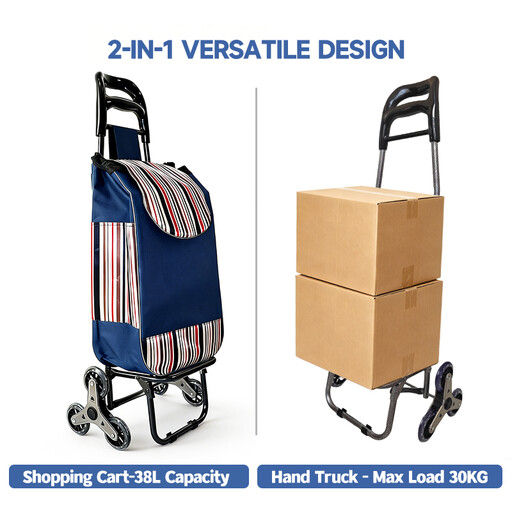
Why it's right for you : Designed for city shopping and the hassle of upper floors, it turns the chore of climbing stairs into a mere formality.
Its three-wheel system is specifically designed to absorb the impact of steps, where cheap plastic wheels would snap instantly.
Its angled ergonomic handle provides real relief for the wrist, making it much less strenuous to carry up packs of water. Once folded, its compact size is a real bonus for small apartments.
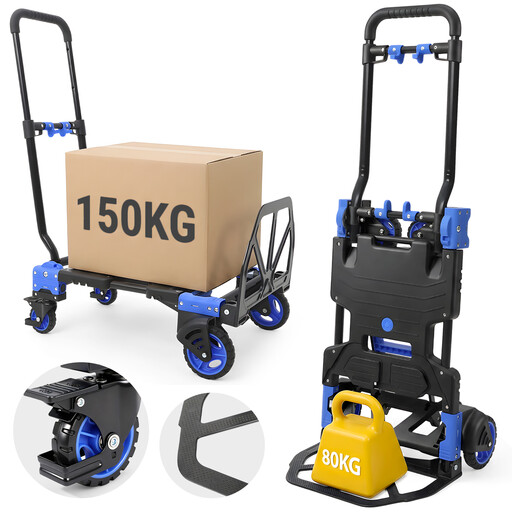
Why it's right for you : It's the Swiss Army knife of hauling. It switches in an instant from hand truck mode (perfect for boxes or a small fridge) to a platform cart for bulky items. It covers all your needs, from helping your kid move to weekend DIY projects.
No empty promises here: it lists two clear and realistic load capacities (80 kg as a hand truck, 150 kg as a platform cart). Its reinforced aluminium frame is built to last.
Its ultra-fast 2-in-1 conversion and TPR wheels equipped with a parking brake offer formidable versatility and safety, no matter the task.
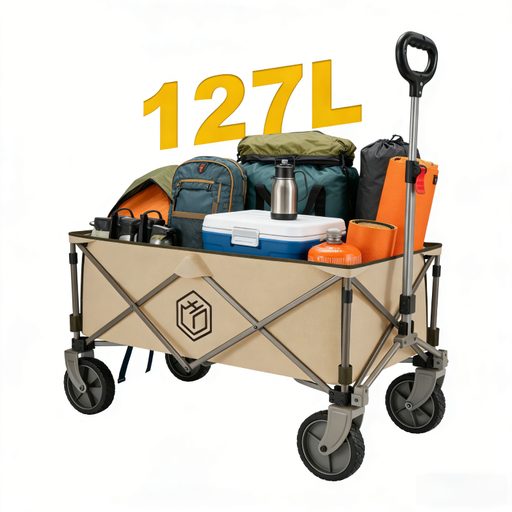
Why it's right for you : This camping wagon is a true adventurer, built for rough terrain. It carries everything you need for a picnic, a day at the beach, or a weekend getaway—from the tent to the coolers—in a single trip.
Its large, treaded wheels handle grass, sand, or dirt with ease, where a city cart would get hopelessly stuck. Its steel frame and 200 kg capacity are up to the challenge of heavy outdoor use.
Its extra-large 127-litre volume and impressive payload let you haul everything. The best part? Once folded, it's compact enough to be forgotten in the car trunk.
Discover our full selection of carts that meet our quality charter and current standards.
It all depends on the build quality and how you use it. A good model with a treated aluminium or steel frame and TPR rubber wheels can last for many years with proper use. Conversely, an entry-level, all-plastic model will rarely last more than one or two years with regular use.
It's a genuinely good idea, as long as you know what to expect. The three-wheel system allows it to "climb" over the edges of steps, drastically reducing the effort needed to go up or down. It's incredibly effective for grocery bags. It won't work miracles for very heavy loads, but the improvement in comfort compared to a standard cart is undeniable.
It's simple but crucial. After each use, check the wheels to remove any stuck gravel. Wipe the frame with a damp cloth if it's dirty, making sure to dry it thoroughly before storing (especially for steel). Occasionally, a drop of lubricant on the wheel axles and folding joints will ensure smooth operation for years to come.