
Livraison le jour même ou le lendemain

Qualité garantie

Débloquez vos offres de bienvenue: Livraison GRATUITE | Jusqu'à -80 % | 30 jours d'essai gratuits à JoyPlus
Téléchargez l'application
Buying a folding camping table? On the surface, nothing could be simpler. Yet, the gap between marketing promises and real-world performance can be huge. Whether for an impromptu picnic, a camping trip, or as an outdoor folding side table on a balcony, an informed decision will save you from disappointment. Before you buy, let's review the pitfalls to avoid and the criteria that truly make a difference.
Tempting marketing claims can often hide serious design flaws. Here are the red flags to watch for to avoid buyer's remorse.
To make an informed choice, it's best to focus on objective features. Here are three fundamental ones.
The choice of material is crucial: it determines the table's weight, durability, and intended use.
Stability isn't just about weight. Look at the leg structure. A frame with X-shaped crossbars distributes forces more evenly and ensures a better footing. Non-slip feet caps are also a significant plus for good grip on grass, sand, or gravel.
The maximum load capacity stated by the manufacturer is a good indicator, but you need to know how to interpret it: 20 kg is enough for drinks and snacks, but if you plan to put a full cooler or a camp stove on it, aim for 30 kg or more for peace of mind.
Keep an eye on three key measurements:
There's an ideal table for every use. Here is our selection for different profiles.
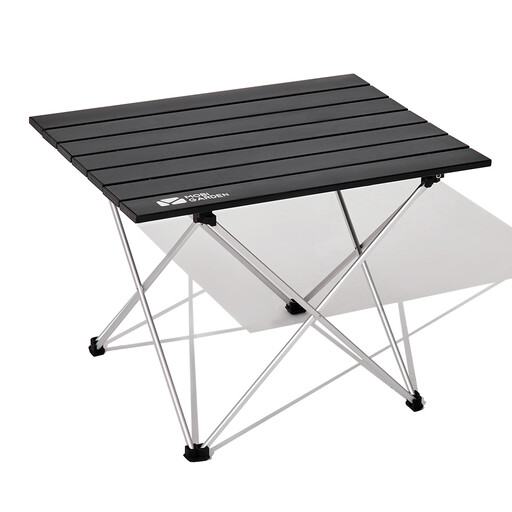
Why we chose it: With a weight of about 1.25 kg and an ultra-compact size when packed, this table is tailor-made for those who prioritise mobility. It slips easily into a backpack for a comfortable break in the great outdoors.
Despite its feather-light weight, its X-frame structure and aluminium frame provide very decent stability for a meal or for holding small gear. It's a far cry from the "paper-thin" feel of entry-level models.
Feather-light weight of around 1.25 kg and smart storage (separate top and frame) for a minimal footprint.
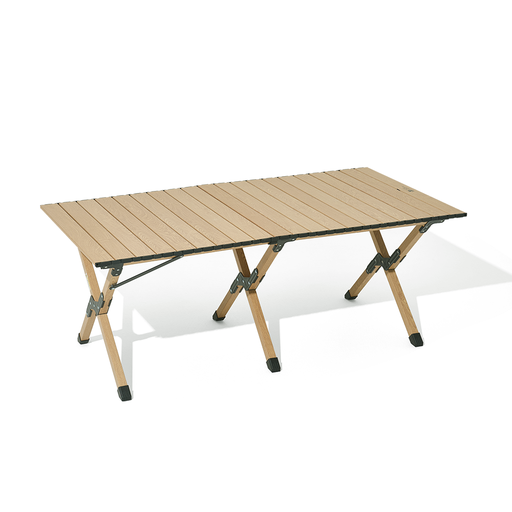
Why we chose it: At 116 cm long, this table offers a generous surface to comfortably seat 4 to 6 people. It's perfect for camping trips where comfortable dining is a priority.
Its aluminium alloy slat top is resistant to both heat and moisture, unlike low-end composites that warp. Its X-frame structure guarantees excellent stability, even for a large group.
Large surface area of 116 cm x 60 cm and a sturdy aluminium alloy structure for no-compromise family use.
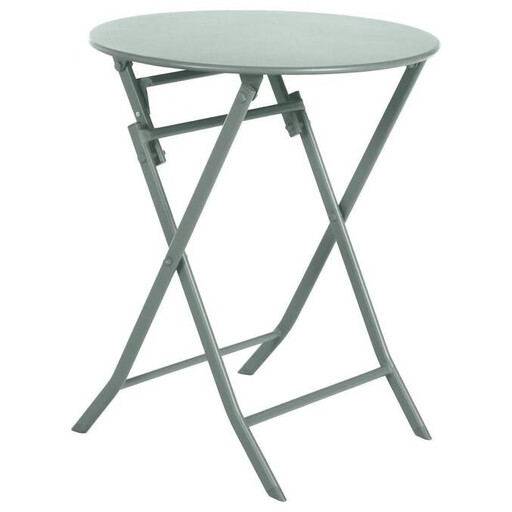
Why we chose it: Designed for two, this table combines style and practicality. Its compact size is perfect for breakfast or drinks on a balcony, adding a touch of style to your outdoor space without cluttering it.
Its steel frame is protected by an epoxy coating that shields it from rust and UV rays. Its vertical folding system is a model of simplicity, allowing it to be stored effortlessly against a wall.
Epoxy-coated steel construction for outdoor durability and vertical folding for maximum space-saving.
Our complete selection includes dozens of models that meet our strict standards for durability and practicality.
First, check that the table is fully unfolded and its safety locks are engaged. Place it on the flattest surface available. If the ground is soft (sand, dirt), don't hesitate to press the legs in slightly to find a stable base. The gold standard? Models with adjustable-height legs, which are perfect for compensating for uneven terrain.
A well-maintained aluminium folding table is virtually indestructible. Since aluminium doesn't rust, its main weak points are the connecting parts (hinges, locks). This is often where low-end models fall short. To maximise its lifespan, avoid exceeding the maximum load capacity and store it in a dry place during long periods of non-use.
For an aluminium or treated steel top, a damp cloth with a little mild soap is sufficient. Avoid abrasive sponges that could scratch the protective coating. After cleaning, dry it thoroughly, paying close attention to the joints and hardware. If your table is made of steel, inspect it from time to time: at the slightest scratch, apply a small touch-up of anti-rust paint to stop corrosion in its tracks.