
Livraison le jour même ou le lendemain

Qualité garantie

Débloquez vos offres de bienvenue: Livraison GRATUITE | Jusqu'à -80 % | 30 jours d'essai gratuits à JoyPlus
Téléchargez l'application
Whether for a trip into the great outdoors, a festival, or simply lounging in your garden, a good folding camping chair is an essential piece of gear. The problem? The market is flooded with models making tempting promises that often prove disappointing in practice. Before you decide, it's crucial to know how to see through the marketing gimmicks to invest in a product that truly delivers on comfort, durability, and practicality.
As a product expert for Joybuy, my mission is to help you see things more clearly. Let's scrutinise the common mistakes and objective criteria for choosing THE seat that will join you on all your adventures.
The initial excitement of a purchase can quickly deflate. Here are the three pitfalls to be aware of to avoid buyer's remorse.
To avoid these disappointments, focus on objective technical criteria. Here are the three key points to check before you buy.
It all depends on your use case. For trekking, where every gram counts, a lightweight folding chair under 1 kg is the ideal solution. Its frame is typically made of an aluminium alloy, an excellent compromise between lightness and strength. For car camping, fishing, or for an outdoor folding armchair in the garden, weight becomes a secondary criterion. You can then opt for a heavier model, often with a carbon steel frame, that prioritises comfort and robustness. Always check the dimensions of the chair once packed in its carry bag.
The stability of a portable camping seat depends above all on its frame design. X-shaped or triangulated structures are known for distributing forces evenly and ensuring good stability, even on slightly uneven ground. The static load capacity is a good indicator, but the quality of the materials and joints is just as crucial. Tubes with a sufficient diameter and metal joints are true guarantees of durability, especially for a fishing chair where you might be sitting for hours.
The comfort and lifespan of your chair largely depend on its seat. Oxford fabric is the benchmark in this area, renowned for its high resistance to abrasion and tearing. Its density, expressed in denier (e.g., 600D), is a good indicator of its thickness and toughness. For summer, breathable fabric is a real bonus to prevent sweating. Some models go even further with padding for optimal comfort, turning a simple chair into a true camping armchair.
Rather than searching for a one-size-fits-all model that doesn't exist, it's better to choose a chair tailored to your actual needs.
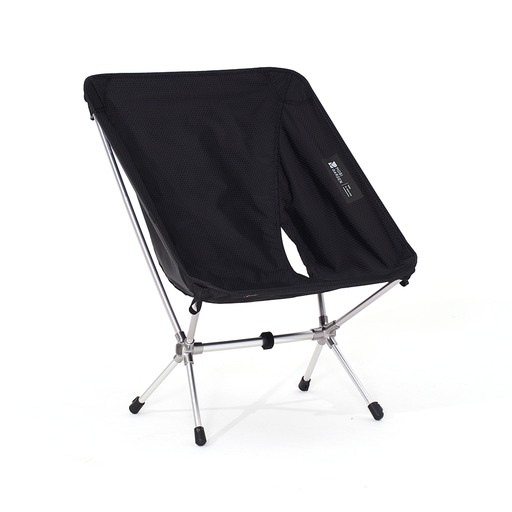
Why it's a match: Designed for those who count every gram in their backpack. Its weight and pack size are optimised for trekking and bivouacking, offering a well-deserved break without weighing you down.
It sidesteps the trap of fragile ultra-lightness. Despite its 765 g weight, it relies on an aircraft-grade aluminium alloy frame and a stable, triangulated structure, supporting a static load of up to 140 kg.
Feather-light weight and an ultra-compact size (36 cm long when folded) that you'll forget is in your pack.
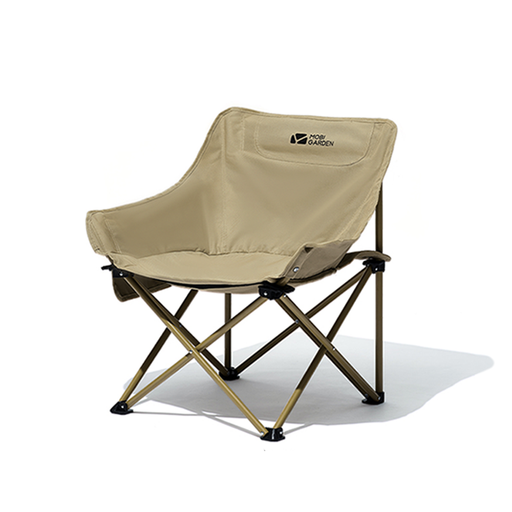
Why it's a match: Perfect for motorhomes, fishing, or festivals. Here, weight (2.35 kg) takes a backseat to the absolute comfort of its wide seat and enveloping shape.
This model doesn't try to be ultra-light. It fully embraces its focus on comfort with a sturdy carbon steel frame and a U-shaped seat that provides excellent back support. The side pocket is a handy little extra.
Wide (64.5 cm) and enveloping seat in padded Oxford fabric for armchair-level comfort.
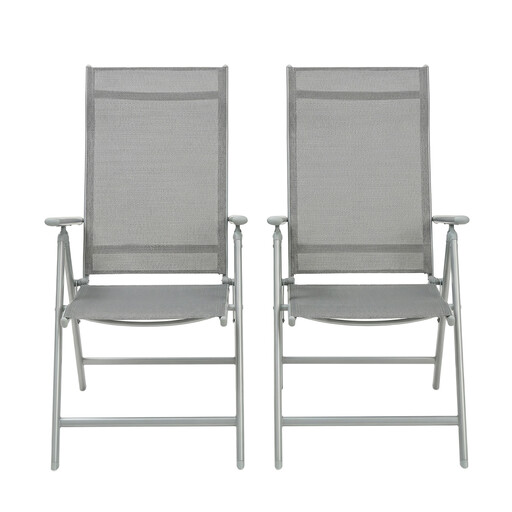
Why it's a match: Ideal for furnishing a balcony, patio, or a fixed campsite. This set of two armchairs is designed for long-term relaxation, with comfort that rivals a sun lounger.
It doesn't fall into the "deceptively compact" trap. Its weight (8 kg per chair) and dimensions are unapologetic. Its mission isn't portability at all costs, but to offer maximum comfort thanks to its 8-position reclining backrest.
Adjustable backrest for customised comfort, and sold as a set of two to enjoy with a partner.
We have curated a full range of products that meet our strict selection criteria and the expectations of UK and European users.
The lifespan depends on the quality of the materials (a frame made of anti-corrosion treated steel will last much longer than low-grade aluminium), the frequency of use, and, most importantly, maintenance. By taking care to clean and dry your chair after each outing, a well-made model can last you for many seasons to come.
A simple cleaning is all it takes. After each use, a wipe with a damp cloth on the frame and fabric will remove dust, mud, or sand. Avoid harsh detergents. The crucial point: let the chair dry completely in the open air (but out of direct sunlight) before putting it back in its bag. Storing it in a cool, dry place will prevent rust on the metal parts and the growth of mould and mildew on the fabric.
An ultra-light hiking chair is above all a compromise focused on portability. It's perfect for a welcome break during a long walk, but its seat is often lower and narrower. For sitting for several hours (fishing, a long picnic, an evening by the fire), a slightly heavier camping armchair with a higher backrest and a more generous seat will be infinitely more comfortable.