
Livraison le jour même ou le lendemain

Qualité garantie

Débloquez vos offres de bienvenue: Livraison GRATUITE | Jusqu'à -80 % | 30 jours d'essai gratuits à JoyPlus
Téléchargez l'application
A good folding camping chair can make all the difference between a great trip and a backache. The problem? The market is flooded with models making tempting promises that, once unboxed, turn out to be disappointing. To avoid a bad buy—whether for camping, your garden, or a day at the beach—you need to know how to read between the lines on product descriptions.
As Senior Gear Editor, I test dozens of products every year. Let me guide you through the jungle of folding chairs to find the one that will truly last you, season after season.
Don't let a bad purchase ruin your moments of relaxation. Here are the most common mistakes and the warning signs to look out for.
The Ultra-Lightweight Mirage?: An ultra-lightweight camping chair is certainly appealing. But be warned: this feather-light weight often hides a flimsy frame. Tubes that are too thin, low-grade plastic joints, and it's guaranteed to break after just a few outings. Be wary of the advertised weight capacities, which are often very (overly) optimistic.
Comfort Sacrificed for Compactness?: To shave off a few inches, some manufacturers don't hesitate to cut back on the essentials: seat width, backrest height, lumbar support... The result? A chair that's easy to slide into your car boot, but one where lasting more than ten minutes is a feat. Let's state the obvious: a camping armchair is made for relaxing, not for suffering.
Materials Not Made for the Outdoors?: The ultimate irony for an outdoor chair! Exposure to sun or moisture can wreak havoc. Fabric that discolours and becomes brittle, seams that give way, an untreated steel frame that rusts at the first downpour... These are the symptoms of a cut-rate design.
Forget the marketing jargon. To make the right choice, focus on these few technical points. They are the true indicators of the quality and durability of your future portable outdoor chair.
The frame is the backbone of your chair. It dictates its sturdiness and weight. Two materials dominate the market:
Whatever the material, one rule of thumb: check the maximum advertised static load capacity and always leave a safety margin relative to your own weight.
The comfort and lifespan of your chair depend on its fabric. Oxford fabric is the benchmark here. Its thickness, measured in deniers (D), is an excellent indicator: a high rating (600D or more) guarantees a dense weave that is highly resistant to wear and tear. For summer, look for breathable fabrics that wick away sweat and, most importantly, are UV-treated to prevent them from fading to a washed-out grey after one season.
Comfort is also about how you use it. Think about your habits.
To illustrate these criteria in practice, here are three models that excel in their category and cleverly avoid the pitfalls we've mentioned.
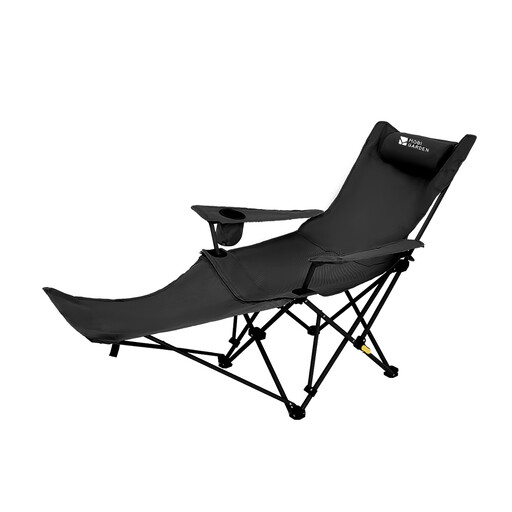
Why this profile? For those who want to make zero compromises on comfort, whether at the campsite, in the garden, or for an outdoor nap. Its mission: absolute relaxation.
It shatters the "sacrificed comfort" pitfall with its multi-angle adjustment, footrest, and padded headrest. More than a chair, it's a true relaxation lounger.
Carbon steel frame (supports 110 kg), thick Oxford fabric, cup holder, and storage pocket. All the essentials are there.
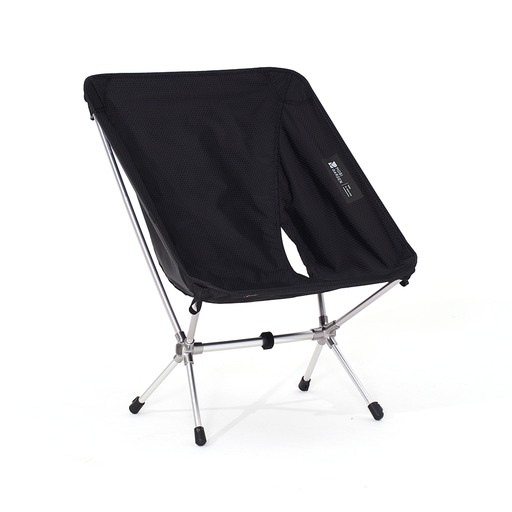
Why this profile? Designed for hikers, anglers, and anyone for whom every gram counts. Its extreme compactness allows it to slip into any backpack.
It sidesteps the "ultra-light but flimsy" trap thanks to its aircraft-grade aluminium alloy frame and ultra-stable triangulated structure. The result? It supports 140 kg despite its feather-light weight of 765 g.
Feather-light weight of 765 g, ultra-compact folded size (11x11x36 cm), quick setup, durable Oxford fabric.
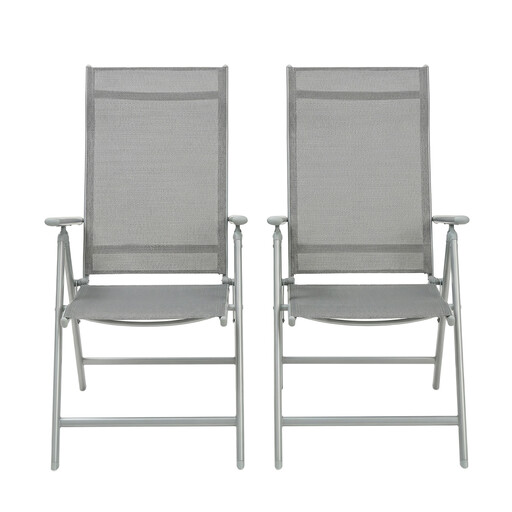
Why this profile? The ideal solution for couples or families looking for an all-in-one setup for the garden, balcony, or weekend getaways. The set of two offers excellent value for money.
It stands out from entry-level models by avoiding the cheap materials trap: a durable aluminium frame, breathable UV-treated fabric, and, most importantly, real comfort with a reclining backrest and cushion.
Sold as a set of two, 150 kg max load per chair, 8-position reclining backrest, and comfort cushion included.
For fans of unbeatable durability, we've selected the best metal-frame models, built to last.
It all depends on the quality, use, and maintenance. A good model with an aluminium alloy or treated steel frame and a dense Oxford fabric can easily last 5 to 10 seasons. Conversely, an entry-level product that is mistreated and left out in the rain will show signs of wear after the first year.
It's simple: a little common sense. After each outing, wipe it down with a damp cloth to remove mud, sand, or dust (without harsh detergents). Most importantly: make sure it is perfectly dry before folding it back into its bag. Then, store it in a dry place, away from the sun, to preserve the fabric and prevent any rust.
Yes, if you're willing to pay for quality. Sturdiness doesn't come from weight, but from engineering and materials. A well-designed ultra-lightweight camping chair with an aircraft-grade aluminium alloy frame and smart architecture (like a triangulated chassis) can be incredibly robust. The best indicator remains the static load capacity advertised by the manufacturer: never overlook it.