
Livraison le jour même ou le lendemain

Qualité garantie

Débloquez vos offres de bienvenue: Livraison GRATUITE | Jusqu'à -80 % | 30 jours d'essai gratuits à JoyPlus
Téléchargez l'application
Whether for a mountain hike, a family weekend in the countryside, or a simple fishing trip, the folding camping chair is an essential accessory. Yet, choosing the right model often turns into a headache. Caught between promises of extreme lightness and absolute comfort, it's easy to end up with a disappointing product that ruins the experience. As a product manager and tester for Joybuy, my mission is to help you see things more clearly and make an informed decision.
Here are the three most common pitfalls to avoid and the real criteria to consider before you buy.
A featherlight weight is obviously tempting, especially for a hiking chair or for bivouac camping. The problem? Many models sacrifice durability for a lower weight. A flimsy frame or low-grade materials can bend or break after just a few outings, rendering the chair useless. The real challenge isn't the gross weight, but the strength-to-weight ratio.
A chair might seem comfortable during a 30-second test in a store, but can become incredibly uncomfortable after 20 minutes. This pitfall is often the result of a non-ergonomic design: a frame that digs into your back or thighs, a seat that is too narrow, or a fabric that sags and no longer offers any support. Be aware that generous padding is no guarantee of long-term comfort if the structure itself is poorly designed.
A compact camping chair is a real bonus for transport. But the trap often springs when it's time to set it up or pack it away. Some folding systems are overly complex, with a myriad of parts to connect, and can turn a moment of relaxation into a meltdown, especially in the rain or after dark. The simplicity and speed of the mechanism are just as crucial as the packed size.
To avoid falling into these traps, focus on these three key points. They define the true quality of a chair and its suitability for YOUR needs.
The material and design of the frame are decisive for the strength, weight, and lifespan of your chair.
Comfort and durability depend heavily on the fabric. Oxford fabric is a benchmark in this field. It is valued for its high resistance to abrasion and tearing. Beyond the material, the shape of the seat is paramount. A deep, "Moon Chair" style seat offers excellent lumbar support and distributes pressure more evenly, making it particularly comfortable for sitting for long periods.
The folding system should be simple and fast. The two most common mechanisms are:
Always compare the folded dimensions of the product to ensure it fits your transport capacity, whether in a backpack or the boot of a car.
To illustrate these criteria in practice, here are a few models that tick all the boxes, suited to different profiles.
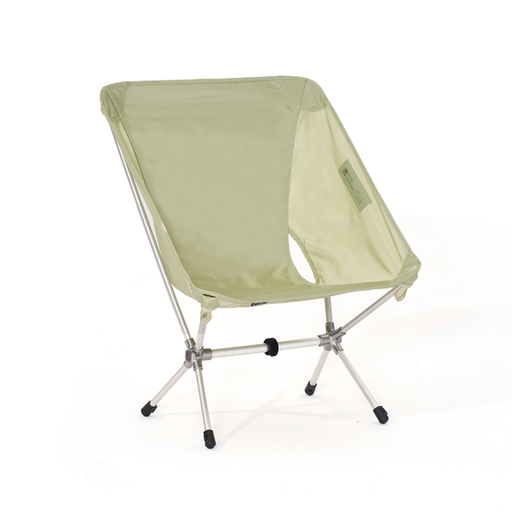
Why it stands out: Weighing in at just 765g with tiny packed dimensions (11 × 36 cm), you'll forget this chair is even in your pack. It's the perfect ally for trekkers and minimalist camping enthusiasts.
It avoids the false-lightness mirage thanks to its aerospace-grade aluminium alloy frame and its triangulated structure, which ensures rock-solid stability, supporting up to 140 kg.
Extreme compactness and lightness without compromising on robustness. The tear-resistant Oxford fabric ensures durability.
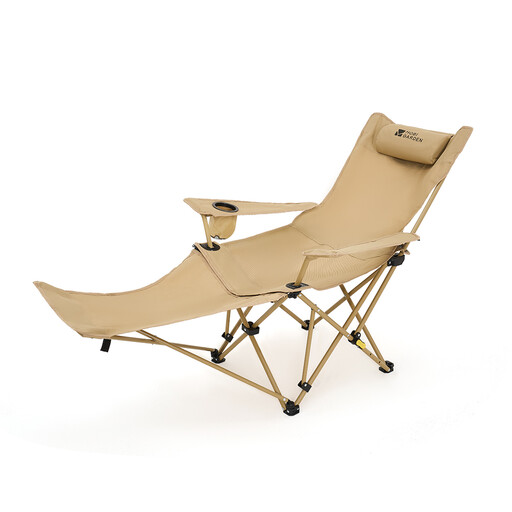
Why it stands out: Here, absolute comfort takes precedence over weight (4.45 kg). It's the ideal chair for car camping, long fishing sessions, or simply relaxing on a balcony.
It avoids the illusory comfort trap with its ergonomic reclining design, which perfectly supports the body. Its sturdy carbon steel frame and integrated footrest effectively relieve pressure on the knees.
Versatile use with its adjustable positions, removable headrest, and practical storage (cup holder, side pocket).
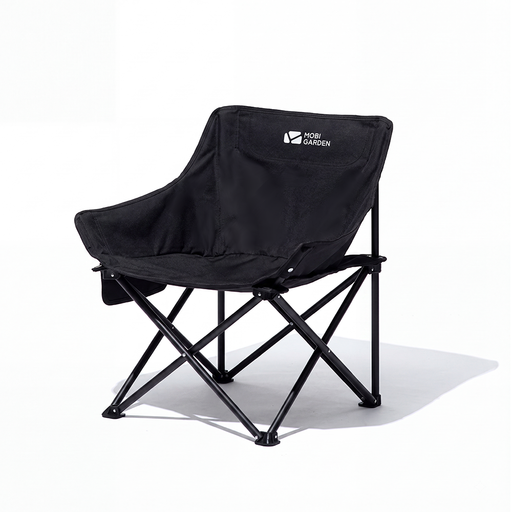
Why it stands out: The perfect middle ground. At 2.35 kg, it's easy to carry for a day at the beach or a festival, without sacrificing the comfort of its wide, deep seat.
It avoids the setup-nightmare trap thanks to its cross-folding (umbrella-style) structure, which sets up and packs away in the blink of an eye, with no parts to assemble.
Excellent comfort-to-portability ratio. Its carbon steel frame ensures good stability and its wide U-shaped seat offers pleasant support.
Discover our complete selection of camping chairs, all tested and approved according to our quality and safety criteria.
It all depends on the quality of the materials, the frequency of use, and, of course, maintenance. A treated steel or high-quality aluminium frame will obviously last longer. By respecting the recommended maximum load capacity and maintaining it properly, a well-made chair can last for many seasons.
It couldn't be simpler. After each outing, a wipe with a damp cloth on the frame and fabric is enough to remove dust, mud, or sand. Avoid aggressive detergents. The crucial step: let the chair dry completely in the open air (but in the shade) before folding it back into its bag. This is the best way to prevent rust and mould.
Absolutely, provided it is intelligently designed. Stability depends less on weight and more on the geometry of the frame. Good ultralight models rely on triangulated structures or interlocking frames that provide a very solid base once unfolded. The presence of wide non-slip feet is also a detail that makes all the difference on soft or slippery ground.