
Livraison le jour même ou le lendemain

Qualité garantie

Débloquez vos offres de bienvenue: Livraison GRATUITE | Jusqu'à -80 % | 30 jours d'essai gratuits à JoyPlus
Téléchargez l'application
A good folding camping chair can be the difference between a simple trip outdoors and a truly relaxing experience. The problem? The market is flooded with models that over-promise and under-deliver once you're out in the field. To avoid disappointment and buyer's remorse, it's crucial to know how to see through the marketing hype.
As a product expert at Joybuy, my mission is to help you navigate your options. Let's cut through the technical jargon and focus on what really matters for making a smart investment that will last and truly meet your needs.
The initial excitement of a purchase can quickly turn to disappointment if the product doesn't hold up. Here are the two most common traps to avoid so you don't throw your money away.
Many chairs are marketed as "?ultra-lightweight," a compelling feature for hikers and campers. The catch? This feather-light weight is often achieved by using low-grade materials or a frame so flimsy it bends after just a few uses. A chair that buckles under your weight or has legs that sink into soft ground is anything but practical. The key is to find the right balance between a manageable weight and a structure that inspires confidence.
A wide seat and an attractive design on paper are no guarantee of comfort. The most common hidden flaw is a poor-quality fabric that stretches out quickly, creating an unpleasant "hammock" effect with no back support. Another recurring issue is a poorly designed seat height—either too low to get up from easily or too high to be truly comfortable. A good camping armchair must provide effective support, even after several hours.
You don't need to be an engineer to make the right choice! Just focus on three key points that make all the difference in quality and durability.
The frame is the backbone of your chair; it's what guarantees its sturdiness. Two materials dominate the market?:
The comfort and lifespan of your chair depend directly on the quality of its fabric. Oxford fabric is a benchmark in this category. Its density is measured in deniers (D). A fabric of 600D or higher ensures excellent resistance to abrasion, tearing, and sagging. It will hold up much better to wear and tear and the rigours of outdoor life.
These three specifications are inseparable when evaluating if a chair is right for your needs?:
Because every adventure is unique, here are our targeted recommendations for different types of users.
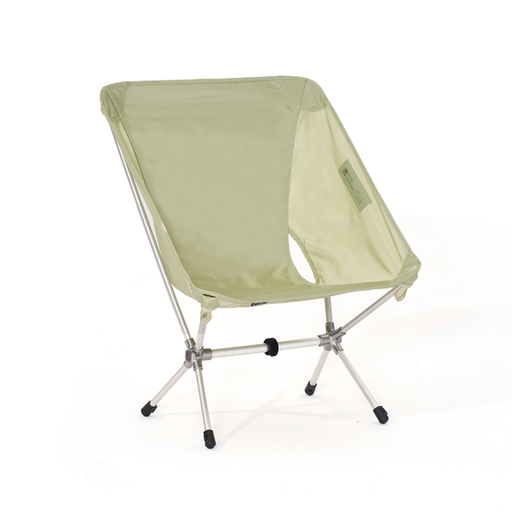
The user profile : Ideal for those who count every gram. Perfect for trekking, bivouacking, or bike touring where bulk and weight are the primary enemies.
This model sidesteps the false-lightness trap with its aircraft-grade aluminium alloy frame. Its triangulated structure ensures remarkable stability, supporting up to 140 kg despite its feather-light 765 g weight.
Net weight : approx. 765 g. Packed dimensions : 11 × 11 × 36 cm. Ultra-durable, high-density Oxford fabric.
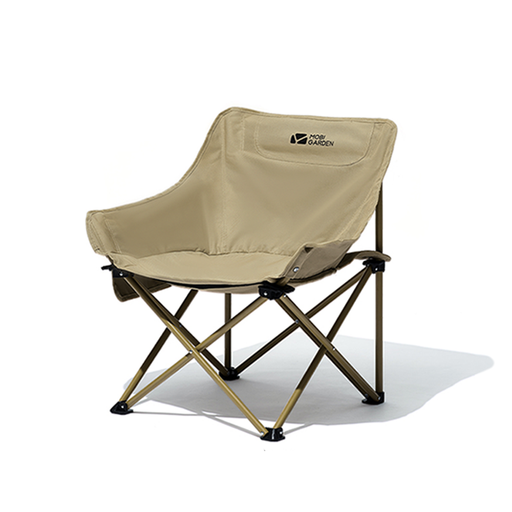
The user profile : For those who refuse to compromise on comfort and sturdiness during their vehicle-based outings (camping, fishing, festivals). Here, well-being and stability take precedence over light weight.
It avoids the illusory comfort trap with its wide, enveloping seat and, most importantly, its thick, padded Oxford fabric that guarantees lasting support. Its carbon steel frame provides a rock-solid foundation.
Carbon steel frame with anti-corrosion coating. Wide 64.5 cm seat. Very practical side storage pocket.
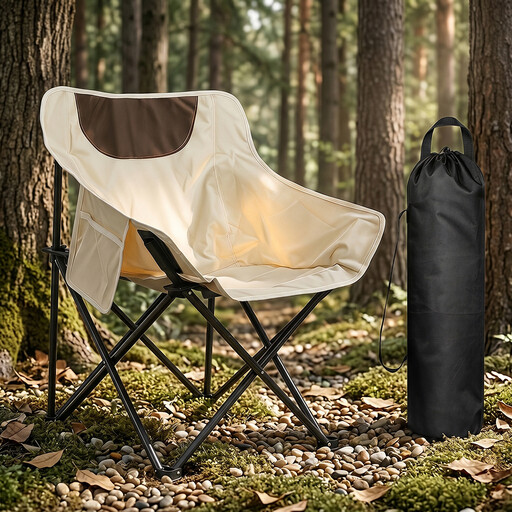
The user profile : An excellent all-rounder for anyone seeking a do-it-all chair for the beach, garden, picnics, or even as a spare seat. Its high back is a real asset for relaxing for hours.
This model tackles the problem of poor support with its high back, which perfectly supports the back and neck—a rare feature on compact chairs. The result? Far superior comfort for extended use.
High-back design for optimal support. Highly versatile for multiple uses (beach, fishing, camping).
Explore our full selection of products that meet our quality criteria and current safety standards.
After each outing, simply wipe down the frame and fabric with a damp cloth to remove mud, sand, and dust. Avoid harsh detergents. Let it air-dry completely (out of direct sunlight) before putting it back in its carry bag. For storage, choose a dry place to prevent any risk of rust on the metal parts.
Although they look similar, a folding fishing chair is often equipped with specific accessories: rod holders, larger pockets for gear, and sometimes adjustable legs to adapt to uneven banks. A classic camping chair, on the other hand, primarily focuses on compactness and light weight.
Ideally, you should set up your chair on flat, stable ground. On soft terrain (sand, wet earth), thin feet are likely to sink. This is why some models are equipped with wider feet or anti-sinking systems that greatly improve stability. Finally, avoid sloped surfaces to prevent the risk of tipping over.