
Livraison le jour même ou le lendemain

Qualité garantie

Débloquez vos offres de bienvenue: Livraison GRATUITE | Jusqu'à -80 % | 30 jours d'essai gratuits à JoyPlus
Téléchargez l'application
A good folding camping chair can transform a simple outdoor trip, picnic, or fishing session into a truly relaxing experience. The problem? The market is flooded with models that make tempting promises but disappoint once you're out in the field. A weight advertised as "feather-light" can hide disconcerting fragility, and "absolute comfort" often comes at the cost of deal-breaking bulk.
As a Product Expert for Joybuy, I'm here to separate fact from fiction. Let's sift through the common pitfalls and focus on the criteria that truly matter to find the perfect portable chair that can go anywhere with you, without any unpleasant surprises.
Before you even start comparing models, let's identify the three classic mistakes that lead directly to a purchase you'll regret.
To make the right choice, focus on these key points.
Here, everything depends on your intended use. An ultralight camping chair weighing less than 1?kg is designed for hiking or trekking, where every gram counts. On the other hand, for car camping or fishing, a model around 2 to 3?kg will offer greater sturdiness and comfort. Keep an eye on two essential specs:
The combination of these two elements will determine your chair's lifespan.
This figure, expressed in kilograms (kg), indicates the maximum weight the chair can support when stationary (without abrupt movements). A high load capacity (120?kg, 140?kg, or more) is often a sign of thoughtful design and quality materials. It's a safety criterion you should never, ever overlook.
Now that we've covered the basics, here is our selection for three distinct user profiles.
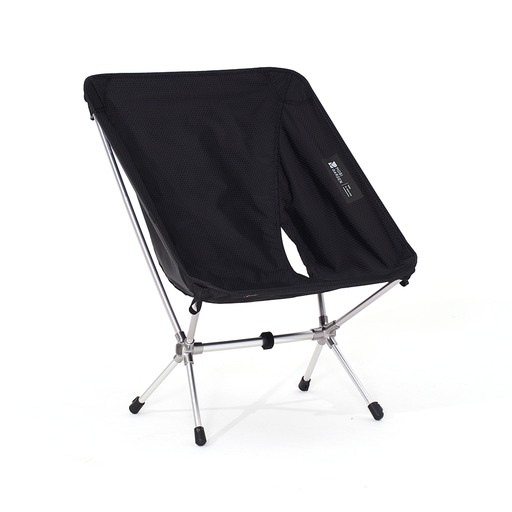
Why we chose it: Perfect for those who count every gram in their backpack. Its extreme compactness makes it ideal for long hikes and bivouacking, where the luxury of a portable seat is a game-changer.
Its feather-light weight (approx. 765 g) doesn't compromise on sturdiness, thanks to its aluminum alloy frame and triangulated structure that ensures excellent stability. It thus avoids the fragility trap that often plagues ultralight models.
Weighs approximately 765 g with folded dimensions of just 11 × 11 × 36 cm. Impressive static load capacity of approximately 140 kg.
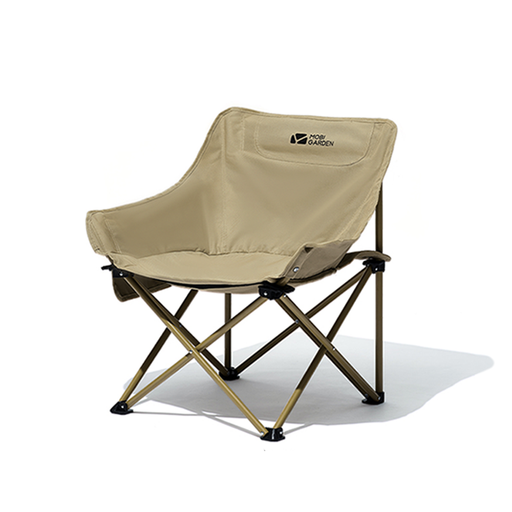
Why we chose it: The top choice for those who travel by car and for whom comfort is non-negotiable. It's perfect for settling in comfortably at the campsite, by the water for a fishing trip, or for a picnic that lasts all afternoon.
This model embraces its weight (approx. 2.35 kg) to deliver optimal comfort, featuring a wide, well-padded seat. It avoids the trap of deceptively comfortable chairs while remaining easy to carry from the car trunk to your spot.
Generous 64.5 cm seat and padded Oxford fabric. Carbon steel frame with an anti-corrosion treatment for rock-solid stability.
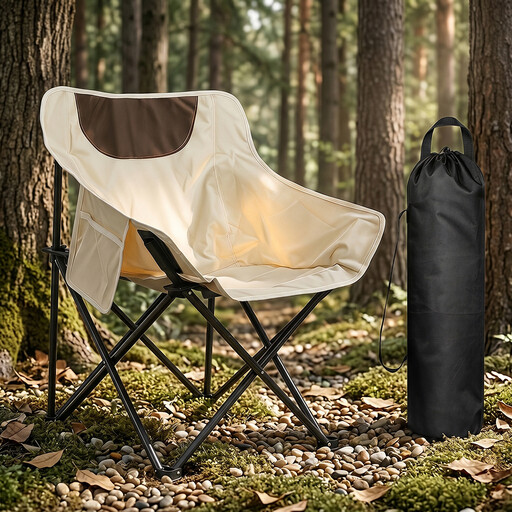
Why we chose it: Designed for those who want one chair for everything: festivals, beach days, a compact picnic chair, or an extra seat in the garden. Its high back is a real asset for truly kicking back and relaxing.
With its high back, it doesn't skimp on back and neck support—a common flaw in compact chairs. It manages this without becoming monstrously bulky, striking an excellent compromise between comfort and portability.
High back provides optimal head and neck support, ideal for long lounging sessions.
Explore our full selection of chairs that meet our standards for quality and durability.
A chair's lifespan primarily depends on the quality of its materials and the care you give it. A well-designed model with a treated aluminum or steel frame and a durable Oxford fabric can last for many years. Of course, respecting the maximum load capacity and using it on level ground are habits that will extend its life.
Maintenance is simple but shouldn't be neglected. After each use, wipe the frame and fabric with a damp cloth to remove dirt, dust, or sand. Avoid harsh detergents. If the chair gets wet, dry it thoroughly and let it air out completely before storing it in its bag. For storage, choose a dry place away from direct sunlight.
Yes, provided it's well-designed. Stability depends less on weight and more on the frame's geometry. Good models rely on a triangulated structure that ideally distributes weight. The presence of wide non-slip feet also improves grip on all types of surfaces. In any case, the golden rule remains the same: always set up your portable camping seat on the flattest, most stable surface possible.