
Livraison le jour même ou le lendemain

Qualité garantie

Débloquez vos offres de bienvenue: Livraison GRATUITE | Jusqu'à -80 % | 30 jours d'essai gratuits à JoyPlus
Téléchargez l'application
Whether for a camping trip, a fishing session by the lake, or simply lounging on your balcony, a good folding camping chair is an essential companion. The problem? The market is flooded with options, and marketing promises often hide nasty surprises. A feather-light chair that bends on the first use, fabric that tears after one season, comfort that vanishes after twenty minutes... Fortunately, these disappointments aren't inevitable.
To avoid falling into the common traps, here are the three most frequent pitfalls to watch out for before you buy.
To choose the right camping seat, you need to look beyond the marketing hype and focus on objective technical criteria. These are what will guarantee the quality and lifespan of your gear.
Weight is often the first criterion that comes to mind, but it should be weighed against your intended use.
Always check the chair's dimensions when folded in its carry bag. A compact form factor not only makes transport easier but also storage at home.
The lifespan of a portable outdoor chair depends directly on the quality of its materials.
Good design ensures both stability and ease of use. The cross-brace (or "umbrella-style") structure is a classic that allows for lightning-fast setup and pack-down. On ultralight models, a hub-style pole structure offers an excellent stability-to-weight ratio.
Finally, a detail that's anything but minor: the feet. Wide, non-slip feet, often made of rubber, are essential for good stability on all terrains (grass, sand, soft ground) and to prevent the chair from sinking or sliding.
To help you see how these criteria apply in practice, here is a selection of models tailored to specific needs.
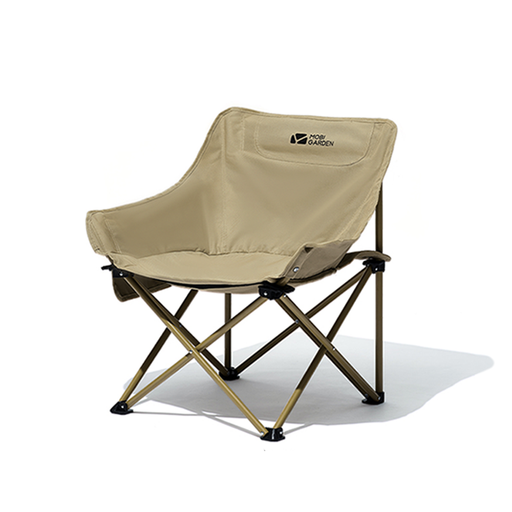
Why we recommend it: It's the ideal companion for car trips, picnics, or fishing outings. Its 2.35 kg weight is an excellent trade-off between portability and comfort. Its wide, wraparound seat invites you to relax.
Its steel frame with an anti-corrosion treatment provides rock-solid stability and robustness, avoiding the 'light but flimsy' chair syndrome. The thick Oxford fabric ensures good resistance to wear and tear.
Its seating comfort, thanks to its wraparound design and 64.5 cm width. The side storage pocket is a welcome bonus.
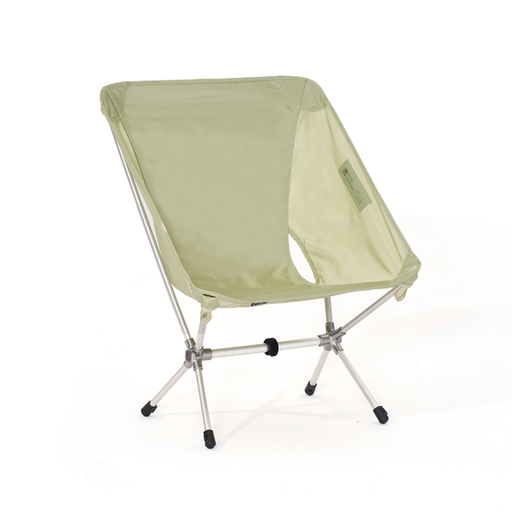
Why we recommend it: Weighing in at just 765 g and measuring 36 cm long when folded, this chair is built for hikers and trekkers who count every gram. It allows for a comfortable break without weighing down their pack.
It avoids the 'deceptive lightness' trap thanks to its aircraft-grade aluminium alloy frame and well-thought-out structure, capable of supporting a static load of up to 140 kg.
Its feather-light weight (765 g) and minimal pack size. Its structure assembles and disassembles in a flash.
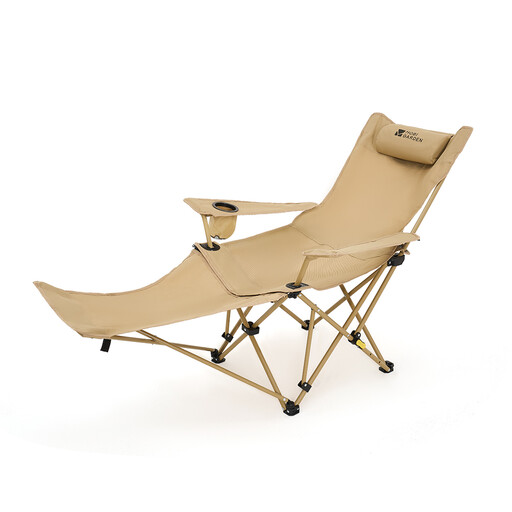
Why we recommend it: For those who want to make no compromises on comfort. Ideal for a nap at the campsite, reading at the beach, or relaxing in the garden. It's a truly portable lounger.
Its 4.45 kg weight is a deliberate choice: it guarantees a robust steel structure, capable of supporting the recline function and offering perfect body support, a far cry from the discomfort of entry-level chairs.
Its multi-position reclining backrest, its padded and removable headrest, and its integrated cup holder. The comfort of a real armchair, with the added benefit of portability.
Discover our full selection of products that meet our quality criteria and current standards.
The lifespan of a folding fishing chair or camping chair depends on the quality of its materials, how often it's used, and how it's maintained. A well-designed model with an aluminium or treated steel frame and Oxford fabric can last for many seasons if properly cared for. Prolonged exposure to sun and rain remains its worst enemy.
Maintenance is simple but crucial. After each outing, clean the frame and fabric with a damp cloth to remove mud, sand, and dust. If the chair gets wet, wipe it down and let it air dry completely before putting it back in its bag. For storage, choose a dry place, away from direct sunlight. One tip: avoid harsh detergents that could damage the fabric and its protective coatings.
Yes, provided it's well-designed. Good models use an aluminium alloy frame and engineered geometry to maximise stability while minimising weight. It is still essential to always respect the maximum static load indicated by the manufacturer and to set up the chair on ground that is as flat and stable as possible.