
Livraison le jour même ou le lendemain

Qualité garantie

Débloquez vos offres de bienvenue: Livraison GRATUITE | Jusqu'à -80 % | 30 jours d'essai gratuits à JoyPlus
Téléchargez l'application
Whether for a weekend in the great outdoors, a fishing trip by the lake, or an open-air festival, the right folding camping chair is the accessory that makes all the difference. But here's the catch: the market is saturated with models that promise the world. Faced with this jungle of options, it's easy to be misled and end up with a model you'll regret from the very first use. As the editorial team's product expert, my mission is to help you see things more clearly.
To save you from a purchase you'll regret, let's review the three most common mistakes that can cost you dearly in comfort (and in cash):
To avoid falling into these traps, you just need to focus on a few objective criteria. These are what define the durability, real comfort, and practicality of your future portable camping armchair.
The frame is the skeleton of your chair. The choice of material has a direct impact on weight, sturdiness, and price.
The comfort and lifespan of your chair depend heavily on the quality of its fabric.
A compact outdoor chair must be truly compact. Look not only at its folded dimensions but also at the shape it takes. A long, thin 'umbrella' style slides easily alongside a backpack, while a flatter 'briefcase' style stacks well in a car boot. The quality of the carry bag is also a good indicator of the manufacturer's attention to detail.
To help you see how these criteria apply in practice, here is our selection for different user profiles.
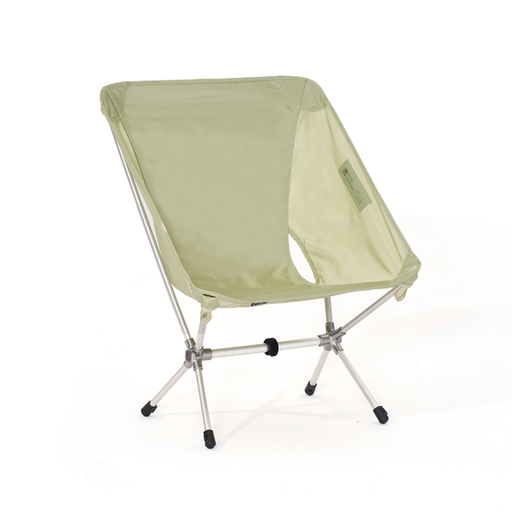
Why we chose it: For those where every gram counts, this model is a no-brainer. Its weight of just 765g and its ultra-compact folded size (36 cm long) make it the ideal companion for backpacking, trekking, or cycle touring.
It sidesteps the false-lightness trap thanks to its aerospace-grade aluminium alloy frame and stable, triangulated structure, supporting a static load of 140 kg.
Minimal weight and bulk without compromising on load capacity. Hard-wearing Oxford fabric.
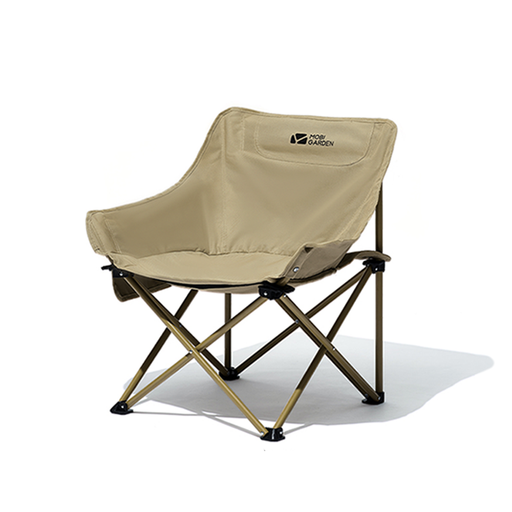
Why we chose it: This is the Swiss Army knife for family outings, picnics, or festivals. Weighing 2.35 kg, it remains easy to transport while offering a wide seat and a sturdy structure for regular use.
It overcomes the illusion-of-comfort trap with its U-shaped curved seat that hugs the lower back and supports the hips. Its carbon steel frame with an X-structure ensures great stability, a far cry from wobbly models.
Excellent strength-to-weight ratio. Padded Oxford fabric and a convenient side storage pocket.
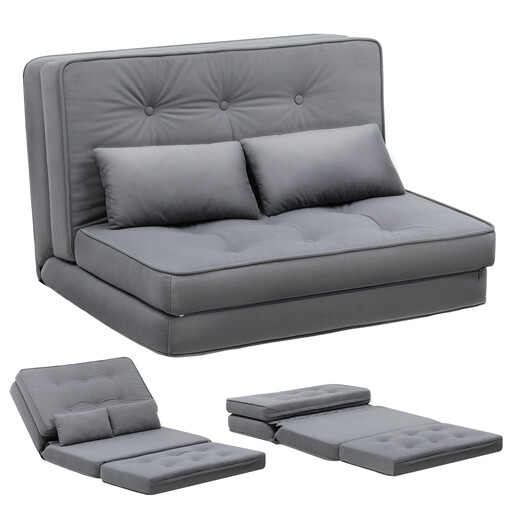
Why we chose it: For those who refuse to compromise on comfort, especially in a van, car, or "glamping" setup. More than a chair, it's a true nomadic sofa bed that offers unparalleled versatility and comfort for relaxing, reading, or even taking a nap.
It completely redefines outdoor comfort. With its 6-level adjustable backrest (from 90° to 180°), lumbar cushions, and high-density foam padding, it makes discomfort virtually impossible.
3-in-1 versatility (sofa, lounger, bed) and living-room-level comfort, but portable enough for motorised camping.
If these models don't check all your boxes, don't worry. We've put together a wider selection of products that meet our strict criteria for quality and practicality.
Its lifespan depends on several factors: the quality of the materials (an aluminium or treated steel frame will better resist rust), the sturdiness of the fabric, and, most importantly, maintenance. A well-maintained chair, cleaned after each use and stored in a dry place, can last you for many seasons. Avoid leaving it permanently in the sun or rain: UV rays and moisture are the worst enemies of the fabric and frame.
Seat height is a matter of personal preference and intended use. Low chairs, like a backpacking chair, are often very stable and ideal for relaxing by the fire. High-seated chairs are easier to sit down on and get up from, a real plus for people with sensitive knees or simply for being at the right height to eat at a camping table.
Yes, but pay attention to a couple of details. Narrow feet tend to sink into the sand. Opt for models with wide feet or anti-sinking pads to avoid getting stuck in the sand. Additionally, an aluminium frame is recommended for seaside use, as it better resists corrosion from the salt air. And most importantly, remember to rinse it with fresh water after every beach trip to wash away salt and sand.