
Livraison le jour même ou le lendemain

Qualité garantie

Débloquez vos offres de bienvenue: Livraison GRATUITE | Jusqu'à -80 % | 30 jours d'essai gratuits à JoyPlus
Téléchargez l'application
A good folding camp chair can be the difference between an enjoyable outing and a bad memory. The problem? The market is saturated with models making enticing claims that often disappoint in practice. Between a frame that gives out after two trips and comfort on par with a block of wood, it's easy to make the wrong choice.
As a product expert for Joybuy, my mission is to guide you. Let's cut through the marketing jargon and get straight to the point: the criteria that truly make a difference. Here's how to avoid the common pitfalls and find the perfect chair for you.
Before we even talk about features, let's learn to spot the red flags—the hidden flaws that turn a great deal into a major hassle.
To avoid these disappointments, let's focus on a few technical points. This is where the true hallmarks of quality and durability are found.
The frame material is primarily a balance between weight and strength.
Nearly all quality chairs use Oxford fabric. This synthetic material is known for its resistance to abrasion and tearing. The fabric's thickness (often indicated in deniers) is a good indicator of its durability. Taut fabric stretched over the frame and reinforced seams are tell-tale signs of quality.
A portable folding chair must live up to its name. Double-check its folded dimensions: will it slip into a backpack, or will it take up half your car's trunk? There are two main systems:
To put this advice into practice, here are a few models that meet specific needs.
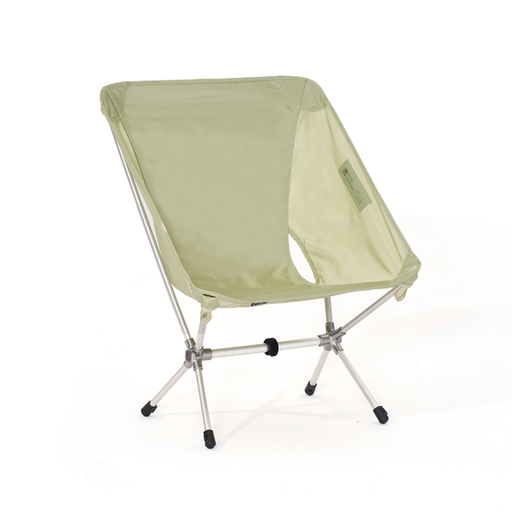
Why this model? Designed for those who count every gram. Weighing just 765g with a tiny packed size (36 cm long), this chair slips into a hiking pack without being noticed. It's perfect for taking a truly comfortable break at the summit or by a lake.
It overcomes the fragility pitfall with its aerospace-grade aluminium alloy frame and stable, triangulated structure, supporting a static load of 140 kg.
Minimal weight and bulk for maximum portability. Assembly is child's play thanks to the rapid-deployment structure.
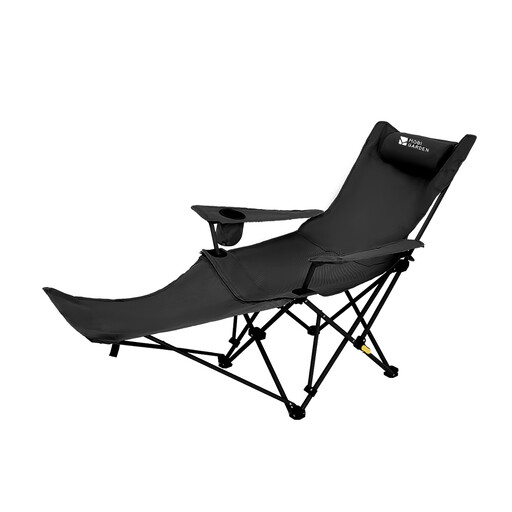
Why this model? For those for whom comfort is non-negotiable. Ideal for a nap at the campsite, a long fishing session, or simply relaxing on your balcony. Its 4.45 kg weight is a logical trade-off for this level of well-being.
It avoids the superficial comfort trap. Its ergonomic design, removable headrest, and multi-position reclining backrest provide full-body support, preventing the fatigue that comes from poor posture.
A true camping lounger. The ability to recline almost flat and the practical accessories (cup holder, side pocket) make it a choice firmly focused on relaxation.
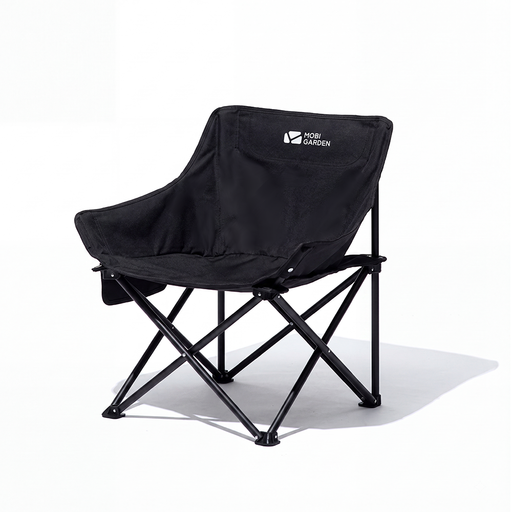
Why this model? This is the perfect balance for picnics, festivals, or as an extra seat. The "moon" shape is enveloping and cosy, while its 2.35 kg weight and simple folding mechanism make it an easygoing travel companion.
It avoids the low-quality materials trap. Its carbon steel frame features a multi-layer anti-corrosion coating, and the Oxford fabric is padded and thick, ensuring good durability for regular use.
An excellent balance between the comfort of a moon camp chair, a manageable weight, and incredible ease of folding thanks to its X-frame structure.
We have curated a complete range of chairs that meet our standards for quality and safety.
1. What is the lifespan of a camp chair? Longevity directly depends on the quality of the materials and how it's maintained. A model with an aluminium or treated steel frame and robust Oxford fabric can last for many years. Conversely, a low-end chair can show signs of weakness (rust, sagging fabric) after just one season.
2. How do I care for my camp chair? Most importantly, do not put it in the washing machine! After each outing, wiping the frame and fabric with a damp cloth is enough to remove dirt, dust, or sand. Avoid harsh detergents. Let it dry completely in the open air (but in the shade) before storing it in its bag in a dry place to prevent rust and mildew.
3. Is an ultra-light chair really sturdy? Yes, as long as you invest in quality. Strength doesn't depend on weight, but on design and materials. A hiking chair with an aerospace-grade aluminium alloy frame and a well-engineered structure can weigh less than 1 kg while supporting over 100 kg. Be wary of entry-level models that sacrifice metal quality on the altar of lightness.