
Livraison le jour même ou le lendemain

Qualité garantie

Débloquez vos offres de bienvenue: Livraison GRATUITE | Jusqu'à -80 % | 30 jours d'essai gratuits à JoyPlus
Téléchargez l'application
Foldable sunglasses solve a very real problem: being able to slip them into a bag, pocket or suitcase without taking up as much room as a standard frame. But a compact design isn't everything. Poorly documented UV protection, flimsy hinges or an imprecise fit can quickly turn a great idea into a disappointing purchase.
Here are the criteria to check before you order, along with a selection of models suited to different uses in the UK.
Very dark lenses reduce brightness, but that doesn't necessarily mean they filter ultraviolet rays properly. For everyday use, look for a clear mention of UV400 protection and check the compliance information provided with the product. This indication refers to the range of ultraviolet light filtered by the lenses, but on its own it says nothing about visual comfort, polarisation or frame quality.
A foldable pair is handled far more often than a standard one. If the mechanism is too stiff, poorly designed or used the wrong way, it can develop play prematurely. Make sure the system is described in detail, then always fold and unfold the frame holding both arms, without putting stress on just one side.
A cat-eye, oversize or Boston frame can look very flattering in a photo. Once worn, however, how it looks depends on the width of your face, the bridge and the length of the arms. A pair that is too wide will tend to slip, while a frame that is too narrow can press on your temples. To compare models easily, convert any measurements given in inches to millimetres and compare them with the dimensions of a pair you already own.
For the beach, driving or outdoor walks, choose lenses whose specifications clearly state the UV400 standard. An anti-reflective coating can also reduce unwanted reflections on the lens surface. It obviously doesn't replace careful driving, nor does it automatically turn a pair of sunglasses into equipment suitable for all lighting conditions.
The product sheets for the Beneunder models shown below also indicate UV blocking percentages and reflection reduction figures. These numbers correspond to the features claimed by the manufacturer, not a general guarantee of medical effectiveness.
Lightweight sunglasses are much more pleasant to wear for several hours. A TR90 frame – a flexible polymer used in some eyewear – can offer a good balance of flexibility, lightness and resistance to deformation. Also look at the shape of the nose pads, the material of the temple tips and whether their position can be adjusted.
For a medium-width face, a frame of around 145 to 148 mm is a good starting point, to compare with your usual glasses. The total width, bridge width and arm length remain essential: one size will not suit all face shapes in the same way.
A folded pair takes up less space, but that doesn't make it immune to scratches or heat. Use a rigid case, or at least one that offers sufficient protection, especially in a suitcase. Clean the lenses with a microfibre cloth and a product designed for eyewear. Forget kitchen roll, rough fabrics, household cleaners and storing them in a car parked in direct sunlight.
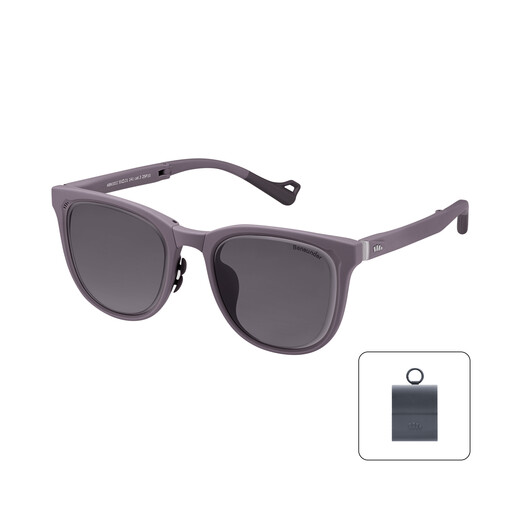
Why this model works: Its understated Boston shape is ideal for a first foldable pair, perfect for daily commutes, walks and travel.
The product sheet states UV400 protection along with anti-reflective, oleophobic and scratch-resistant coatings, rather than just a dark tint with no further details.
TR90 frame, arms adjustable to three positions and dual-axis nose pads. Stated weight: 0.97 oz, approximately 27.5 g.
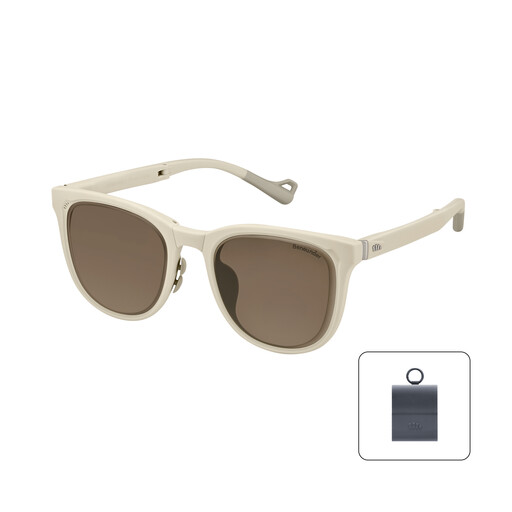
Why this model works: This version combines a classic silhouette with multiple lens treatments and more precise adjustments, for those who appreciate details and finishes.
The dimensions are detailed: frame width 147.1 mm, bridge 21.1 mm and arms 141 mm. Perfect for comparing precisely with a pair you already own.
Nylon lenses with a natural tint, stated UV400, anti-reflective, oleophobic and scratch-resistant coatings. Folded thickness: 29.2 mm.
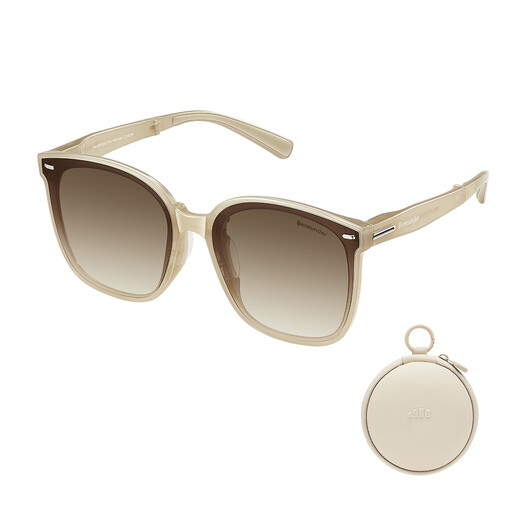
Why this model works: Its oversized shape covers more of the sides of your face, while the three-part folding design makes it easy for travel, daily commutes and repeated storage.
The product sheet states a folded thickness of 35 mm and a weight of 26 g. The mechanism keeps bulk to a minimum, provided you handle it without twisting.
UV400 lenses with glare reduction as stated by the manufacturer, scratch-resistant coating and TR90 frame. Stated width: 145 mm.
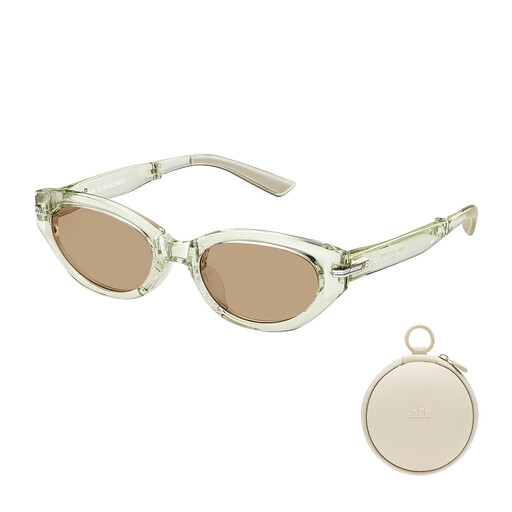
Why this model works: Its cat-eye shape makes more of a style statement while keeping a foldable format that's practical to slip into a handbag or take on city outings.
The frame features cushioned nose pads, soft temple tips and five-point spring hinges, according to the product sheet.
High-definition nylon lenses stated with UV400 and anti-reflective coating. Frame width: 147.3 mm; bridge: 21.1 mm.
We've put together a full selection, updated in real time, of products that meet these demanding criteria as well as European safety regulations.
How long a pair lasts depends on how often you fold them, their storage conditions and their exposure to heat. To preserve scratch-resistant lenses and anti-reflective coatings, store the sunglasses in their case with the lenses facing upwards. Also avoid resting them on top of your head: this can stretch the arms. If a hinge becomes difficult to operate or the frame cracks, don't force it and check the seller's return or warranty conditions.
When driving, choose a tint that maintains a comfortable perception of contrast and make sure the frame doesn't reduce your peripheral vision. These sunglasses are not a substitute for prescribed corrective lenses or for following road safety rules.
They can be perfectly suitable for everyday use if the mechanism is handled with care and the frame is protected during transport. TR90 and flexible hinges are among the features worth looking for, but no material makes a pair indestructible.
Yes, for general sun protection, provided you have comfortable visibility and choose a suitable tint. Check the filter category, the absence of distracting reflections and that the frame fits securely. If you have specific needs or require vision correction, seek advice from an optician.
Use a clean microfibre cloth and a product designed for eyewear. Avoid rubbing dry dust off the lenses and steer clear of clothing or paper towels. A rigid case is especially useful for protecting compact sunglasses carried on a daily basis.