
Livraison le jour même ou le lendemain

Qualité garantie

Débloquez vos offres de bienvenue: Livraison GRATUITE | Jusqu'à -80 % | 30 jours d'essai gratuits à JoyPlus
Téléchargez l'application
Foldable storage boxes are ideal for saving space and keeping your home tidy. Once empty, they fold flat and slot neatly onto a shelf. In everyday use, they can hold everything from clothes and toys to laundry and accessories. However, a smart appearance does not necessarily mean they will suit your home.
Before you check out, take the time to look at three points that are often overlooked: the actual space available, the rigidity of the structure and the care requirements. A box that is too large may prevent a cupboard door from closing, while a model with a base that is too soft may quickly sag. And a fabric that cannot be washed can soon become a nuisance in a child’s bedroom or utility room.
A box described as “large” may lose some of its internal space because of thick walls, a lid or a frame. Measure the available width, depth and height in your furniture, leaving a few millimetres of clearance to avoid unpleasant surprises.
In cube shelving, 30 × 30 × 30 cm cubes are very common. However, check the depth of the furniture, as this can vary from one model to another. For under-bed storage or a storage chest, a lower shape, such as a 56 × 36 × 16.5 cm basket, will often be more suitable.
Non-woven fabric, linen and Oxford fabric give boxes a soft, discreet appearance. However, their stability largely depends on the cardboard or panel inside. By contrast, clear plastic storage boxes allow you to see their contents straight away and are easy to clean, but they generally take up more space when folded or stacked.
Check the product details to confirm:
A set of six cubes may be perfect for a dressing room or bookcase, but far too bulky in a studio flat. Conversely, three storage boxes with handles may not offer enough capacity for a family sorting laundry, toys and seasonal clothing.
Start by grouping your belongings by category. You can then choose more easily between open storage baskets, boxes with lids, transparent storage bins or compartments designed for documents.
Capacity in litres makes it easier to compare models with different shapes. For example, an ANQI cube offers around 8.5 litres per container. A large foldable storage chest will meet a different need, such as storing duvets or bulky laundry.
For a wardrobe organiser, also consider the available height between the rail and the shelves. Boxes intended for clothing should allow you to remove jumpers and accessories easily, without having to move the entire pile.
A stated static load gives you a useful indication, but it does not mean that the box is designed to hold heavy or sharp objects. The JOYFURNOS model measuring 30 × 30 × 30 cm has a stated maximum static load of 5 kg per box. This capacity is suitable for clothes, lightweight books and small items, provided the weight is distributed evenly.
For tools, archives or denser items, choose polypropylene bins with lids instead. Some transparent models have 2.5 mm walls, reinforcing ribs and a non-slip base. Even so, follow the recommended load and avoid high temperatures, flames and prolonged exposure to sunlight.
Handles are particularly useful for removing a box placed high up or at the back of a cupboard. A lid offers better protection from dust, but makes everyday access slightly less immediate. For fabric cubes, care generally involves wiping them with a slightly damp cloth, followed by air drying. In most cases, there is no need to put them in the washing machine.
In the office, a metal desk organiser with sliding trays lets you separate bills, post and files. For A4 document storage, check the usable width as well as the stability of the wall-mounted assembly. Suitable fixings for the type of wall are essential.
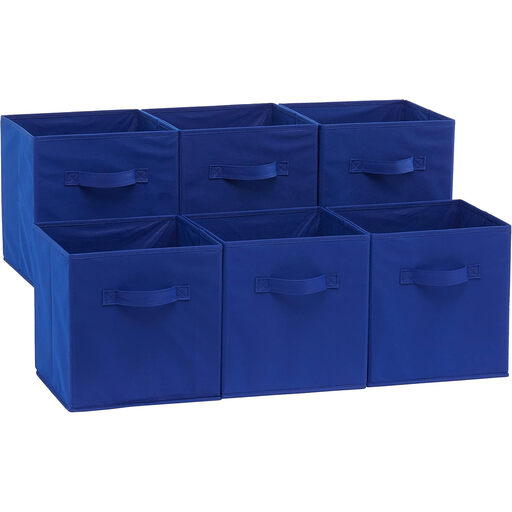
Why this choice suits this profile : This set of six cubes is ideal for your first sorting projects in a bedroom, living room or cupboard. Each box measures approximately 26.7 × 26.7 × 27.9 cm.
The stated volume of 8.5 litres per container helps you judge how many you need, rather than relying solely on the description “large”.
Six containers, integrated handles and a foldable structure. Clean with a damp cloth, then leave to air dry.
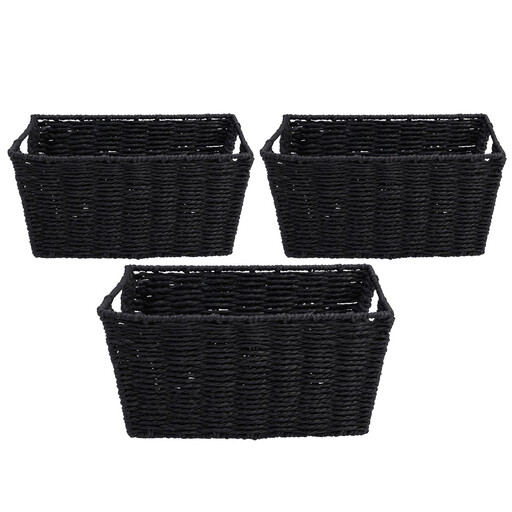
Why this choice suits this profile : Their black woven finish fits easily into a living room, hallway or bedroom where style matters just as much as storage.
The steel frame provides better support than a simple soft basket, while reminding you to take care with moisture and overloading.
A metal structure, rectangular format and a design suitable for books, scarves, gloves or socks.
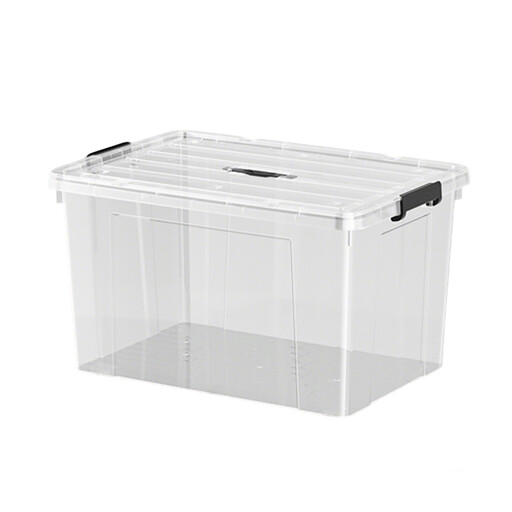
Why this choice suits this profile : This format is suitable for the garage, cellar, balcony, car boot or storing seasonal clothing that you want to identify at a glance.
The clip-on lid, integrated handles and non-slip base make the boxes easier to access, stack and move.
Polypropylene construction, stated 2.5 mm walls, a clear design, a lid and a stackable structure.
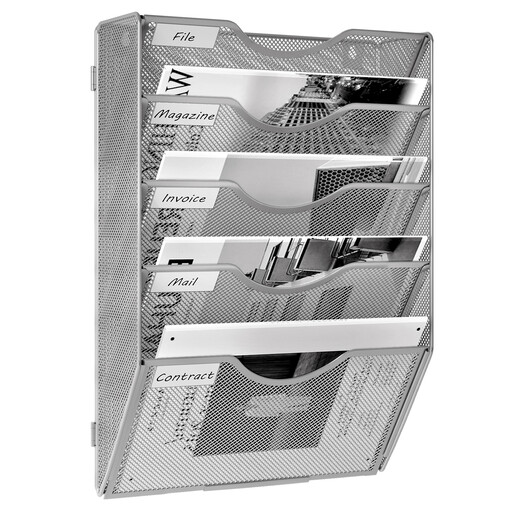
Why this choice suits this profile : Vertical storage frees up your desk and lets you separate post, files, magazines and A4 documents, even in a small space.
The five tiers make it easy to see how your documents are organised. The supplied screws allow for installation suited to the wall, provided you use the appropriate wall plugs.
An A4-compatible format, mesh metal construction and vertical storage measuring 32.5 × 10.8 × 42 cm.
We have put together a complete, real-time updated list of products that fully meet these strict selection criteria and European safety regulations.
Yes, fabric storage cubes and foldable baskets are ideal for jumpers, accessories, household linen and clothing that is not used often. For heavy items or those likely to be exposed to moisture, a plastic box with a lid will provide more suitable protection. However, avoid overloading cardboard and fabric models.
No. Only stackable storage boxes designed with a stable lid, reinforced base or suitable structure should be stacked. Check the maximum load and stability of each stack. Fabric boxes are generally better suited to the compartments of a shelving unit than to a very tall column.
Start by measuring every available space: under the bed, on top of the wardrobe, shelves and unused corners. Choose foldable containers for seasonal belongings, formats with handles for hard-to-reach areas and transparent boxes for items you access frequently. This approach helps you optimise home storage without adding more furniture.