
Livraison le jour même ou le lendemain

Qualité garantie

Débloquez vos offres de bienvenue: Livraison GRATUITE | Jusqu'à -80 % | 30 jours d'essai gratuits à JoyPlus
Téléchargez l'application
Choosing a fluoride toothpaste isn’t just about comparing brands, the colour of the tube, or a promise of whiter teeth. Between anti-cavity, whitening, gum-focused and freshness-oriented formulas, several factors are worth examining before you make a purchase.
For adults and families in the UK, three common pitfalls keep cropping up:
For daily adult use, check that fluoride is present and note its concentration, which is listed on the packaging. Several products on offer contain 1,450 ppm fluoride, a standard level for everyday oral hygiene toothpastes.
The ingredients may include sodium fluoride, sodium monofluorophosphate, stannous fluoride, or a combination of these. However, the type of fluoride alone doesn’t tell you whether the product is suitable for the whole family: age, the amount used and the risk of ingestion also need to be considered.
For children aged 6 or under, product information usually recommends using a pea-sized amount under adult supervision. The toothpaste should not be swallowed. If a large amount is swallowed or if there is additional fluoride intake, seek advice from a dentist or doctor.
An anti-cavity toothpaste typically contains fluoride and is designed for regular use alongside thorough brushing. If your priority is gum health, go for a formula labelled as a gum toothpaste, with ingredients focused on plaque removal.
Whitening toothpastes, such as a Colgate toothpaste from the Max White range or an Aquafresh Whitening toothpaste, primarily target surface discolouration. The visible result depends on the cause of the stains and how consistently you brush. A whitening formula is not a substitute for professional advice if you experience pain, persistent bleeding or a noticeable change in tooth colour.
For sensitive teeth, some formulas combine fluoride with an ingredient like potassium nitrate. This is the case with a Colgate Total product that lists this composition. If sensitivity persists or worsens, it’s better to see a professional than to keep switching toothpastes.
Flavour directly affects how consistently you brush. An intense freshness toothpaste will suit those who enjoy a strong, minty sensation, while a milder taste is often easier for the whole family to adopt.
Also consider the format: a 75 ml tube is fine for individual use or for trying out a formula, whereas a multi-pack of toothpastes lets you stock up and buy less often. For a household, compare the total volume, the expiry date and whether you can choose different formulas to suit each person’s needs.
Anyone looking for a natural toothpaste or a fluoride-free toothpaste should read the label carefully. A fluoride-free formula may suit a personal preference, but it shouldn’t be chosen by default if your priority is cavity protection with fluoride. If you have a particular risk of cavities, it’s best to discuss this with your dentist.
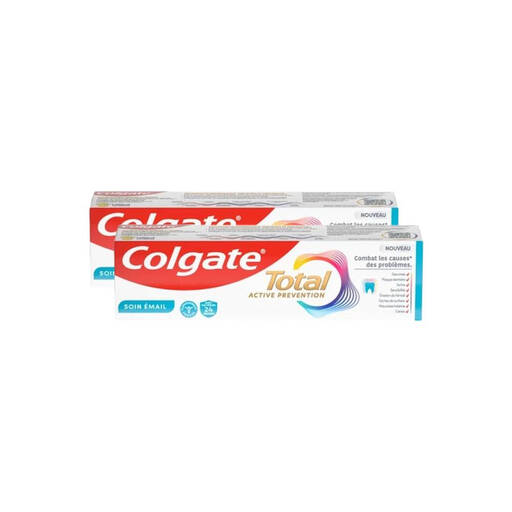
Why this suits this profile: The two-tube format gives you a sensible backup supply without committing to a huge volume. The product information lists stannous fluoride, sodium fluoride and potassium nitrate.
The dosage, active ingredients and usage instructions are clearly detailed, making it easy to compare against a formula simply labelled as “complete”.
Pack of 2 tubes, total volume 150 ml, fluoride listed in the ingredients and recommended for daily use.
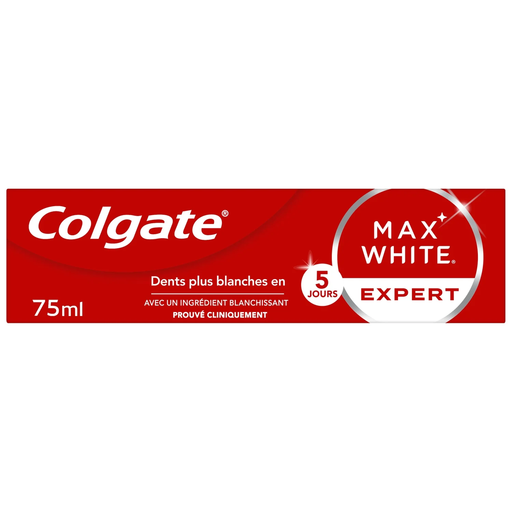
Why this suits this profile: This formula is aimed at adults who want to add a whitening toothpaste to their routine, without confusing its action on surface stains with professional dental treatment.
The product page highlights a technology designed for stubborn stains. However, it’s still important to manage expectations based on your teeth’s natural shade.
Individual 75 ml tube and a clearly stated whitening focus from the brand.
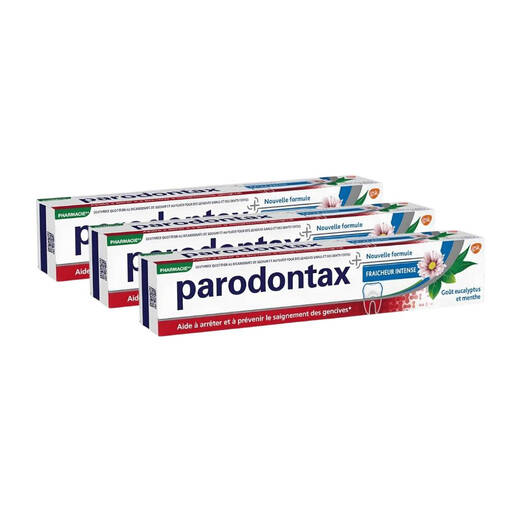
Why this suits this profile: The three-tube pack is ideal for households that regularly use a gum toothpaste and enjoy a strong, fresh sensation.
The stated dosage is 1,400 ppm fluoride, and the instructions specify a limit of three brushes per day, plus supervision for children under 12.
Three 75 ml tubes, a fluoride formula and an action aimed at plaque removal, according to the manufacturer’s description.
To complete your routine, interdental brushes can reach the spaces a standard brush finds harder to access. Choose a diameter that fits without forcing: parodontax options are available in 0.4 mm, 0.5 mm and 0.6 mm.
We’ve put together a comprehensive, real-time updated list of products that meet these strict selection criteria and comply with European safety regulations.
A fluoride toothpaste is generally designed for daily brushing. Follow the dosage stated on the packaging, brush your teeth at least twice a day and avoid swallowing the product. For children, the amount and supervision required depend on their age.
Check the expiry date and batch number on the packaging. After opening, close the tube properly and store it in a dry place at room temperature. A multi-pack is only worthwhile if you can use all the contents before the stated date.
No. Depending on its formulation, it may help remove some surface stains, but it does not replace a diagnosis or treatment carried out by a professional. If you experience pain, regular bleeding or persistent sensitivity, make an appointment with your dentist.