
Livraison le jour même ou le lendemain

Qualité garantie

Débloquez vos offres de bienvenue: Livraison GRATUITE | Jusqu'à -80 % | 30 jours d'essai gratuits à JoyPlus
Téléchargez l'application
A flower pot with a water reservoir can make caring for a balcony, terrace or indoor space much simpler. That said, it doesn’t let you off the hook when it comes to checking soil moisture, drainage and the specific needs of each plant. Behind that appealing name, some models reveal their limitations after just a few weeks of use.
A self-watering pot or a planter with a water reservoir usually has a separate space beneath the compost. This area can space out waterings, but how well it works depends on having a divider, openings or a water-wicking system.
For flowering plants, herbs or houseplants, choose a volume that matches the size of the root ball. A reservoir that’s too large isn’t necessarily an advantage – it can make moisture control trickier.
Measure the spot before you order:
A square or rectangular model also makes it easier to arrange a space and can be combined with other sizes from the same range.
For outdoor use, look for precise information about UV protection, frost resistance and recyclability. A recyclable plastic flower pot is generally lighter than a mineral container, which makes it easier to move.
Models that state they are made in France may appeal if you have a preference about origin and place of production. Some EDA collections, for example, mention manufacture in France and the Origine France Garantie certification. This indication relates to the product described – it doesn’t mean that all its components or accessories necessarily come from the same area.
Colour matters too. An anthracite planter suits a contemporary façade, while a stone effect or terracotta shade gives a more traditional look.
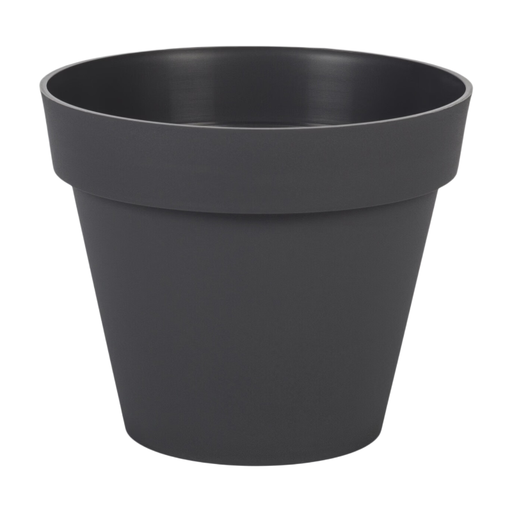
Why this suits this profile: With its 20 cm diameter and 3-litre capacity, this size works well for small plants, windowsills and your first balcony set-ups.
The retention zone is clearly stated, so you won’t buy a simple cache-pot thinking you’re getting a proper watering system.
Matt finish, suitable for indoor and outdoor use, 100 % recyclable materials and manufacture in France as stated by the manufacturer.
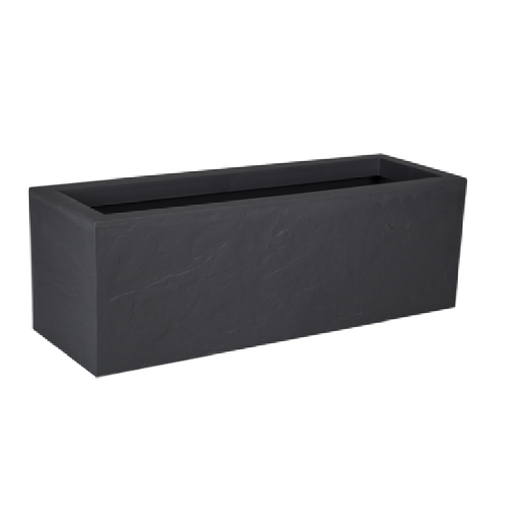
Why this suits this profile: Its dimensions of 99.5 × 39.5 × 43.5 cm and double-wall construction are ideal for a styled terrace or a large planting area.
The volume, double wall and presence of a retention zone are all specified, rather than relying purely on the decorative appeal.
98-litre capacity, stone effect, stated UV protection and frost resistance, 100 % recyclable material.
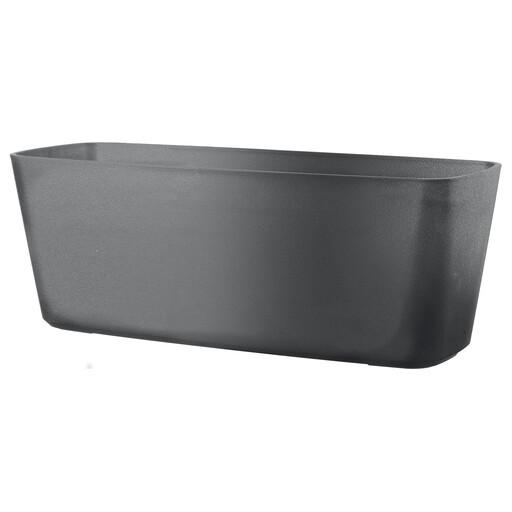
Why this suits this profile: This container is ideal for anyone who wants to leave an outdoor flower pot in place and adjust the drainage to suit the season or location.
The removable plug lets you choose between drainage and retention, so you’re not stuck with the same setting for every situation.
Recycled and recyclable material, stated frost and UV resistance, removable plug and 50 cm diameter.
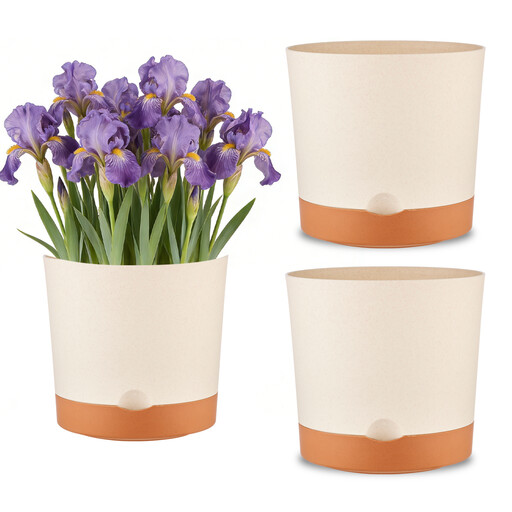
Why this suits this profile: The set of three 16.5 cm containers is ideal for herbs, succulents and small plants on a windowsill.
Each pot comes with a matching tray and built-in reservoir – the set is ready to use, with no need to buy saucers separately.
Three pots, three matching trays, matt beige finish and a size suitable for indoors, a patio or a balcony.
We’ve put together a full, real-time updated list of products that fully meet these strict selection criteria and European safety regulations.
Before planting, check that the holes aren’t blocked by compost. Indoors, place the container on a drip tray if the model doesn’t have a built-in saucer. Fill the reservoir gradually and see how quickly the compost dries out.
On a terrace or in a balcony planter, regularly remove leaves and debris that could block the drainage. In winter, follow the product instructions and consider the plant’s needs – the pot’s stated frost resistance doesn’t automatically protect the roots from freezing. A rinse with clean water or mild soap is usually enough to keep the container looking good.
A divider beneath the compost holds a certain amount of water. Depending on the model, moisture rises into the compost through openings or a dedicated wicking system. You still need to check the water level and avoid the roots staying constantly saturated.
Yes, as long as the model is designed for outdoor use and has suitable drainage. In heavy rain, excess water must be able to escape. Also check the information about UV, frost and the container’s stability.
It can space out waterings and cut down the time you spend on care, but it doesn’t remove the plant’s needs. The running cost is usually minimal, since the system doesn’t require any electricity.