
Same-day & Next-day Delivery

Quality Guaranteed

Unlock Your Welcome Offers: FREE Delivery | Up to 80% OFF | Free 30-day JoyPlus trial
Download the APP
A well-chosen flower pot enhances a plant and becomes a centrepiece of your decor. A poor choice, on the other hand, can doom your plant and turn into a purchase you'll quickly regret. Faced with a jungle of available models, it's easy to fall into the classic traps: an attractive design that masks poor quality, or features that don't live up to their promises.
Before you commit, let's review the most common pitfalls to help you make the right choice, whether for your living room, balcony, or garden.
Trusting the "frost-resistant" label without checking the material: Many pots sold for outdoor use crack at the first frost. A simple label isn't enough. True resistance depends on the quality of the material (specific polymers, high-density terracotta) and its thickness. A frost-resistant outdoor flower pot must be able to withstand freeze-thaw cycles without degrading.
Neglecting drainage: This is the most fatal mistake for a plant. A pot without a drainage hole or with an ineffective system is a guaranteed death sentence for the roots, which will eventually rot. A stylish cachepot is an excellent decorative option, but it must always house a drilled nursery pot.
Choosing an unstable pot or one whose colour fades: A large, stylish flower pot can be magnificent, but if it's too light or poorly proportioned, it risks tipping over at the first gust of wind or slightest knock. Likewise, the vibrant colours of some low-end plastic pots can fade to a washed-out pastel after just one season in the sun. Goodbye to that intended wow factor.
To avoid these nasty surprises, focus on a few technical parameters that make all the difference.
The choice of material is crucial not only for style but also for the pot's durability and the plant's health.
Good drainage is non-negotiable. Always check for one or more holes at the bottom of the pot. For greater versatility, some models offer a removable plug. This clever feature allows you to switch from indoor use (plug in place) to outdoor use (plug removed for water drainage).
The pot's size should be proportional to the plant, leaving it enough room for its roots to be comfortable. To create visual harmony, especially on a terrace or in a large room, opting for a set of flower pots is often the best solution. This allows you to play with heights and volumes while maintaining a unified style.
Here is a selection of products that meet specific needs, taking into account our criteria for durability and functionality.
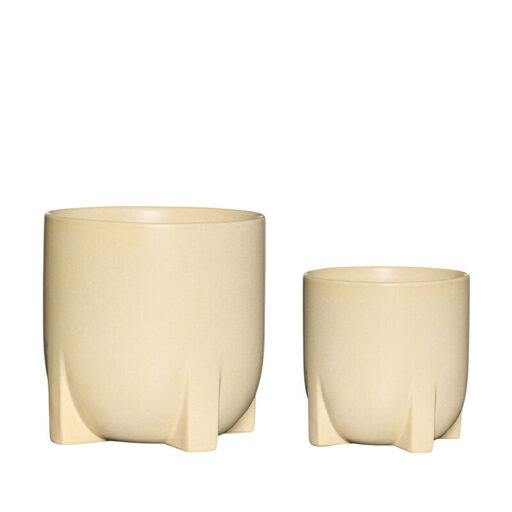
Why we chose it: Ideal for those looking to add a pop of colour and an artisanal touch to their interior. The clean design and ceramic construction will naturally find their place in a Nordic-inspired decor.
For a ceramic pot, the frost-resistant label is a real bonus: it certifies a high-temperature firing process that enhances its durability, even if it's primarily intended for indoor use.
The set of two complementary sizes allows for creating a harmonious composition. The artisanal craftsmanship of the ceramic pot adds a unique touch.
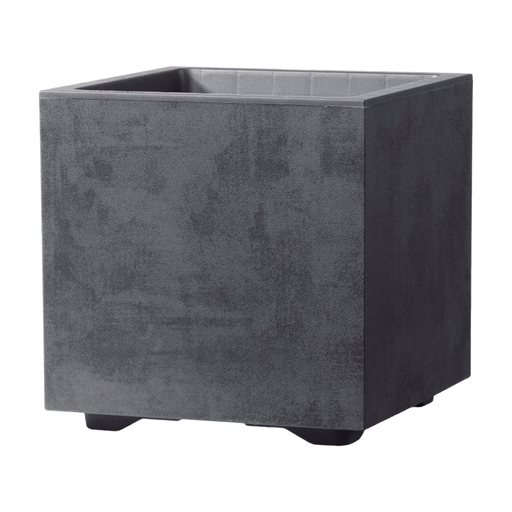
Why we chose it: For those who want a reliable, low-maintenance solution for their balcony or terrace. This pot ticks all the practical boxes: durability, lightness, and water autonomy.
It addresses common pitfalls: made from recycled materials that are frost and UV-resistant, its removable drainage plug offers complete control over water evacuation.
The combination of a self-watering pot and modular drainage makes it the perfect ally for versatile use, both indoors and out.
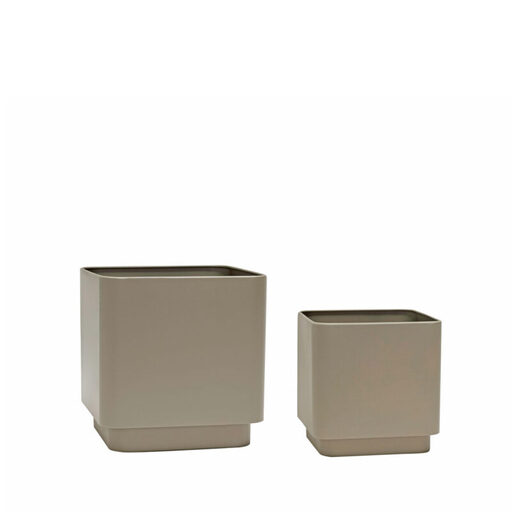
Why we chose it: Perfect for housing large indoor plants and creating a focal point in a living room or office. The cubic iron design brings a chic industrial touch and great stability.
The product sheet clearly states "Indoor use only," so there are no nasty surprises with rust. Its sturdy iron construction eliminates the risk of instability often associated with large designer pots.
A large, stylish flower pot that is also stable, ideal for impressive plants. The set of two sizes allows for creating a coordinated decor.
Explore our full selection of products that tick all the boxes on our checklist and meet current standards.
It's all about drainage.
Frost resistance depends on the material's porosity. For terracotta, look for terms like "high-temperature fired" or an origin from regions known for their expertise (e.g., Impruneta in Italy). For synthetic materials, opt for quality polypropylene or resin pots with sufficient wall thickness. A "UV-resistant" label is also a good indicator of overall durability.
Generally, no. The system is already designed to manage moisture. The water reservoir at the base allows the plant to draw up the water it needs through capillary action via a substrate or wick. Adding a layer of clay pebbles could even be counterproductive by disrupting this mechanism. It's best to follow the manufacturer's instructions for setting up the plant and soil.