
Same-day & Next-day Delivery

Quality Guaranteed

Unlock Your Welcome Offers: FREE Delivery | Up to 80% OFF | Free 30-day JoyPlus trial
Download the APP
Choosing a new flower pot? On the surface, nothing could be simpler. You pick a colour you like, a suitable size, and you're all set. And yet, who hasn't found their balcony littered with cracked pots after a single winter, or watched their houseplants wither despite attentive care? The cause of these disappointments: marketing promises that are a little too good to be true, or well-hidden design flaws.
To prevent a promising purchase from turning into a costly regret, here are the three most common pitfalls to avoid:
Knowing how to recognise these traps is the first step toward a smart purchase that will beautify your spaces for good.
To avoid unpleasant surprises, a few technical specifications make all the difference in your pot's longevity and practicality.
The choice of material directly impacts the look, weight, sturdiness, and ideal location for your pot.
A good pot isn't just beautiful; it makes life easier for your plants.
For those who dream of lush green garden decor or interiors without lifting a finger, the outdoor artificial plant is an excellent solution. Modern models made of UV-treated plastic offer stunning realism and excellent colour retention against sun and weather.
To help you make your choice, here are a few models that meet different needs and styles.
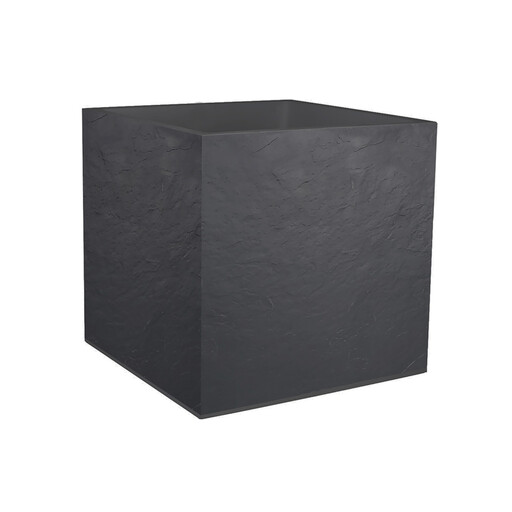
Why we chose it: The perfect choice for anyone looking for a large, robust flower box for a balcony or terrace. Its design is engineered to handle year-round outdoor conditions without issue.
Its injected polypropylene construction and double wall ensure optimal resistance to both frost and UV rays, preventing cracks and fading. The water retention area, which can be easily drilled, provides controlled drainage.
Its double wall protects roots from thermal shock, a real bonus for plant health. Made in France.
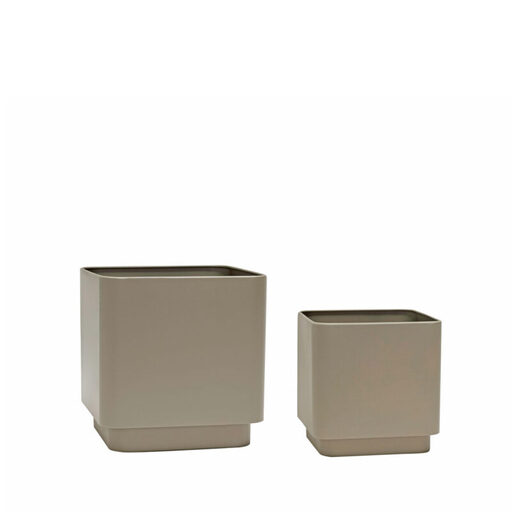
Why we chose it: For those who see the flower pot as a design piece in its own right. This iron set with a geometric look brings a chic industrial touch to a living room or office.
Its use is exclusively indoors, so it forgoes frost resistance to focus on the essentials: a strong design and quality construction (sturdy iron) that clearly distinguish it from generic plastic pots.
The cubic design and mismatched sizes of the set allow you to create a strong, structured visual composition.
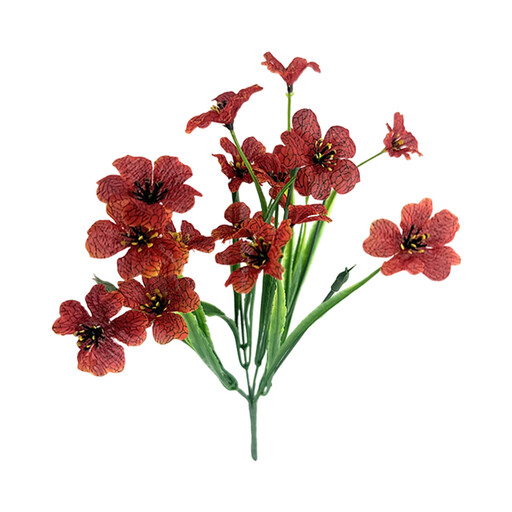
Why we chose it: The ideal solution for adding greenery to a porch, windowsill, or balcony without lifting a finger.
It bypasses all the classic traps: no watering, no diseases, no need for sun. Its quality plastic, treated to be UV-resistant, prevents it from fading prematurely—the main flaw of entry-level artificial plants.
Maintenance: zero. The set of 9 bundles is ready to use for an immediate and lasting decorative effect.
Discover our complete selection of products that meet our quality criteria and current standards.
Rely on the explicit "frost-resistant" mention on the label or product sheet. Materials like high-quality polypropylene, fibre-stone, or injected resin are good indicators. A double wall is also an excellent sign of a design intended for the outdoors. In the absence of information, be wary of unglazed terracotta or overly thin plastic pots, which are the first to crack.
It's a brilliant solution for plants that like consistent moisture (ferns, tropical plants...) and for those who tend to forget to water. However, for plants that need their soil to dry out between waterings (succulents, cacti, lavender...), this system can maintain excessive moisture and cause root rot. Therefore, you should always match the pot to the specific needs of the plant.
That's a very bad idea. A designer indoor flower pot is made with materials (fine ceramic, untreated metal...) that are not designed to withstand frost, heavy rain, or UV rays. Conversely, an outdoor flower pot is designed with durable materials and proper drainage to resist the elements. Placing an indoor pot outside is a surefire way to see it degrade in record time.