Homes with hard floors that need frequent washing
On tiles or other compatible flooring, the appliance can handle routine wet cleaning. You’ll also need to empty the tanks and maintain the roller or filter as directed in the manual.


For regular washing of compatible hard floors, a floor cleaner can be a useful addition to your household cleaning kit, but it won’t necessarily replace your vacuum cleaner. UFC-Que Choisir points out that these appliances are mainly designed to wash floors and don’t pick up dry dust and debris very well. A cordless model makes it easier to move around, but you’ll need to keep an eye on battery life; a corded model avoids recharging, but its cable restricts your movement. If you also need to clean rugs, large amounts of dry debris or flooring whose compatibility is uncertain, it’s safer to keep your vacuum cleaner and use a suitable method for washing the floor.
A floor cleaner is mainly suited to regular wet cleaning, provided you’re happy to clean and maintain it after every use.
On tiles or other compatible flooring, the appliance can handle routine wet cleaning. You’ll also need to empty the tanks and maintain the roller or filter as directed in the manual.
A floor cleaner can take care of wet cleaning, while your vacuum cleaner remains useful for dry dust and debris. UFC-Que Choisir advises against treating these appliances as an automatic replacement for a conventional vacuum cleaner.
If how easy the appliance is to look after after cleaning matters just as much as how it performs on your floors, check how easy the tanks are to access and whether compatible rollers, filters and detergents are available for the model you choose.
Start by considering your flooring and the types of dirt you need to tackle, then compare how easy each appliance is to move around and maintain.
Consider it: for wet cleaning across several rooms or around furniture, on compatible hard floors.
Bear in mind: you’ll need to recharge it, and battery life limits how long you can use it.
Consider it: for washing compatible hard floors without stopping to recharge a battery.
Bear in mind: you’ll need to plan around plug sockets and moving the cable between rooms.
Keep this option: if dry dust, rugs or carpets are part of your regular cleaning routine.
Bear in mind: vacuuming and mopping are generally two separate steps, and you’ll need a cleaning method that’s suitable for your flooring.
| Priority | What to check | My needs |
|---|---|---|
| Types of dirt | Consider how much dry dust and debris you need to deal with. For stubborn stains, look for tests involving dirt similar to what you have at home. | I want to clean everyday marks, but I also need to be able to pick up crumbs or dry dust if they’re a regular problem. |
| Flooring | Check the manual for the exact model against each type of flooring. Don’t use a wet floor cleaner on wood flooring if the manual rules it out. | My home may have several types of flooring, so I want to know which ones can actually be cleaned with the appliance I’m considering. |
| Getting around | For a cordless model, check the stated battery life and charging time. For a corded one, check the cable length and where your plug sockets are. | I value freedom of movement around furniture and between rooms, but for a longer cleaning session I’d rather not have to stop to recharge. |
| After-use maintenance | Check how to empty the tanks, clean the roller and filter, and leave them to dry. Find out exactly what any automatic cleaning cycle takes care of. | Saving time while cleaning only matters to me if the jobs afterwards are still manageable. |
| Consumables | Check which rollers, filters and detergents are compatible with the exact model, how often they should be replaced and whether they’re available. | I want to keep using the appliance without relying on an accessory that’s hard to find. |
According to UFC-Que Choisir, these cleaners are mainly designed to wash hard floors. They don’t pick up dry dust and debris as well as a vacuum cleaner.
Keep a vacuum cleaner for dry debris, rugs and carpets, and use the floor cleaner for wet cleaning on the flooring allowed by its manual.
Once you’ve finished cleaning, the dirty water, roller and washable parts still need attention. An automatic cleaning cycle doesn’t remove the need for all this upkeep.
Before choosing, read the full maintenance instructions and work out where you’ll empty, clean and dry the appliance.
UFC-Que Choisir says that rollers, filters and detergents need regular replacement, and compatibility depends on the model.
Find out which accessories and products are suitable for the model you’re considering, and how often they need replacing.
Instructions can vary depending on the cleaner, the flooring and the detergent. A general claim that it’s suitable for “hard floors” doesn’t confirm that it’s compatible with a particular type of wood flooring.
Check the manual before first use. Don’t use the appliance if your flooring is excluded, and follow the instructions on which cleaning products to use.
These models can help you compare product ranges and their usage instructions, but the brand alone can’t tell you how a specific model will perform.
The X-Clean range includes floor cleaners and dedicated accessories.
The FLOOR ONE range includes cordless floor cleaners with roller maintenance features, depending on the model.
Kärcher makes hard-floor cleaners. The FCV 4 Extra is one of the models featured in French tests by UFC-Que Choisir.
Bissell is one of the floor-cleaner manufacturers mentioned in French buying guides for this category.
These four appliances are designed for wet cleaning hard floors: three are cordless and one is corded with a steam function. They don’t include the vacuum cleaner and mop option mentioned above.
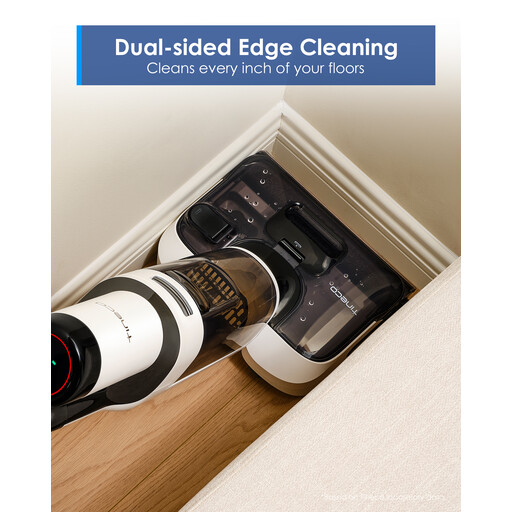 Image unavailable
This cordless cleaner is designed for wet cleaning compatible hard floors, particularly where access underneath furniture matters. Its product description lists a 180° recline, a 13 cm clearance, 40 minutes of battery life and FlashDry at 70 °C. Check the manual to make sure each type of flooring is suitable, especially wood flooring, and to find out what maintenance is required after use.
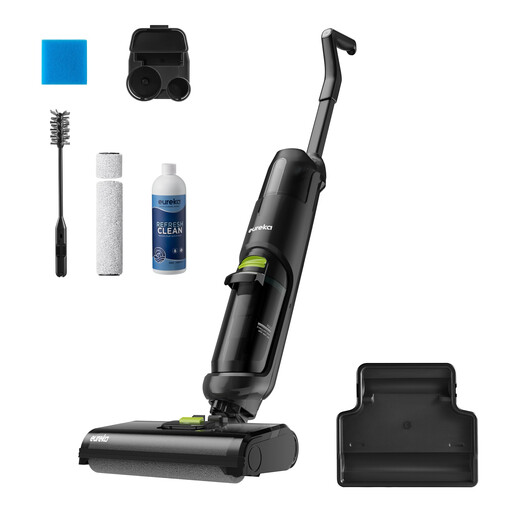 Image unavailable
This model is described as a cordless wet cleaner for hard floors, with an automatic cleaning function. This feature doesn’t remove the need to follow the model’s maintenance instructions. Before using it on wood, check that the manual specifically allows your type of flooring and finish.
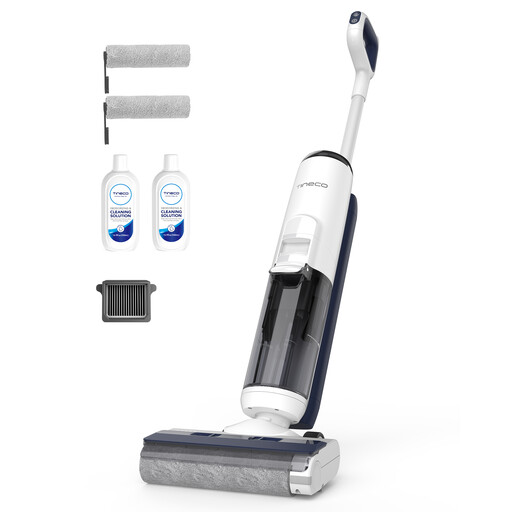 Image unavailable
This cordless cleaner is designed for wet cleaning hard floors. Its product description lists 35 minutes of battery life, edge cleaning and an automatic cleaning function. Check the manual to make sure it’s suitable for your flooring, and remember to empty the dirty-water tank after use.
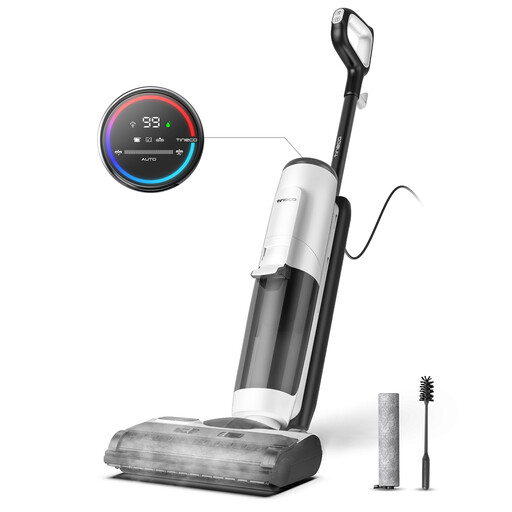 Image unavailable
This corded model with a steam function means you won’t need to recharge a battery when cleaning the hard floors permitted by its manual. Its product description lists an 8 m cable: check that it’ll reach from your plug sockets, and confirm which types of flooring are suitable before using steam, especially wood flooring.
Not necessarily. UFC-Que Choisir says these appliances are mainly designed to wash hard floors and don’t pick up dry dust and debris very well. Keep a vacuum cleaner if dealing with these is part of your regular cleaning routine.
Only if the manual for the model you’ve chosen says it’s suitable for your flooring and explains the conditions for use. Don’t use the appliance if the manual rules out your flooring. Guidance for one model or sealed wood flooring doesn’t apply to all wood floors.
No. An automatic cycle may clean the roller, but you’ll still need to deal with the tanks and check any other parts mentioned in the manual. The exact steps depend on the model.
No. Check which products and dosages are permitted in the floor cleaner’s manual. UFC-Que Choisir highlights the importance of using a product suited to the appliance’s foaming and pH requirements; the manufacturer may have more specific instructions.
Stop using it and check the official RappelConso notice for this model to follow the instructions. The French recall published on 10 July 2026 warns of a fire risk caused by a manufacturing defect.