
Livraison le jour même ou le lendemain

Qualité garantie

Débloquez vos offres de bienvenue: Livraison GRATUITE | Jusqu'à -80 % | 30 jours d'essai gratuits à JoyPlus
Téléchargez l'application
Hard floors quickly become covered in dust, crumbs, pet hair or liquid spills. A floor-washing vacuum cleaner combines vacuuming and mopping in a single pass, but not every model is designed for the same uses. Between cordless appliances, wet and dry vacuum cleaners, steam mops and electric mops, the right choice mainly depends on your flooring and cleaning habits.
Before you reach the checkout, there are three pitfalls to avoid.
With a 2-in-1 vacuum cleaner, having two separate tanks is a real advantage. Clean water is used for mopping, while the collected water and dirt are stored in a separate container. This means the floor is not cleaned with water that is already full of dust.
Also check the capacity of these tanks. Compact models are well suited to flats or quick cleaning jobs. Appliances with larger capacities are more comfortable to use in a garage, workshop or commercial premises. After each use, empty the tanks, rinse the removable parts and allow them to dry completely.
A cordless floor-washing vacuum cleaner can be moved easily from room to room, provided its battery life covers the area you need to clean. For example, the Lubluelu T6 claims 30 minutes of battery life, with a 540 ml clean-water tank and a 460 ml dirty-water tank. Charging time matters too: on this model, it takes four hours.
Corded appliances can run continuously, but you have to work around the cable. The BISSELL CrossWave HF2 has a 7.74 m cable, while the Tineco Floor One S5 Steam Corded claims an 8 m cord. When cleaning stairs, a car or several distant rooms, the weight, hose length and operating range can prove just as important as power.
A hard-floor vacuum cleaner is generally suitable for tiles, vinyl and certain sealed parquet floors, depending on the manufacturer’s recommendations. However, a floor-washing appliance is not necessarily suitable for thick rugs or carpets.
A steam mop works differently: it uses steam, without a vacuum system or dirty-water collection. The ROUNY Steamo X can be used upright or by hand, with two steam levels, a claimed heat-up time of around 25 seconds and several accessories. However, keep steam away from sockets, electrical appliances, people and animals.
The models below meet different requirements. The specifications provided come from the product listings; always check the manual and labelling before use.
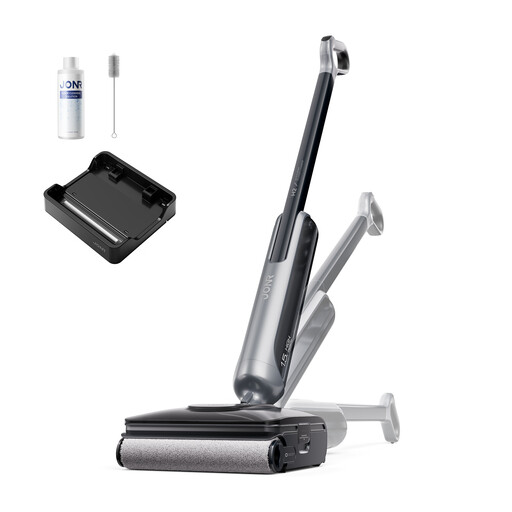
Why this choice suits this profile : This cordless appliance combines vacuuming and mopping. Its design allows it to tilt by up to 180° to reach certain low areas. It is aimed at people who want to replace several cleaning passes with one appliance on compatible water-resistant hard floors.
The product listing states that it must not be used on long-pile carpets or delicate floors that could be damaged by water. This restriction prevents you from choosing it for overly versatile use.
Claimed suction power of 20 000 Pa and cordless operation. The charging base must be installed on a flat, dry surface.
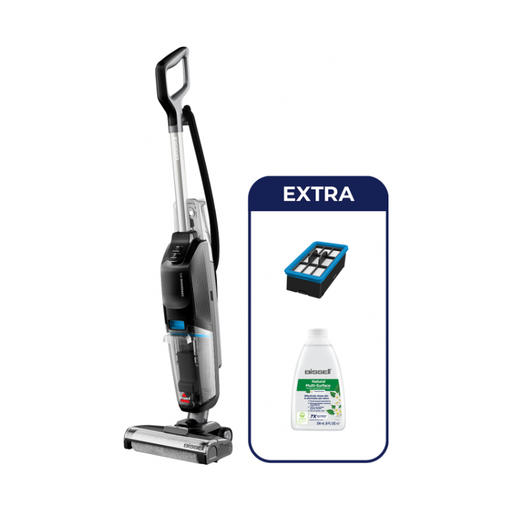
Why this choice suits this profile : Its corded power supply suits households that prioritise continuous operation on hard floors. It vacuums and mops at the same time, making regular cleaning easier in a family home.
The two tanks keep clean water separate from dirty water. The roller and appliance interior self-cleaning function helps prevent oversights, but you still need to rinse and dry the various parts.
0.75 L clean-water tank, 0.58 L dirty-water tank and 7.74 m cable. The appliance is described as self-standing.
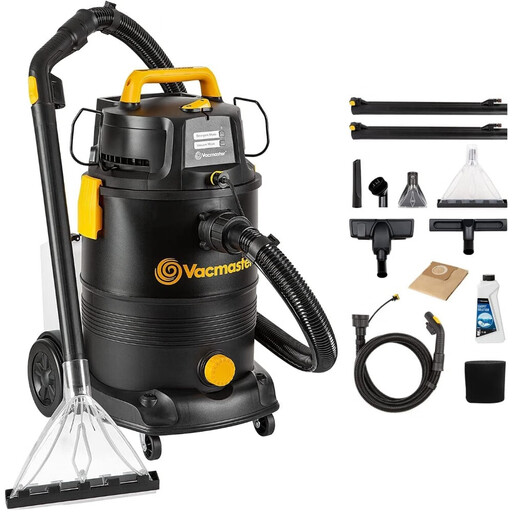
Why this choice suits this profile : With its tank, this appliance is intended for garages, workshops, cars, offices and maintenance work requiring long sessions. It can vacuum both dry and wet dirt, depending on the mode and accessory used.
Its 30 L tank and 10 m operating range are suited to large areas. At a claimed 10.8 kg, however, this is an appliance designed to be wheeled around, not a lightweight stick vacuum to carry everywhere.
1 300 W motor, wet and dry vacuuming, with dedicated accessories for floors, rugs and upholstery.
We have selected a comprehensive, real-time updated list of products that meet these demanding selection criteria and European safety standards.
Choosing the right cleaning product is just as important as choosing the appliance. If the manual specifies it, use only a solution compatible with the manufacturer. A liquid that is too foamy or incorrectly dosed can disrupt the water circuit and leave marks on the floor.
For manual cleaning, the floor cleaner should be selected according to the flooring. CAROLIN linseed oil parquet cleaner is intended for modern parquet and washable wooden surfaces; dilute it according to the instructions on the label. CAROLIN Nature Activ wipes are designed for parquet and can be used on a dry or slightly damp floor, without soaking the surface.
SANYTOL disinfectant for floors and surfaces is described by the brand as complying with EN 13697, EN 1650 and EN 14476 standards. These claims apply under the conditions specified on the label: follow the dilution instructions, contact time and any rinsing guidance, particularly for surfaces that come into contact with food. Wear gloves if necessary and keep biocides out of the reach of children.
Not always. Some appliances require a branded solution or simply recommend using clean water. An incompatible product may cause excessive foaming, block the circuit or damage the seals. Check the manual before changing cleaning solution.
It depends on the model, selected mode, power level and condition of the battery. A claimed battery life of 30 to 40 minutes does not necessarily correspond to the available operating time in intensive mode. For a large house or professional use, a corded appliance or a large-capacity tank may be more practical.
Unplug the appliance, empty the tank after each use and rinse the parts intended for this purpose. Clean the filters, then wait until they are completely dry before refitting them. Never immerse the motor unit, plug or electrical components in water. Also inspect the accessories to remove any accumulated hair, pet fur and debris.