Homes with tiled or vinyl floors that need frequent cleaning
A floor washer could suit your everyday wet-cleaning needs if emptying, rinsing and drying the appliance fit into your routine.


For tiled or vinyl floors, a floor washer can be a good choice for frequent wet cleaning, provided you’re happy to empty its tanks and maintain its accessories after use. According to UFC-Que Choisir, its main purpose is to wash hard floors. For dry debris or stubborn stains, keep a vacuum cleaner and use a cleaning method suited to your flooring. If you have a wooden floor, check the flooring manufacturer’s guidance first rather than assuming a wet-cleaning appliance is suitable.
A floor washer could suit your everyday wet-cleaning needs if emptying, rinsing and drying the appliance fit into your routine.
If you regularly need to clear up crumbs and dust, keep a dedicated vacuum cleaner. UFC-Que Choisir distinguishes the washing function of these appliances from vacuuming dry floors.
If you have a wooden floor or another surface that needs very little moisture, check the flooring manufacturer’s guidance before choosing a floor washer. Quick-Step warns that too much water can damage wooden flooring.
Start by distinguishing everyday wet cleaning from vacuuming dry debris, then consider the maintenance each option requires.
| Priority | What to check | My needs |
|---|---|---|
| Everyday cleaning | Check which floors are suitable, how the appliance collects water and the model’s cleaning instructions. For a cordless appliance, compare the stated battery life with the area you need to clean. | I often clean tiled or vinyl floors and want a regular wet clean, but I don’t expect the appliance to remove every set-in stain. |
| Debris and stains | Don’t confuse water collection with vacuuming dry dust. UFC-Que Choisir notes that floor washers can have limitations when it comes to vacuuming and stain removal. Look for results for the specific model and types of dirt you need to tackle. | Crumbs and the occasional stain matter just as much as washing my floors, so a separate vacuum cleaner and a suitable mop are still useful. |
| Maintenance | Check how to empty the tanks, remove and dry the rollers or pads, and access the filters. Make sure consumables are available for the exact model. | I’d rather know what I need to do after every clean, even if the model has a self-cleaning cycle. |
| Flooring | Check both the flooring manufacturer’s instructions and those for the appliance. UFC-Que Choisir advises against using this category on wooden floors; Quick-Step warns against excess water on its wooden floors. | If my flooring doesn’t tolerate much moisture, I want to choose a cleaning method approved for that specific surface. |
According to UFC-Que Choisir, floor washers are designed primarily for wet cleaning; their ability to pick up dry dust and debris can be limited.
If you regularly deal with this kind of mess, plan to vacuum separately and use the floor washer for wet cleaning.
An automatic cycle doesn’t mean you can skip checking the collected water, roller or pads, and filters.
Read the full instructions for emptying, rinsing, drying and storing the model you’re considering.
UFC-Que Choisir notes that rollers, filters and detergents need regular replacement and are generally specific to each brand.
Check which parts are compatible and how often they need replacing before choosing an appliance.
Wooden flooring can be sensitive to excess water. Quick-Step recommends limiting moisture when cleaning its wooden floors.
Follow your flooring’s care instructions. If they allow a damp mop, use it as directed rather than assuming a water-based floor washer is suitable.
Rowenta France describes the X-Clean 7 as a cordless vacuum and floor washer.
Roborock France includes the F25 Ultra among its wet-cleaning appliances.
The H15 Pro Heat is among the models covered in UFC-Que Choisir’s articles on floor washers.
This selection includes cordless floor washers that you operate yourself and robot vacuums with a mop function. To choose between them, consider how you want to wet-clean your floors and what maintenance the appliance needs. This selection doesn’t replace comparing them with a separate vacuum cleaner and mop.
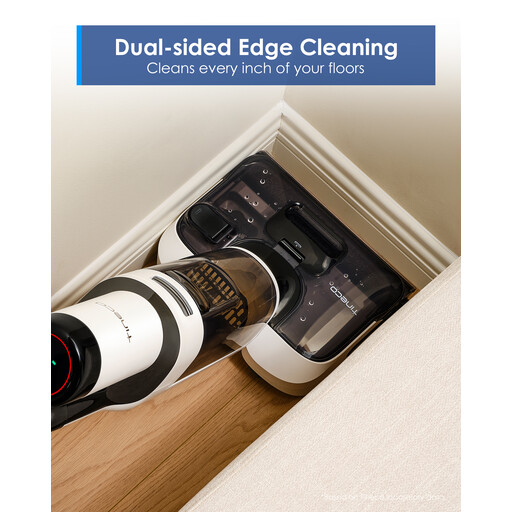 Image unavailable
Designed for wet cleaning hard floors, this model washes while collecting water. Its product title lists a 180° lie-flat position, a height of 13 cm, a 70 °C FlashDry cycle and up to 40 minutes of battery life. Also check what’s involved in emptying and drying it after use.
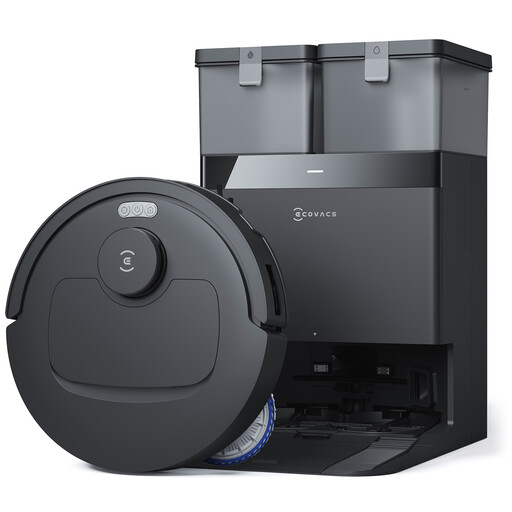 Image unavailable
This robot offers a mopping function as an alternative to a handheld appliance. Its product title mentions OZMO Turbo 2.0 pads, an OMNI station, pad washing at 75 °C and a stated suction power of 25 000 Pa. This figure alone doesn’t show how well it picks up dry debris.
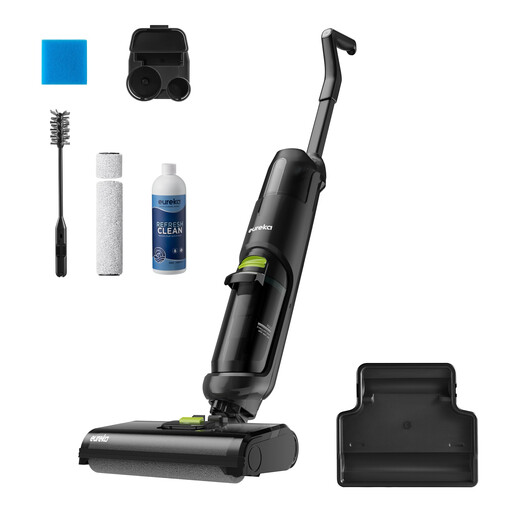 Image unavailable
For everyday cleaning on a compatible floor, this model combines wet and dry cleaning and has a self-cleaning system. The mention of wooden flooring in its product title doesn’t remove the need to check your flooring manufacturer’s instructions before wet cleaning.
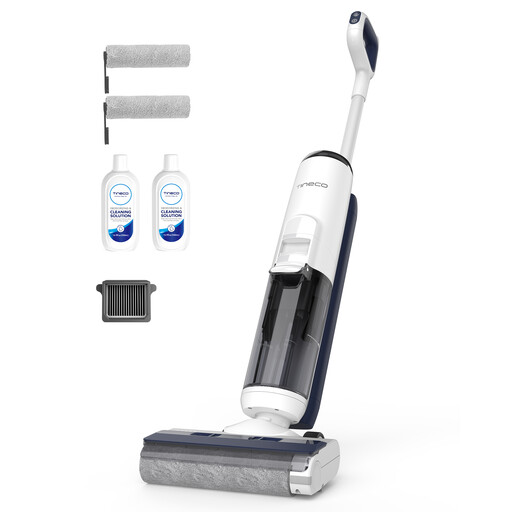 Image unavailable
This model is designed for wet and dry cleaning on hard floors, with advertised edge cleaning and a self-cleaning cycle. Its product title states up to 35 minutes of battery life. Remember to empty and maintain it after cleaning.
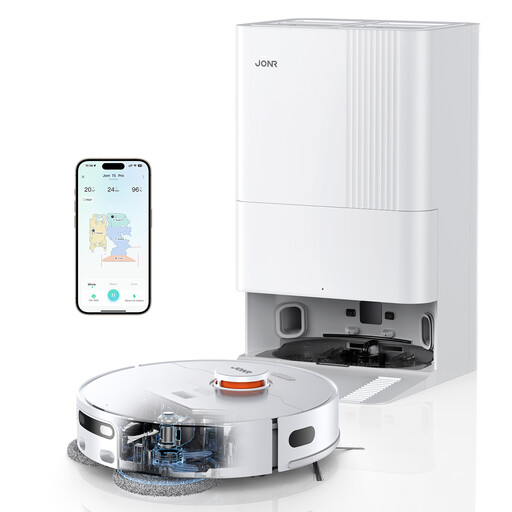 Image unavailable
This robot offers another way to wet-clean hard floors. Its product title lists laser navigation, an all-in-one station, hot-air drying and suction power of 8150 Pa. Check how it handles water and what maintenance the station needs for your use.
Not if you regularly need to pick up dry dust and debris. According to UFC-Que Choisir, this category is designed primarily for wet-cleaning hard floors, and its ability to vacuum dry floors can be limited. If so, keep a dedicated vacuum cleaner.
A floor washer is mainly for everyday cleaning, so don’t assume it will remove a set-in stain. UFC-Que Choisir tests appliances with substances including mud, coffee, mustard, jam and limescale. Check the results for the model you’re considering and the types of dirt you need to tackle.
Don’t assume it’s suitable. UFC-Que Choisir advises against using this category on wooden floors, and Quick-Step warns that too much water can damage wooden flooring. Follow your flooring manufacturer’s instructions to choose an approved cleaning method.
Plan to empty the tanks and check and clean the roller or pads and filters as instructed for your model. A self-cleaning cycle may take care of some of this, but you’ll still need to check which parts need drying or putting away.