
Livraison le jour même ou le lendemain

Qualité garantie

Débloquez vos offres de bienvenue: Livraison GRATUITE | Jusqu'à -80 % | 30 jours d'essai gratuits à JoyPlus
Téléchargez l'application
Between pet hair, footprints and dust that keeps coming back, choosing a floor cleaning appliance deserves a proper comparison. A robot vacuum mop, a steam mop or a flat mop don't all meet the same needs. The right choice depends mainly on the surface area to be treated, the type of dirt and the time you're willing to spend on cleaning.
For a robot vacuum with an automatic station, a high suction power expressed in pascals can seem particularly appealing. However, this figure alone isn't enough to assess real-world effectiveness in a home. Navigation, brush design, carpet detection and filter maintenance all play an important role in daily use.
A Pa value should therefore be compared between appliances in the same category, without being seen as a guarantee of results on all floor types.
An automated appliance reduces some tasks, but it doesn't eliminate them entirely. You'll still need to empty the dirty water tank, refill the clean water tank, clean the sensors and replace consumables. For a robot vacuum, also check the price and availability of bags, filters, brushes and mop pads.
Accessories for a robot vacuum must be compatible with the exact model of your appliance. A washable microfibre mop pad designed for a different model may fit poorly or reduce cleaning quality.
A steam mop is mainly suitable for varnished hard floors or those that are properly sealed, according to the manufacturer's instructions. It should not be used without caution on unvarnished parquet, moisture-sensitive laminate flooring or surfaces with fragile grouting. Steam and heat can also cause burns.
Before buying, consult the manual and always test the appliance on an inconspicuous area.
For a vacuum mop or a combined robot, clearly distinguish three functions: vacuuming dust, dampening the surface and collecting dirty water. An appliance can be very effective on crumbs while still needing several passes to tackle dried-on stains.
In large rooms, the stated battery life should be considered alongside the actual area cleaned, the selected mode and the presence of any carpets. Multi-floor mapping can be useful in a house with several levels, provided you can manually move the appliance and its station if needed.
A flat mop lets you control the moisture level directly and is ideal for quick touch-ups. A mop and bucket set with separation of clean and dirty water prevents the two compartments from mixing. Check the bucket capacity, how easy the wringer is to use and whether the mop head is machine-washable.
On a robot, carefully examine how the station works: pad washing, drying, automatic refilling and dust disposal. These features reduce manual handling, but they increase the footprint and the number of components to maintain.
Measure the space available around an automatic station, especially in front of furniture and in hallways. For a corded mop, the cable length determines the area you can cover without changing sockets. A telescopic dust mop should remain light enough and stable when fully extended.
Always compare the stated dimensions with the layout of your home, not just the space available in your cupboard.
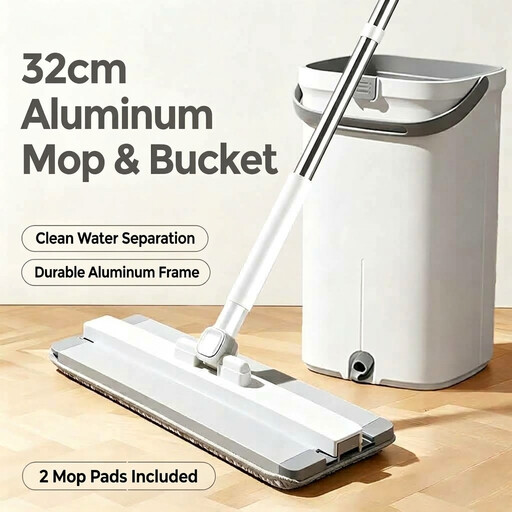
Why this choice suits this profile: this manual set is ideal for apartments and users who want to clean their hard floors without an app, battery or complicated setup.
The separation between clean and dirty water means you don't have to keep dipping the mop back into already soiled water. The built-in wringer also reduces contact with your hands.
32 cm flat head, microfibre pad usable dry or damp, separate compartments and one-handed wringing, according to the product description.
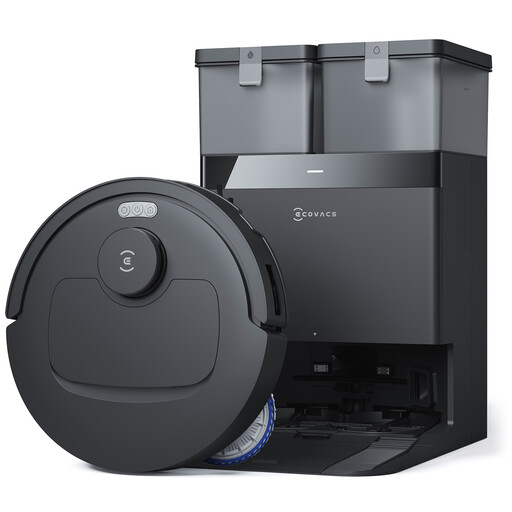
Why this choice suits this profile: this robot vacuum with automatic station is aimed at households that prioritise automation and are happy with a larger appliance.
The station combines dust disposal, pad washing at 75 °C, hot air drying and clean water refilling. However, you still need to keep an eye on the tanks and brushes.
Stated suction of 25,000 Pa, OZMO Turbo 2.0 mopping, TrueMapping 2.0 navigation, carpet detection and brushes designed to reduce hair tangling.
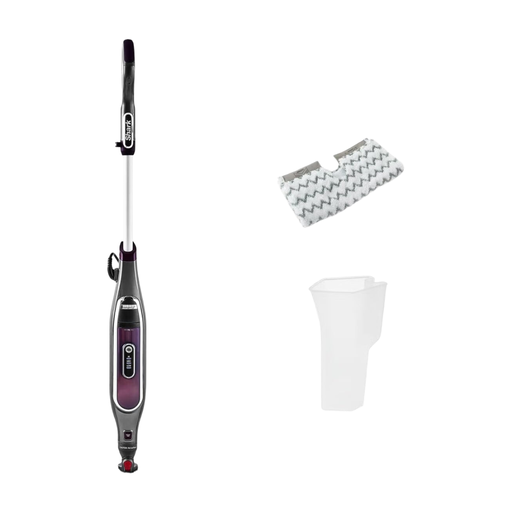
Why this choice suits this profile: this corded steam mop is suitable for people who regularly need to clean varnished or sealed hard floors, as well as localised dirt.
Its washable pads mean you don't need to buy disposable cloths every time. The 6 m cable reduces the need to change sockets, while the steam setting lets you adapt the use to the floor type.
1,200 W power, stated heat-up in 30 seconds, two washable pads and concentrated steam function for stubborn stains.
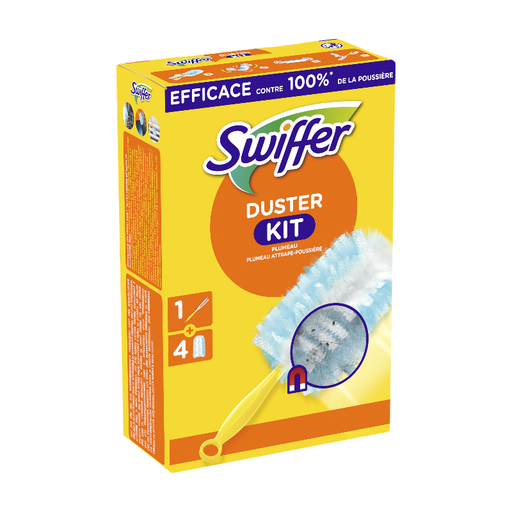
Why this choice suits this profile: this dust mop complements a washing appliance by quickly removing dust, hair and fluff from furniture or hard-to-reach areas.
It is designed for dry dusting: this clearly defined limitation prevents it from being used in place of a mop or an appliance intended for wet stains.
Soft fibres designed to trap dust and four refills included. These refills are compatible with Swiffer Duster handles as specified by the manufacturer.
We've put together a comprehensive, real-time updated list of products that fully meet these strict selection criteria and European safety regulations.
A robot vacuum mop fitted with a brush designed to reduce tangling can be suitable for frequent pet hair removal, provided you clean the roller and filter regularly. For skirting boards, furniture and stairs, a dust mop or a handheld vacuum is still very useful.
The cost depends on the compatible bags, filters, brushes, pads and cleaning products. Before buying, check the availability of parts and the recommended replacement frequency in the manual. An automatic station reduces manual handling, but it generally involves more consumables than a flat mop.
It is generally suitable for damp cleaning of water-compatible surfaces. On parquet, laminate flooring or sensitive coverings, use a moderate amount of water and follow the manufacturer's recommendations. The microfibre should be washed regularly and replaced when it loses its absorbency or shows signs of wear.