For frequent cleaning of lightly soiled hard floors, a cordless floor cleaner can make mopping easier, provided you’re happy to empty and clean it after use. Keep a vacuum for dry dust and debris, as well as rugs and carpets: tests by UFC-Que Choisir highlight the limitations of floor cleaners for these tasks and for stubborn stains. If you’d rather use two separate appliances, a vacuum and mop let you deal with these needs separately, but cleaning hard floors takes two steps.
Which approach is right for you?
How often you mop matters, but rugs and the time you have for cleaning up afterwards can also influence your choice.
Households that mop hard floors often
A floor cleaner can be a good choice for regular cleaning of tiles and other hard floors, tackling everyday dirt. You’ll also need to empty the dirty water and maintain the parts specified in the instructions. UFC-Que Choisir distinguishes this type of use from removing stubborn stains.
Homes with hard floors and rugs
Keep a vacuum suitable for rugs or carpets. An appliance with separate vacuuming and washing heads can handle both jobs, provided it includes the right accessories and you use them on the recommended floor types.
Buyers who want to know what’s involved in upkeep
Compare cleaning the floor with what you’ll need to do afterwards: empty the tanks, clean the roller and replace consumables as instructed. UFC-Que Choisir notes that rollers, filters and detergents can be specific to a brand or model.
What should you look for before choosing?
Start with the surfaces you need to clean and the kind of dirt you usually deal with, then consider what’s involved after cleaning. A dedicated floor washer, two separate appliances and a vacuum with a washing attachment are designed for different needs.
| What to consider |
What to check |
Depending on your needs |
| Everyday mopping |
Check which floors are suitable, how the appliance wets the roller or pad, and how it collects dirty water. Distinguish everyday marks from ingrained stains: UFC-Que Choisir’s tests highlight limitations when it comes to the latter. |
“I clean my hard floors often and want to combine tasks when dealing with everyday dirt.” A floor cleaner may suit this kind of use, but it won’t replace a targeted stain-removal method. |
| Dry vacuuming |
Check which surfaces each head is designed for and confirm which accessories are included. According to UFC-Que Choisir’s guide, a dedicated floor cleaner doesn’t replace a vacuum for dry dust and debris. |
“I also have crumbs, rugs or carpets at home.” I’ll keep a suitable vacuum, either on its own or paired with a washing attachment designed for hard floors. |
| Cleaning after use |
Check how to empty the tanks, access the roller and filter, and run any self-cleaning cycle. Dyson and Tineco support instructions both include tasks to carry out after use, even for appliances with maintenance features. |
“I want to know what I’ll still need to clean once the floors are done.” A self-cleaning function alone doesn’t tell you how much time you’ll need to spend on the tanks and roller. |
| Consumables |
Check the part numbers for rollers, filters and approved cleaning solutions for the exact model, along with the recommended replacement frequency. Don’t use a cleaning product unless its compatibility has been confirmed. |
“I want to be able to find the parts I need to maintain the appliance.” I’ll check availability and any restrictions in the instructions before choosing. |
What mistakes should you avoid?
-
Assuming a “vacuum mop” fully replaces a vacuum cleaner
An appliance that washes hard floors won’t necessarily vacuum up dry dust or clean rugs. UFC-Que Choisir notes this limitation with dedicated floor cleaners.
Make a list of your hard and soft floor coverings. If dry vacuuming matters, keep a vacuum or check that a system with separate heads includes the right accessories.
-
Relying on a floor washer to remove ingrained stains
UFC-Que Choisir’s tests show that products in this category have limited effectiveness on stubborn stains. A brand’s claim of a more powerful mode doesn’t guarantee results on every type of dirt.
Choose a floor washer for regular cleaning if it suits your needs, and plan to use a separate method for targeted stain removal.
-
Confusing self-cleaning with no maintenance
Dyson and Tineco support instructions still require you to empty dirty water and maintain parts after use.
Before buying, check how to remove the roller, access the tanks and start the self-cleaning cycle on the model you’re considering.
-
Forgetting that consumables can be model-specific
UFC-Que Choisir says that rollers, filters and detergents need replacing regularly and are often specific to a brand.
Make a note of the compatible part numbers and check the replacement recommendations and availability of the parts you’ll need.
Brands worth knowing
The ranges below show some of the different configurations available. Features vary by model, and these examples aren’t necessarily the same as the appliances featured later.
Kärcher
Kärcher offers FC floor cleaners with rollers and FCV vacuum mops. Check the features of each model individually.
- Kärcher’s FC 7 Cordless product page lists four rollers and the collection of dry and wet dirt from hard floors.
- This manufacturer’s description doesn’t prove that the FC 7 replaces a conventional vacuum or removes stubborn stains.
Tineco
The FLOOR ONE range includes cordless roller floor washers. Steam, a lay-flat position and roller drying depend on the model.
- Tineco lists features including a lay-flat position and FlashDry on the FLOOR ONE S7 Stretch Steam.
- For the models concerned, Tineco’s instructions still say to empty the dirty water and clean the brush after use.
Dyson
Dyson offers the WashG1, a hard floor washer, and the Cyclone V10 Submarine, a vacuum with a separate washing head.
- Dyson says the V10 Submarine’s Motorbar brush is designed for rugs and carpets, while its Submarine head washes hard floors.
- For the WashG1, Dyson support instructions include a self-cleaning cycle as well as emptying the collector and tanks.
BISSELL
BISSELL offers accessories and cleaning solutions for its CrossWave and SpinWave ranges.
- The BISSELL France catalogue lists CrossWave solutions and SpinWave pads for different surfaces and uses.
- Check that the item is compatible with your appliance and the floor type you have. An accessory being available within a range doesn’t tell you what every model can do.
Joybuy options for hard floors
This selection includes cordless floor washers that you guide by hand, as well as robot vacuum mops for everyday hard floor care. Robots work differently: their docking station features don’t eliminate every task involving the tanks and cleaning parts.
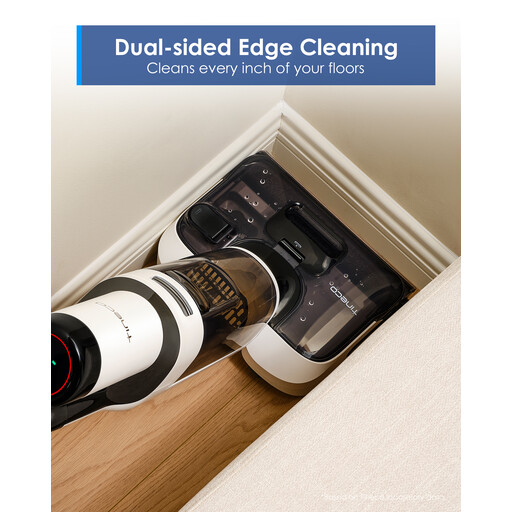 Image unavailable
Tineco Floor One Stretch S6
This cordless floor washer is worth considering if cleaning under furniture is part of your hard floor care routine. Its product details list a 180° lay-flat position, access under 13 cm, 40 minutes of runtime and 70 °C FlashDry self-cleaning. Check the emptying and roller care instructions for this model; don’t assume it replaces dry vacuuming on every surface.
View on Joybuy
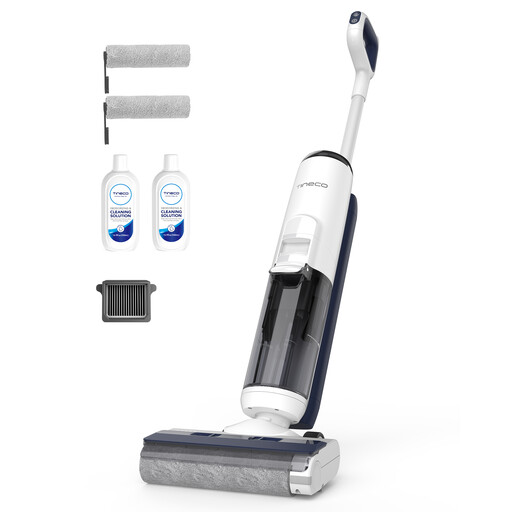 Image unavailable
Tineco iFLOOR 5 Breeze Complete
This cordless model is designed for everyday washing of smooth hard floors, not rugs or carpets. Its name lists up to 35 minutes of runtime, edge cleaning and roller self-cleaning. The product details also say to empty the dirty water after use, so bear this in mind if you’re looking to cut down on the tasks involved.
View on Joybuy
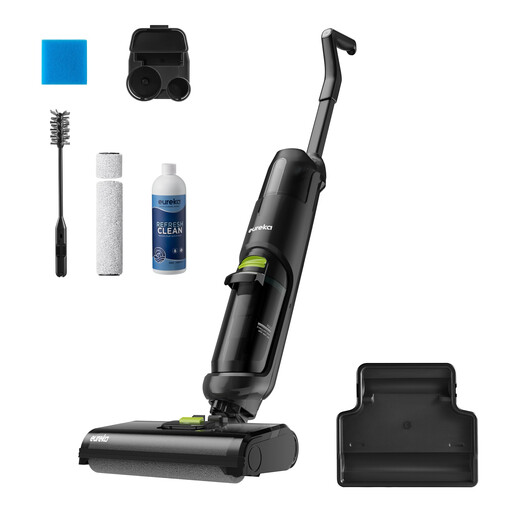 Image unavailable
Eureka NEW400
This cordless vacuum mop with a self-cleaning system is designed for maintaining sealed hard floors. Its product details list separate clean and dirty water tanks and up to 30 minutes of runtime. Check that your flooring is suitable for wet cleaning, and allow time to empty and maintain the appliance as instructed after use.
View on Joybuy
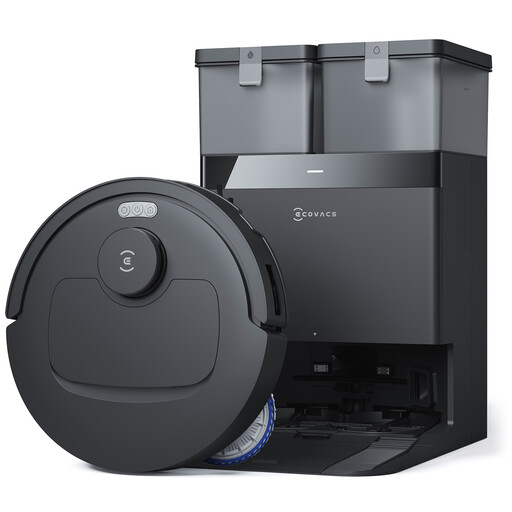 Image unavailable
ECOVACS DEEBOT T30C OMNI Gen2
This robot offers automated cleaning rather than a washer you guide by hand. Its product details list 25 000 Pa suction, mop washing at 75 °C and an OMNI station. These figures describe the advertised features, not a guaranteed result on stains. You’ll still need to refill the clean water and empty the dirty water as required.
View on Joybuy
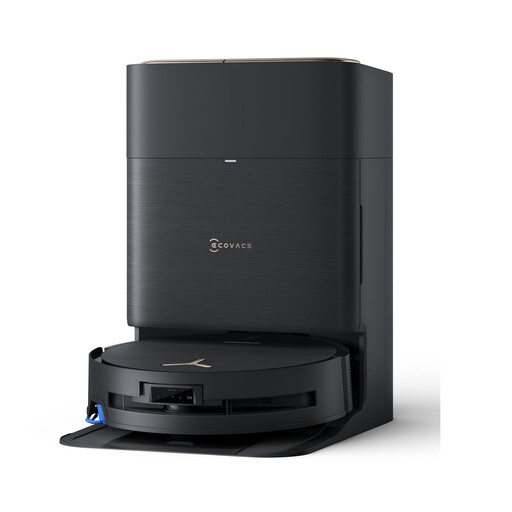 Image unavailable
ECOVACS DEEBOT X9 PRO Omni
This robot may suit a home with a mix of hard floors and rugs, provided its instructions are appropriate for each surface. Its product details list 16 600 Pa suction, an OZMO washing roller, rug detection and a station that washes and dries the cleaning parts. Check the rules for lifting the cleaning head over your rugs; you’ll still need to empty the tanks and clean the brushes and filters regularly.
View on Joybuy
Frequently asked questions
Can a floor cleaner replace my vacuum?
Not for every task. UFC-Que Choisir’s guide says a dedicated floor cleaner doesn’t replace a vacuum for dry dust and debris, so keep a vacuum suitable for rugs and carpets. An appliance with separate heads can combine vacuuming and washing, provided it has the right accessories for each surface.
Is it suitable for stubborn stains?
Don’t choose a floor cleaner expecting it to remove every stain. UFC-Que Choisir’s tests highlight the limitations of floor washing when it comes to stubborn stains; for these, also plan to use a targeted cleaning method that’s suitable for your flooring.
What should I do after each clean?
Empty the dirty water and follow the instructions for the roller, tanks and any self-cleaning cycle. Dyson’s support instructions call for a cycle and emptying the tanks on the WashG1; Tineco recommends cleaning the brush after every use of the FLOOR ONE S5 COMBO PLUS, among other steps. The exact procedure depends on the model.
Can I pour any detergent into the tank?
No. Check which cleaning solutions are approved in your model’s instructions. UFC-Que Choisir warns against using a detergent unless its compatibility has been confirmed, and Tineco advises against using bleach in the iFLOOR 3 because it could damage the appliance.


