
Livraison le jour même ou le lendemain

Qualité garantie

Débloquez vos offres de bienvenue: Livraison GRATUITE | Jusqu'à -80 % | 30 jours d'essai gratuits à JoyPlus
Téléchargez l'application
Between pet hair, shoe marks and kitchen splashes, choosing a floor cleaner depends above all on your home and your habits. A robot vacuum and mop does not meet the same needs as a mop and bucket or a steam mop.
Before you buy, it is best to be wary of overly broad claims. Here are the key points to consider, along with a selection suited to different needs.
A device can boast high suction power without being genuinely effective on liquid spills. For hard floors, check for a clean water tank, a separate dirty-water container or a sufficiently absorbent cleaning pad.
A robot vacuum and mop is primarily designed for regular maintenance. When faced with a sticky or old stain, manual cleaning with a mop, spray mop or steam cleaner may still be essential.
Rollers, pads and microfibre mop refills quickly collect dust, hair and pet fur. A system that is difficult to take apart can soon become a chore, sometimes within the first few weeks.
Choose components that are machine washable, easy to remove and available separately. The cost of consumables also deserves your attention: disposable wipes can be useful occasionally, but reusable pads reduce recurring purchases.
A steam mop is not suitable for every type of flooring. On an unfinished wooden floor, waxed floor or non-sealed surface, moisture and heat can cause damage. Always check the appliance manufacturer's instructions, as well as the flooring manufacturer's recommendations.
Steam also requires a few precautions: never direct the jet towards a person, animal, socket or electrical appliance. Also wait until the appliance has cooled completely before filling the tank or removing the pad.
For tiles, vinyl, water-compatible laminate or a sealed wooden floor, several options are available:
For a cordless appliance, compare the stated battery life with the area to be cleaned and the charging time. A tank that is too small will force you to interrupt the cleaning session. With a corded model, check the cable length: according to their specifications, the appliances featured here offer a reach of up to 6 to 8 metres.
For a robot, also check the navigation system, Wi-Fi compatibility, bin capacity and automatic emptying frequency. A stated battery life of “60 days” naturally depends on the amount of dust, the number of pets and how often it is used.
A microfibre mop refill should be easy to rinse properly and dry completely between uses. A damp pad left in a closed bucket can quickly develop unpleasant odours.
To pick up pet hair, a dry electrostatic wipe can complement vacuuming along skirting boards and beneath furniture. Disposable products make cleaning easier, while washable pads require a little more maintenance but reduce replacements.
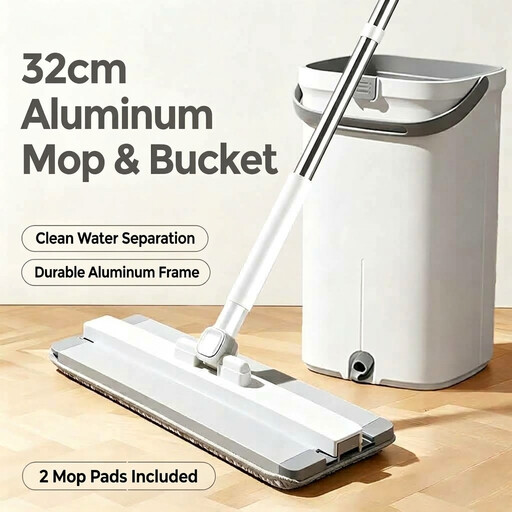
Why this choice suits this type of user : This kit is ideal for households looking for a simple manual method, with no battery or app required. According to the product description, its two-compartment bucket separates clean water from dirty water.
The integrated wringing system means you do not need to twist the mop by hand and helps you better control the amount of water left on the floor.
32 cm flat head, separation of clean and dirty water, and one-handed use, as stated on the product page.
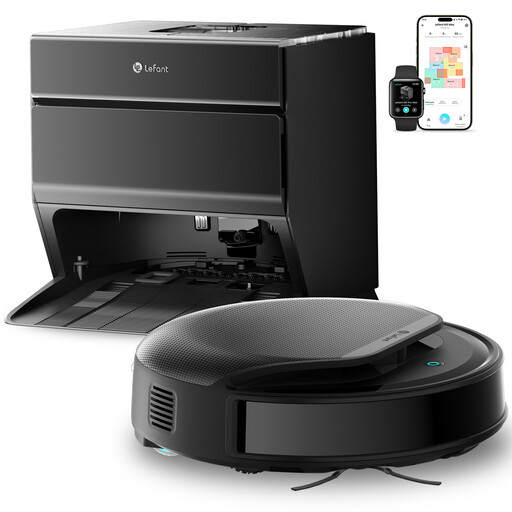
Why this choice suits this type of user : This robot is designed for users who want to automate routine maintenance of hard floors and carpets, particularly in homes with pets.
The product page states that the station offers automatic emptying for up to 60 days. This reduces the need for intervention, although the various components still need to be cleaned regularly.
Stated power of 18 000 Pa, stated battery life of 180 minutes and 2.4/5 GHz Wi-Fi connectivity.
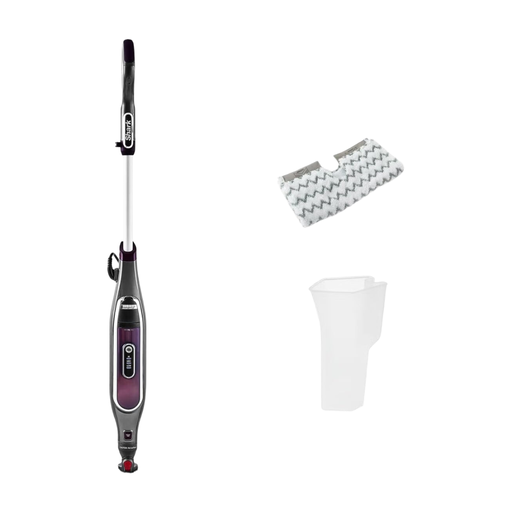
Why this choice suits this type of user : This steam mop may suit people who regularly clean sealed hard floors and want to reuse pads rather than rely on multiple disposable consumables.
The two washable pads and folding head minimise direct contact with the dirty pad during cleaning.
Stated power of 1 200 W, 6 m cable, 380 ml tank and two washable pads included.
The purchase price is only part of the budget. You also need to factor in refills, filters, pads and electricity. A robot generally requires certain accessories to be replaced periodically; a steam mop mainly requires its pads to be washed and dried. With a traditional mop, costs remain limited, but filling, rinsing and wringing take more time.
If you have pets, plan to clean the brush, bin and filters frequently. This will help maintain the appliance's performance and reduce the spread of hair during subsequent cleaning sessions.
We have put together a complete, real-time updated list of products that fully meet these strict selection criteria and European safety regulations.
Yes, but only if the flooring is sealed or explicitly compatible with the type of appliance being used. Avoid steam and excess water on unfinished wooden flooring. In all cases, consult the manufacturer's instructions and dry any damp areas promptly.
Remove it after every use, rinse off any visible dirt, then wash it according to the care instructions on the label. Allow it to air-dry completely before putting it away. Never place a damp pad in a closed compartment.
It makes everyday maintenance easier, but it cannot always replace manual cleaning for stubborn stains, corners and very cluttered areas. Depending on the layout of your home, combining a robot, floor wipes and a mop may prove more practical.