
Livraison le jour même ou le lendemain

Qualité garantie

Débloquez vos offres de bienvenue: Livraison GRATUITE | Jusqu'à -80 % | 30 jours d'essai gratuits à JoyPlus
Téléchargez l'application
With the growing number of options in the gourmet food market, choosing a quality fleur de sel can seem complex. The wide range of prices and origins raises valid questions: how can you ensure you're getting good value and make an informed choice?
As a Product Recommendation Officer at Joybuy, my role is to provide you with clear, practical guidance. This article is designed to help you understand what sets a true fleur de sel apart and identify the products that will elevate your dishes.
Before you buy a fleur de sel, it's helpful to know a few simple criteria for assessing its quality.
Fleur de sel is the thin layer of crystals that forms on the surface of salt marshes under the combined effect of wind and sun. It is harvested entirely by hand using a special rake called a lousse—a delicate, artisanal process. This traditional method preserves the fragile structure of the crystals. A clearly stated origin, such as fleur de sel from Ibiza, Guérande, or Camargue, is often a hallmark of quality and respect for these traditions.
Unlike industrial fine salt, fleur de sel is not completely dry. It retains a slight natural moisture, which gives it a unique texture that is both melt-in-your-mouth and crunchy. Its crystals are light, flaky, and irregular. This characteristic makes it an excellent finishing salt, perfect for sprinkling over a dish just before serving to add texture and a final flourish.
Fleur de sel can be offered in its purest form or as a flavoured salt. For flavoured versions, it's wise to check the ingredient list. Opt for products that use natural ingredients (dried herbs, spices, zests, dehydrated truffle) rather than artificial flavourings. A quality flavoured salt should enhance the fleur de sel, not overpower it.
Here are a few options that showcase the different types of fleur de sel available on the market.
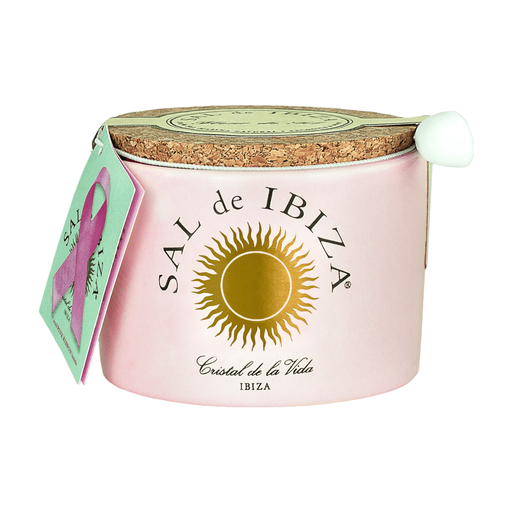
Why we recommend it: This special edition combines the renowned quality of fleur de sel from Ibiza with a floral and poetic touch. The ceramic jar is not only beautiful but also ensures the product is stored perfectly. It's an excellent example of a gourmet salt that is also a beautiful decorative object.
Pros:
Who is this product for?: Creative cooks, lovers of refined products, and anyone looking for an original and elegant gourmet gift.
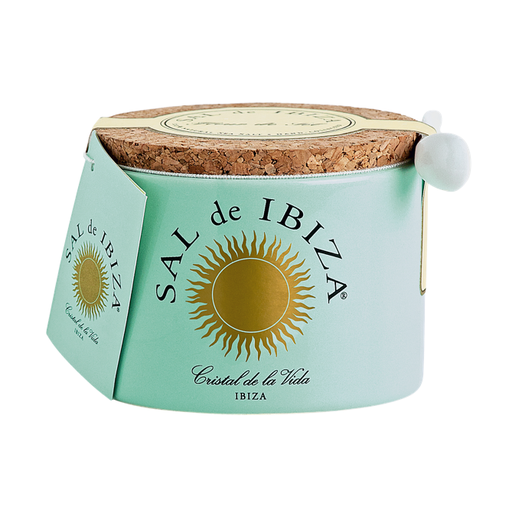
Why we recommend it: This is the quintessential fleur de sel. Pure and unadulterated, it allows you to fully appreciate the delicate flavour and crystalline texture of salt from Ibiza. Its iconic blue jar is a staple in the kitchens of connoisseurs.
Pros:
Who is this product for?: Purists, those new to the world of gourmet salt who want a reliable choice, and any cook looking for a versatile, everyday finishing salt.
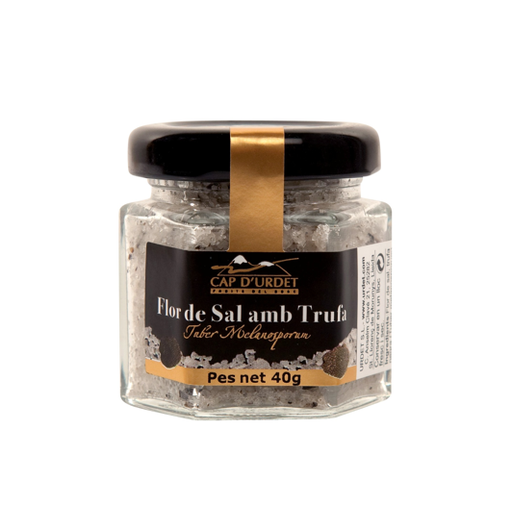
Why we recommend it: This truffle-infused fleur de sel is an excellent option for adding a touch of luxury to simple dishes. It uses dehydrated black truffle (Tuber melanosporum), giving it a powerful and distinctive aroma.
Pros:
Who is this product for?: Truffle lovers, gourmands who enjoy experimenting, and anyone looking to effortlessly elevate their dishes for special occasions.
Mastering flavours in the kitchen is all about subtle balance. While fleur de sel is an exceptional flavour enhancer, it truly shines when paired with other distinctive condiments. Pepper, for example, brings a warmth and aromatic complexity that perfectly complements the crystalline saltiness of fleur de sel.
For those looking to expand their collection of exceptional seasonings, exploring a selection of Pepper Spice can open up new culinary horizons and perfect the harmony of your dishes.
The main difference lies in the harvesting method and texture. Fleur de sel is manually skimmed from the surface of the water and consists of fine, delicate crystals. Classic sea salt (coarse or fine salt) is harvested from the bottom of the salt pan; its crystals are harder, larger, and more moist. Fleur de sel is used as a finishing salt, whereas coarse salt is better suited for cooking (e.g., in pasta water or for salt crusts).
Fleur de sel is a finishing salt. Its delicate texture does not hold up to long cooking times. It is therefore recommended to sprinkle it over dishes just before serving. It is perfect on grilled meat, fish, roasted vegetables, a salad, and even on a salted butter caramel or chocolate mousse for a surprising contrast.
It is not advisable to use fleur de sel to salt cooking water or in dishes with long cooking times. Its added value (crunchy texture and subtle flavour) would be lost, and it would be an unnecessary expense. For cooking, coarse sea salt is more suitable and cost-effective. Save the fleur de sel for the final plating.