
Livraison le jour même ou le lendemain

Qualité garantie

Débloquez vos offres de bienvenue: Livraison GRATUITE | Jusqu'à -80 % | 30 jours d'essai gratuits à JoyPlus
Téléchargez l'application
Flavoured water can be a handy choice at the office, in your gym bag, for a picnic or with a family meal. But packaging sometimes highlights a “fruity” taste, vitamins or a light feel without making the ingredients very clear. To avoid any surprises, compare the sugar content, pack size, level of carbonation and whether sweeteners are included.
“Sugar-free” doesn’t necessarily mean “sweetener-free”. Some recipes use acesulfame K, sucralose or steviol glycosides to keep the flavour sweet. If you’re looking for a drink with a more neutral taste, always check the ingredients list.
By contrast, a fruit juice-based drink can contain several grams of sugar per 100 ml, even if its packaging focuses on its mineral water image. So compare peach-flavoured water, raspberry or exotic fruit varieties by looking at the nutrition table, not just the name.
A pack of 24 50 cl bottles contains 12 litres, while a pack of six 33 cl cans contains 1.98 litres. The price per item may look appealing, but storage space, weight and how often you drink it all matter too.
For a student or a couple, a smaller pack takes up less space. For a family, an office or an event, a larger pack can save you from making repeated purchases. Always compare the price per litre, the number of containers and the space you have in your cupboards.
Vitamin water may contain vitamins and minerals, but that doesn’t automatically make it suitable for everyone’s needs. Check the nutrition information carefully, especially if the recipe contains sweeteners, acids or different flavourings.
Claims relating to fatigue or metabolism are regulated when they appear on the label. They’re no substitute for medical advice. For everyday drinking, taste, ingredients and pack size are the simplest things to compare.
For an everyday drink, start with the “of which sugars” line. Sugar-free flavoured water may contain 0 g of sugars and very few calories, while still including sweeteners. A fruity recipe made with concentrated juice will generally have a higher sugar content.
A few useful pointers:
Sparkling flavoured water offers a livelier feel thanks to the carbon dioxide. The bubbles can work well with an alcohol-free aperitif or as an occasional alternative to fizzy drinks, but cans and bottles should be stored properly to preserve the carbonation.
Recipes can vary widely: some combine sparkling mineral water with a natural flavouring, while others add juice, sugar or acidity regulators. Check the volume of each container too if you’ll be taking the drink with you.
A 50 cl bottle is ideal for one person and slips easily into a bag. A 75 cl bottle may be more suitable for a day at work. 33 cl cans are handy for serving several people, but they can rarely be resealed once opened.
After opening, follow the instructions on the packaging and keep the drink in the fridge if recommended. Concentrated drink syrup is worth checking carefully: the volume shown isn’t the same as the volume of the prepared drink, and the sugar content can be high.
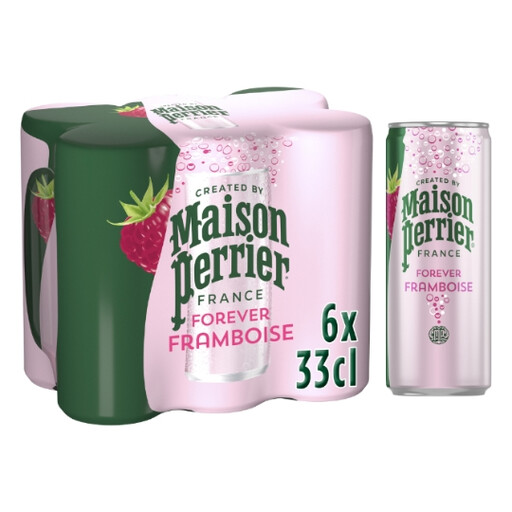
Why this suits this type of shopper : A pack of six 33 cl cans lets you try raspberry-flavoured sparkling water without immediately ending up with a large stock.
The product listing states 0 g of sugars, 0 kcal and no sweeteners. It’s made mainly with sparkling mineral water and natural raspberry flavouring.
Six 33 cl cans, totalling 1.98 litres, with a raspberry flavour and a stated French origin.
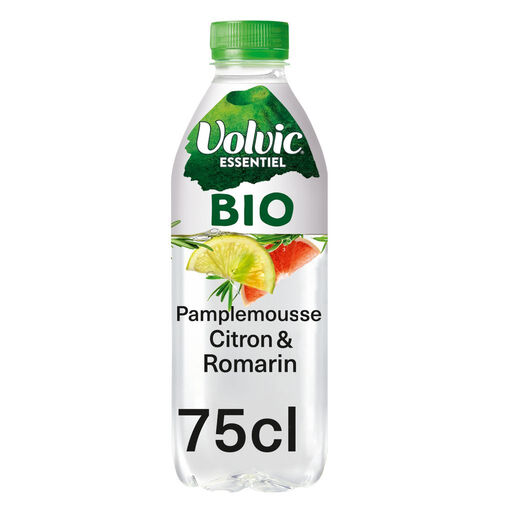
Why this suits this type of shopper : Its 75 cl size and blend of lemon, grapefruit and rosemary will appeal if you’re looking for a more sophisticated flavour.
The product listing details the ingredients and states that it contains 10 kcal and 2.36 g of sugars per 100 ml. This makes it clear that a flavoured recipe isn’t the same as water with no sugar content.
A 75 cl bottle, organic ingredients as stated in the product listing, and a blend of lemon, grapefruit and rosemary.
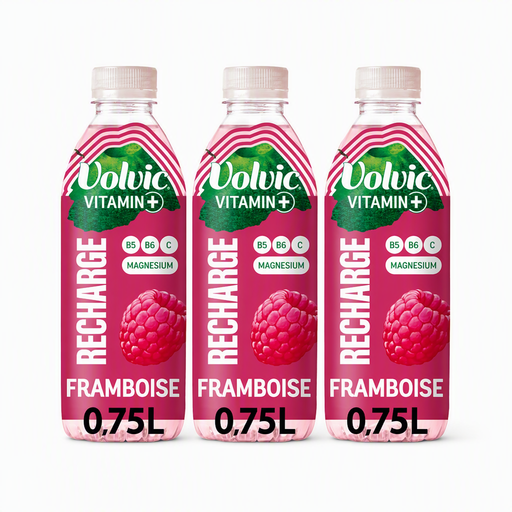
Why this suits this type of shopper : A pack of three 75 cl bottles is handy for stocking up at home or at the office, with the bottles to be enjoyed over several days.
The product listing states 0 g of sugars and 1 kcal per 100 ml, and details the sweeteners, vitamins and magnesium it contains.
Three 75 cl bottles of still water with a raspberry flavour, and vitamins C, B3, B5, B6, B7 and B9 listed in the ingredients.
We’ve put together a comprehensive, regularly updated list of products that meet these exacting selection criteria and comply with European safety regulations.
Compare the amount of sugars per 100 ml and the ingredients list. A recipe showing 0 g of sugars may contain sweeteners, while fruit juice-based water can contain more sugar despite its light image. The right choice depends on the flavour you’re looking for and your nutritional priorities.
It can be an alcohol-free alternative to fizzy drinks, but recipes vary. Some contain 0 kcal and no added sugar, while others include sugar or concentrated juice. Check the label before making it an everyday drink.
Follow the manufacturer’s instructions. As a general rule, an opened bottle should be kept in the fridge and used quickly, often within two to three days. Carbonated drinks also gradually lose their bubbles once opened.