
Livraison le jour même ou le lendemain

Qualité garantie

Débloquez vos offres de bienvenue: Livraison GRATUITE | Jusqu'à -80 % | 30 jours d'essai gratuits à JoyPlus
Téléchargez l'application
A flavoured syrup can transform a lemonade, coffee, cocktail or dessert in just a few seconds. However, not every product is designed for the same uses. A bottle intended for occasional consumption may not be suitable for a bar, tea room or bubble tea shop.
The flavour and colour of the label are not everything. Dosage, format, ingredients and storage conditions also deserve a closer look before you place your order. Here are the main criteria to consider when choosing a syrup that genuinely suits your habits.
Most syrups are designed to be diluted. Depending on the recipe and concentration, the manufacturer may recommend 1 part syrup to 5 to 12 parts liquid. A 70 cl bottle will therefore not necessarily make 70 cl of finished drink.
Before buying, check the preparation instructions shown on the product page. For example, Teisseire grenadine syrup recommends diluting one part syrup with twelve parts water, allowing you to prepare several glasses. By contrast, coffee or dessert syrup is generally added in small quantities directly to the preparation.
Vanilla and hazelnut syrups naturally work well in milk, coffee and hot drinks. Peach, lychee and blueberry flavours are better suited to lemonades, iced teas, cocktails and toppings.
More distinctive options, such as hibiscus, orgeat and pistachio, can also be versatile, provided they match your recipes. Orgeat adds a delicate almond note to drinks and pastries, while hibiscus is often used in refreshing drinks such as bissap.
Syrup generally contains a significant amount of carbohydrates and sugars, but values can vary considerably from one recipe to another. Take the time to check the nutritional table, ingredients list and any colourings or sweeteners.
After opening, some products must be stored in the refrigerator. The recommended period of use also varies between products. A bottle that is not properly closed or is exposed to heat or light may lose its flavour before the date shown on the packaging.
Start by defining your main use:
For professional use, it is better to choose a flavour that is easy to incorporate into several recipes, along with a generously sized format to avoid repeatedly running out of stock.
Bottles of 50 to 75 cl are well suited to private individuals and occasional use. With its 500 ml capacity, the Pueblo Siroop Orgeade bottle is easy to store in a cupboard and can be used for drinks, coffee, milkshakes or baking.
Formats of 1 litre or more are better suited to a café, bar, restaurant or catering business. The 2.5 kg JENI lychee syrup is particularly suitable for preparing drinks in larger quantities. To compare prices, calculate the cost per serving based on the recommended dosage rather than relying solely on the bottle price.
In particular, check:
The statement ‘free from common allergens’ does not replace carefully reading the label, especially in cases of severe allergy. For products containing nuts, such as hazelnut or pistachio syrups, always check the information on the packaging.
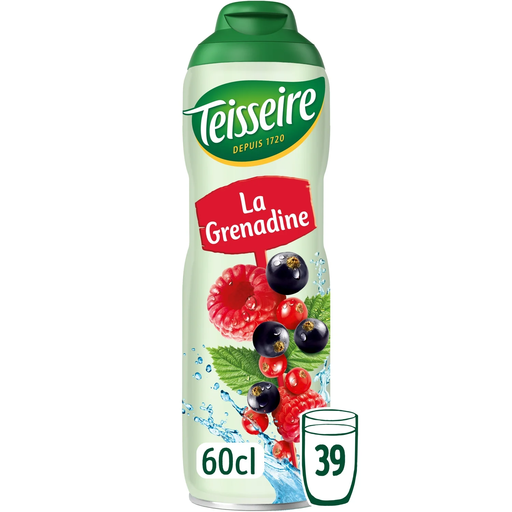
Why this choice suits this profile : Its 600 ml format is ideal for homemade drinks, afternoon treats and your first alcohol-free cocktails. The product page recommends diluting one part syrup with twelve parts water.
The stated dosage helps you estimate how many glasses you can prepare and prevents you from using too much syrup.
The product page mentions 13% fruit juice made from concentrates and does not indicate the presence of preservatives.
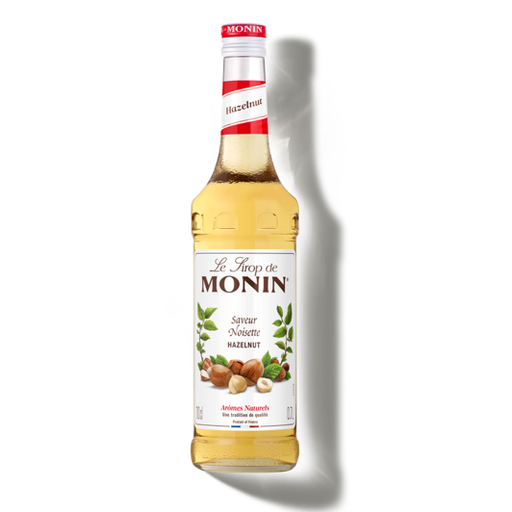
Why this choice suits this profile : Hazelnut flavour works well in lattes, cappuccinos, hot chocolates, milkshakes and desserts. One bottle allows you to create a wide range of recipes.
The product page specifies the storage conditions and recommends using it within the weeks following opening to preserve its flavour.
700 ml glass bottle, with natural hazelnut flavour stated and French production noted.
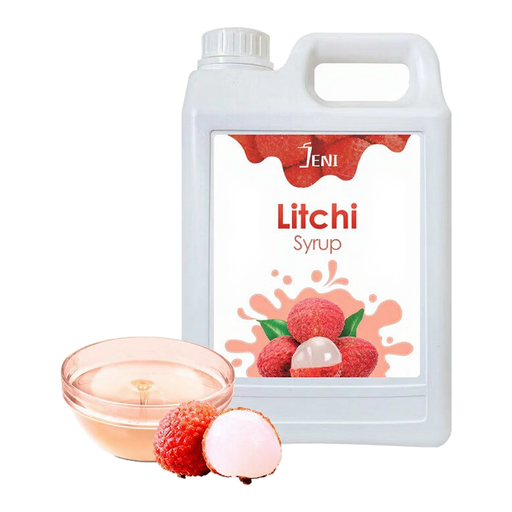
Why this choice suits this profile : Its large format is designed for bars, restaurants, bubble tea shops and catering services that regularly prepare fruit-based drinks.
The 2.5 kg quantity reduces the need for frequent replacements, provided you have sufficient demand and suitable storage space.
The product page mentions lychee juice concentrate, use in both cold and hot drinks, and a formulation suitable for vegetarians and vegans.
We have put together a complete, real-time updated list of products that meet these strict selection criteria and European safety regulations.
For consistent results, measure the syrup using a pump, spoon or small measuring glass. Add it gradually, especially to coffee, milk and cocktails that are already sweetened. Remember to shake fruit syrups or thickened varieties before use.
Keep bottles closed in a clean, dry place away from heat. After opening, follow the instructions provided by each brand. A one-litre professional syrup, such as some Teisseire, Monin or Giffard products, should be used at a rate suited to your business. A large format is only worthwhile if you have enough time to finish it before its flavour quality declines.
Vanilla, caramel, hazelnut, pistachio and crème brûlée flavours work particularly well with coffee and milk-based drinks. The 700 ml Monin Crème Brûlée syrup and one-litre Teisseire Caramel syrup are presented for use in coffee, hot drinks, milkshakes and desserts. Start with a small amount so you can control the sweetness.
It depends on the product and the manufacturer’s recommendations. Some syrups must be refrigerated after opening, while others can be stored in a cool, dry place. Close the bottle carefully, use clean equipment and follow the period stated on the label.
For daily use, a format of 1 litre to 2.5 kg can reduce the need to change bottles. If sales are low or the flavour is used infrequently, a 50 to 75 cl bottle lowers the risk of stock sitting unused. Before ordering, compare the price per serving, the amount required and the space available.