
Livraison le jour même ou le lendemain

Qualité garantie

Débloquez vos offres de bienvenue: Livraison GRATUITE | Jusqu'à -80 % | 30 jours d'essai gratuits à JoyPlus
Téléchargez l'application
Flavoured soju has taken the social scene by storm, establishing itself as THE essential Korean drink thanks to its smooth taste and fun, shareable nature. But with a booming market, it's easy to fall into common traps that can ruin the experience. From artificial flavours to questionable sugar levels, finding the right bottle requires a discerning eye. As the head of product selection at Joybuy, my mission is to guide you so that your next online soju purchase is a complete success.
Before you place an order, watch out for two classic mistakes that often disappoint newcomers.
To ensure you make the right choice, here are the key points to check on the label. They will help you make an informed decision.
Traditional, or "original," soju typically has an alcohol content between 16% and 20%. Flavoured versions, however, are intentionally lighter.
Checking the ABV allows you to anticipate the drink's profile: smoother and fruitier around 12%, and more assertive above that.
The choice of flavour is, of course, a matter of personal taste, but some are reliable classics and excellent entry points for beginners.
grape soju), and apple (apple soju) are ideal flavours to start with. Their familiar sweetness is often very well-balanced.The key is to check the label for mentions of "natural flavours" or "fruit juice," as this is often a mark of quality.
To help you choose, here are a few recommendations tailored to every taste and occasion.
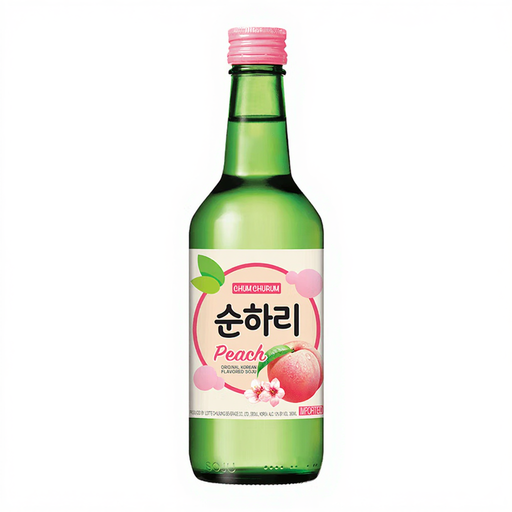
Why we recommend it: This is the quintessential safe bet. Peach soju is one of the most popular flavours, both in Korea and abroad. It's an easy-to-share drink that will please almost everyone, whether for pre-dinner drinks or to accompany a Korean barbecue.
Chum Churum is renowned for its balance. The peach flavour is present and refreshing, without falling into the syrupy, cloying territory of some lower-end brands.
12% ABV for exceptional smoothness. A crowd-pleasing and versatile flavour, perfect for drinking neat or in cocktails.
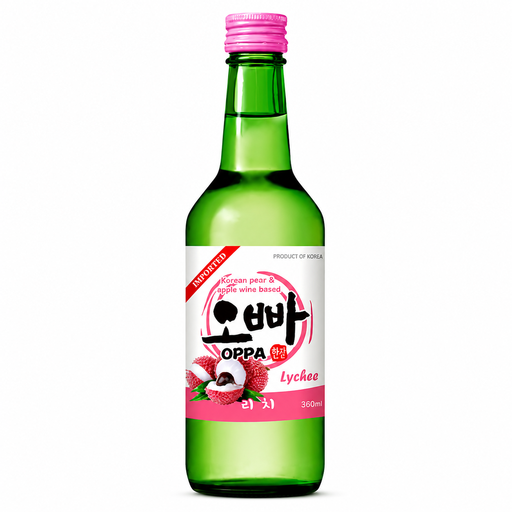
Why we recommend it: For those who are already familiar with the classics and want to surprise their taste buds (and their friends'). Lychee brings a floral and exotic note that is incredibly refreshing, perfect for summer evenings or for a cocktail that stands out from the crowd.
The lychee flavour is well-defined and avoids any "chemical" aftertaste. The OPPA brand delivers a taste that remains natural and is particularly pleasant on the palate.
Original and floral taste that stands out. Perfect for creative cocktails or to pair with spicy Asian dishes.
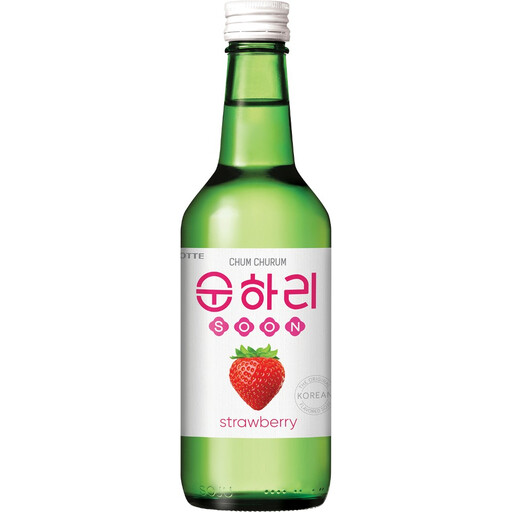
Why we recommend it: The perfect choice for a first tasting. Strawberry is a universal flavour, and its sweetness makes this drink highly approachable, almost like an alcoholic fruit juice. Ideal for a casual evening with friends.
Although very sweet, the strawberry taste remains clean and is never cloying. It avoids the "candy-like" flavour trap by offering a bright and fruity taste.
Very easy to drink and not intimidating for novices. Excellent when served very cold, or even on the rocks.
We have selected a full range of products that tick all the boxes in our guide.
1. How do you drink flavoured soju? The most common way is to serve it very cold, straight into small shot glasses, and sip it. It can also be mixed with beer (a popular practice in Korea known as somaek), tonic water, lemonade, or used as an alcohol base in fruity cocktails.
2. How long does an open bottle of soju last? Once opened, it's best to consume it quickly to preserve the freshness of the flavours. You can store it in the refrigerator, tightly sealed, for a few days up to a week. The alcohol won't spoil, but the fruit aromas will quickly lose their intensity.
3. What is the difference between soju and sake? This is a very common point of confusion. Soju is a distilled spirit from Korea, traditionally made from rice but now often produced from sweet potatoes or tapioca. Sake, on the other hand, is a brewed rice wine (fermented, not distilled) from Japan. Their taste profiles and production methods are therefore very different.
Alcohol abuse is dangerous for your health. Please drink responsibly. The consumption of alcoholic beverages during pregnancy, even in small quantities, can have serious consequences for the child's health.