
Livraison le jour même ou le lendemain

Qualité garantie

Débloquez vos offres de bienvenue: Livraison GRATUITE | Jusqu'à -80 % | 30 jours d'essai gratuits à JoyPlus
Téléchargez l'application
Korean soju has evolved far beyond its neutral, high-strength heritage into a vibrant category filled with expressive fruit infusions and creamy cocktail blends. For shoppers browsing options in France, understanding the label details is essential. Traditional clear soju typically sits between 16 and 25 percent alcohol by volume, offering a crisp, dry profile reminiscent of low-proof vodka. Modern flavoured variations, by contrast, standardise around 12 percent alcohol by volume, creating a gentler, more accessible palate suited to relaxed apéritifs and casual social dining.
Choosing the ideal bottle comes down to balancing sweetness, acidity, and serving preferences. While single-fruit infusions deliver straightforward brightness, multi-fruit or yogurt-infused recipes introduce complex, velvety textures designed for easy sipping straight from the fridge or pairing with savoury dishes. This guide outlines the key structural differences across popular bottled sojus, flags common buying oversights, and matches distinctive flavour recipes to your entertaining needs.
A frequent misstep is expecting flavoured soju to mimic the dry, fiery character of classic neutral soju. Traditional bottles are clear spirits meant to cut through rich grilled pork belly with minimal residual sugar. Modern fruit or yogurt sojus, usually resting around 12 percent volume, contain fruit juices, ciders, or sweet flavourings. Selecting a sweet expression when planning a traditional high-proof dining session will lead to an overly sugary mismatch.
Flavoured soju already carries a modest 12 percent alcohol level, making it significantly lighter than conventional gin, rum, or vodka. When building cocktails, pouring excessive amounts of tonic, sparkling water, or fruit juice quickly washes out the spirit base entirely, leaving a weak, diluted drink. To preserve both flavour integrity and body, use chilled soju neat over ice or incorporate gentle sparkling mixers in measured, modest proportions.
Flavoured sojus rely on crisp temperature to mask sweetness and keep fruit aromas bright. Drinking these bottles at room temperature causes the alcohol vapour and sweet components to feel cloying on the tongue. Furthermore, because flavoured varieties incorporate natural juices, ciders, and flavour extracts, opened bottles left at room temperature lose their aromatic vibrancy far quicker than high-proof spirits and should always be resealed and refrigerated.
Evaluating alcohol content ensures your bottle aligns with the intended drinking occasion, whether you prefer an easy-drinking refresher or a stronger mealtime spirit.
The balance between fruit juices, natural flavourings, and fermented bases dictates how the drink feels on the palate and pairs with food.
Standard bottle sizes influence both freshness and how you structure your drinks across an evening.
These three distinct South Korean bottled expressions cater to different flavour preferences and social occasions.
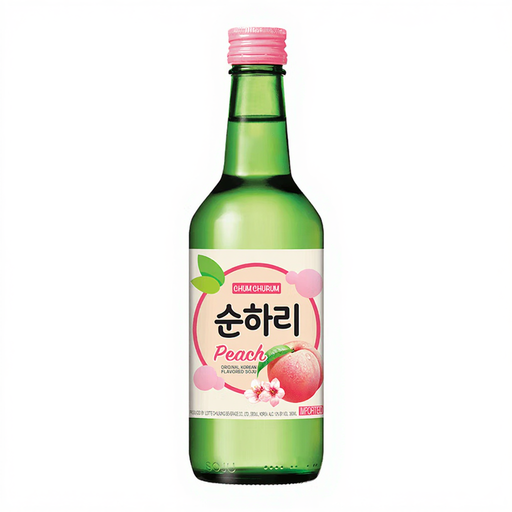
Why This Fits Their Persona: Shoppers seeking an approachable, naturally sweet spirit will appreciate this classic expression from ChumChurum. Formulated with real peach juice and natural peach flavouring at an accessible 12 percent alcohol by volume, it offers an authentic stone-fruit aroma that softens any alcohol presence. The 350 ml bottle provides a manageable format that pours smoothly for relaxed evening gatherings.
This bottle avoids the harsh, astringent bite common to neutral spirits, ensuring new soju drinkers are not overwhelmed by sharp ethanol flavours.
Real peach juice provides genuine fruit sweetness, making it pleasant to sip entirely on its own when thoroughly chilled.
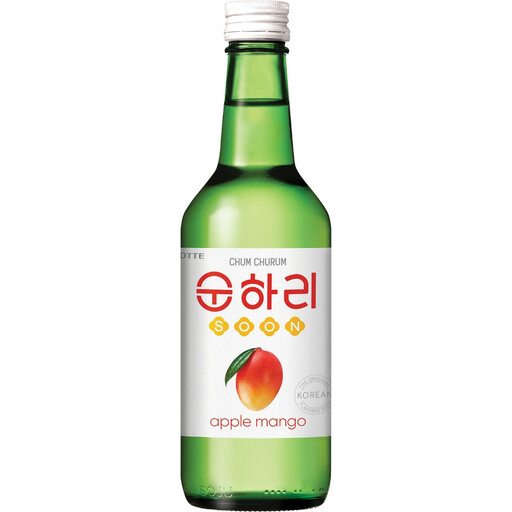
Why This Fits Their Persona: For drinkers who find single-note fruit spirits one-dimensional, this South Korean apple-mango blend presents a harmonious tropical alternative. The recipe balances crisp apple acidity with round, mellow mango sweetness at 12 percent alcohol by volume in a standard 350 ml bottle. It is ready to pour straight from the fridge, providing an engaging profile that pairs effortlessly with savoury appetisers.
By pairing crisp orchard notes with tropical sweetness, it avoids the heavy, cloying aftertaste that can plague purely sugary fruit liquors.
Dual-fruit layering delivers a vibrant sweet-and-sour profile that maintains aromatic interest throughout the entire bottle.
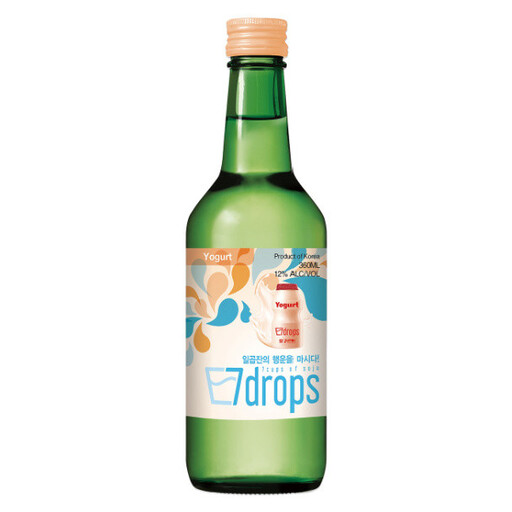
Why This Fits Their Persona: Those who enjoy creamy Asian bar classics like the cultured milk soju cocktail will find this ready-blended bottle exceptionally convenient. Containing 25 percent pear cider alongside a 0.3 percent yogurt aroma, this 360 ml bottle from 7DROPS achieves a delicate balance of lactic creaminess and orchard fruit tang at 12 percent alcohol. It offers a smooth, pillowy mouthfeel that stands apart from standard fruit-flavoured varieties.
It removes the guesswork and mess of manually blending dairy beverages with spirits at home, eliminating the risk of curdling or unbalanced ratios.
A generous 25 percent pear cider base lends effervescent fruit depth that perfectly elevates the smooth yogurt character.
If you are looking for classic unflavoured soju at traditional strengths or wish to browse a wider assortment of Asian rice spirits and fruit liqueurs, explore our broader catalogue.
Most flavoured bottled sojus feature an alcohol content of approximately 12 percent by volume. This is notably lower than traditional neutral soju, which generally ranges between 16 and 25 percent. The reduced alcohol level allows sweet fruit juices and creamy flavourings to remain front and centre, resulting in a gentle, refreshing drink.
Bottled soju is best served thoroughly chilled between 4 and 8 degrees Celsius, as cold temperatures highlight crisp fruit aromas and tone down sweetness. Once opened, recap the bottle tightly and store it in the refrigerator. Because flavoured varieties contain fruit extracts and ciders, consuming the bottle within a few days preserves optimal flavour freshness.
Sweet and tangy sojus pair exceptionally well with salty, spicy, and deeply savoury dishes. Korean fried chicken, spicy rice cakes, and seasoned barbecued pork provide a robust counterpoint to the gentle sweetness of peach or apple-mango soju. Creamy yogurt soju also complements fiery street foods by offering a soothing, lactic contrast to chilli heat.