
Livraison le jour même ou le lendemain

Qualité garantie

Débloquez vos offres de bienvenue: Livraison GRATUITE | Jusqu'à -80 % | 30 jours d'essai gratuits à JoyPlus
Téléchargez l'application
Buying fizzy and carbonated drinks seems simple… until you start comparing sugars, sweeteners, formats and the price per litre. Between fruity fizzy drinks, sparkling water, sparkling mineral water and sugar-free drinks, the differences can influence your choice, whether you are pairing a drink with a meal, preparing an aperitif or quenching your thirst every day.
The most common pitfall is relying solely on the packaging or marketing claims. Here are the criteria to review before putting together a stock that suits your household.
Flavoured sparkling water may contain little or no sugar at all. Fruit-flavoured fizzy drinks often use a recipe based on sugar, concentrated juice or syrup. Simply saying “fruit flavour” is therefore not enough to tell you what the product contains.
Start by checking the “of which sugars” line in the nutritional information. To compare two products properly, look at the values per 100 ml, then work out what they actually represent for a whole bottle or can.
A sugar-free fizzy drink may contain sucralose, acesulfame-K or other sweeteners. These ingredients affect the taste and may not be suitable for people who want to avoid any sweetener flavour.
The ingredients list should therefore be checked alongside the energy value. Some drinks display 0 kcal and 0 g of sugars, while still stating that they contain a sweetener.
A pack of 24 x 330 ml cans contains almost 8 litres of drink. This format is handy for a party or a large family, but takes up more space and is heavier to transport than a smaller pack.
Before ordering, check:
For a classic fruit-flavoured fizzy drink, compare the amount of sugar per can. S.O.O.F.T.Y Strawberry, for example, contains approximately 23 g of sugars and 92 kcal per 330 ml can, despite being free from aspartame. Its recipe does, however, contain acesulfame-K and sucralose – an important detail to bear in mind.
By contrast, a flavoured sparkling water such as the QDOL Pokémon grape fizzy drink displays 0 g of sugars and 0 kcal per 100 ml, while still containing sucralose. The right choice therefore depends on your priority: recreating a traditional sweet taste, reducing your sugar intake or avoiding sweeteners.
Sparkling mineral water is characterised by a stable mineral composition, which must appear on the label. La Salvetat has a particularly low sodium content of 0,005 g/l, while S.PELLEGRINO lists several minerals, including calcium and magnesium.
These waters are not interchangeable with ordinary carbonated water. To make your choice, look at:
These details describe the composition of the products and do not constitute medical advice.
250 to 330 ml cans are well suited to individual servings, lunches and aperitifs. Bottles from 1 l to 1,15 l are easier to place on the table, but should generally be kept in the refrigerator after opening, in line with the manufacturer’s instructions.
For an event, packs of 12 or 24 units make serving easier. For occasional consumption, however, a smaller pack helps you avoid being left with a flavour that nobody in the family enjoys.
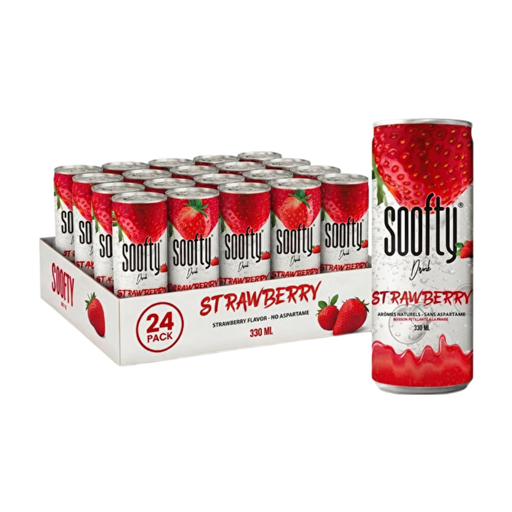
Why this choice suits this profile: With 24 cans, this pack is a convenient way to discover a popular strawberry flavour, whether with meals, at a picnic or during a family get-together.
The volume of each can and the nutritional values per serving are clearly stated. The recipe is advertised as aspartame-free, while the presence of other sweeteners is clearly shown in the ingredients list.
24 x 330 ml cans, advertised natural strawberry flavour and origin in France stated in the product details.
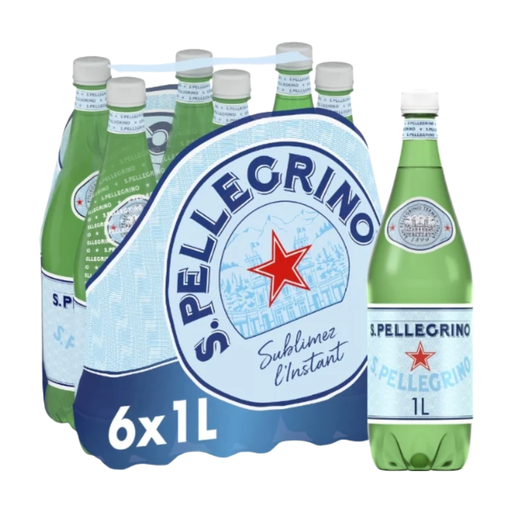
Why this choice suits this profile: The one-litre bottles are ideal for a meal served at the table, while the detailed mineral composition lets you make your choice based on clear information.
This is sparkling mineral water with no sugar or calories, rather than a fruit-flavoured fizzy drink presented as flavoured water.
Pack of 6 bottles, total volume of 6 l and mineral profile displayed in the product details.
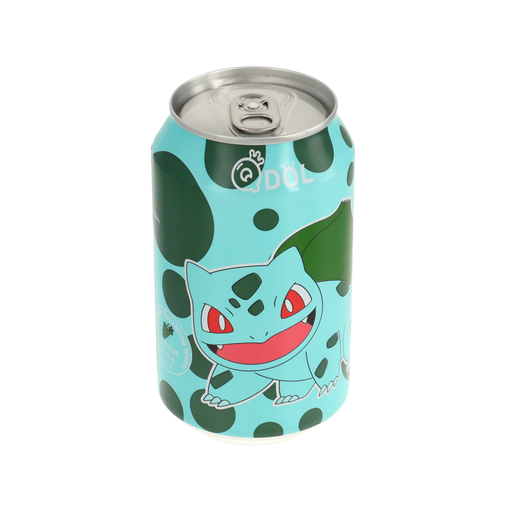
Why this choice suits this profile: This individual can is ideal for anyone looking for a sugar-free, calorie-free drink in a format that is easy to keep chilled.
The product details state 0 g of sugar and 0 kcal, while also highlighting the presence of sucralose. This means you do not have to rely solely on the sugar-free claim.
330 ml format, grape flavour and an advertised energy value of 0 kcal per 100 ml.
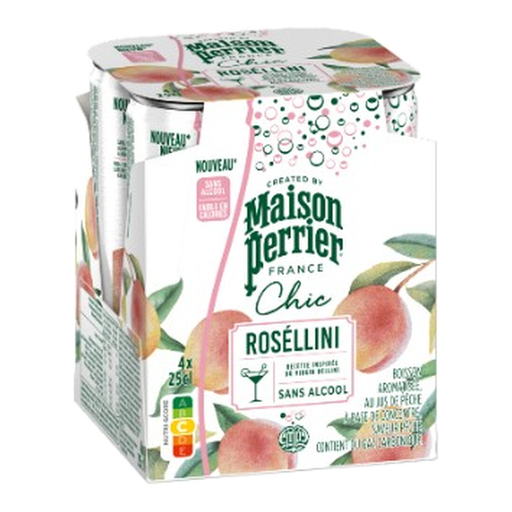
Why this choice suits this profile: Its compact format and peach and red berry notes are perfect for an aperitif or celebration where everyone wants to enjoy an alcohol-free drink.
The product details state 11 kcal and 2,3 g of sugars per 100 ml. It should therefore not be mistaken for a sugar-free drink.
4 x 250 ml cans, 5,5 % peach juice from concentrate and an advertised alcohol-free recipe.
We have put together a complete, real-time updated selection of products that meet these strict criteria and European regulatory safety requirements.
A fruit-flavoured fizzy drink generally contains sugar or sweeteners, as well as flavourings and sometimes fruit juice. Flavoured sparkling water may have a simpler composition and contain no sugar. To be certain, only the ingredients list provides the definitive answer.
Follow the manufacturer’s instructions. Cans should generally be drunk immediately after opening. For bottles, it is often recommended that they be kept in the refrigerator and consumed within two to three days. Chilling also helps preserve the bubbles and refreshing sensation.
It can lower the price per unit, but always compare the price per litre, total volume and any additional charges. A large pack loses its value if the household dislikes the flavour or if the drinks reach their best-before date before they can be consumed.